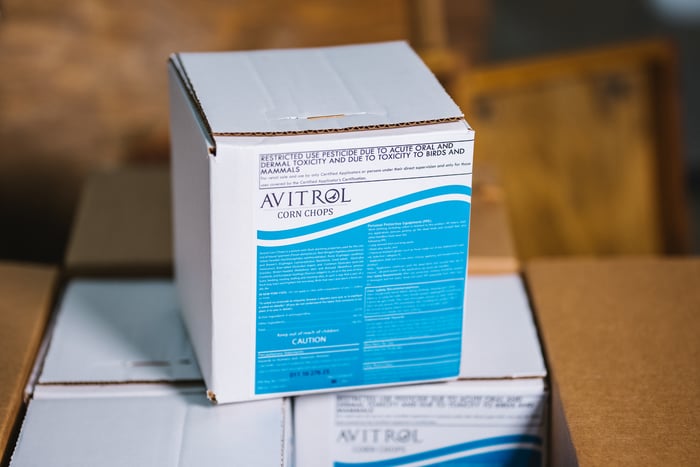
011- Avitrol Medium Corn Chops EPA REG 11649-6 - QUOTE
Looking to repel pest birds? Look no further than Avitrol's Active Corn Chops. Corn ground to a medium gives the taste of corn but little enough for smaller species such as sparrows ingest.
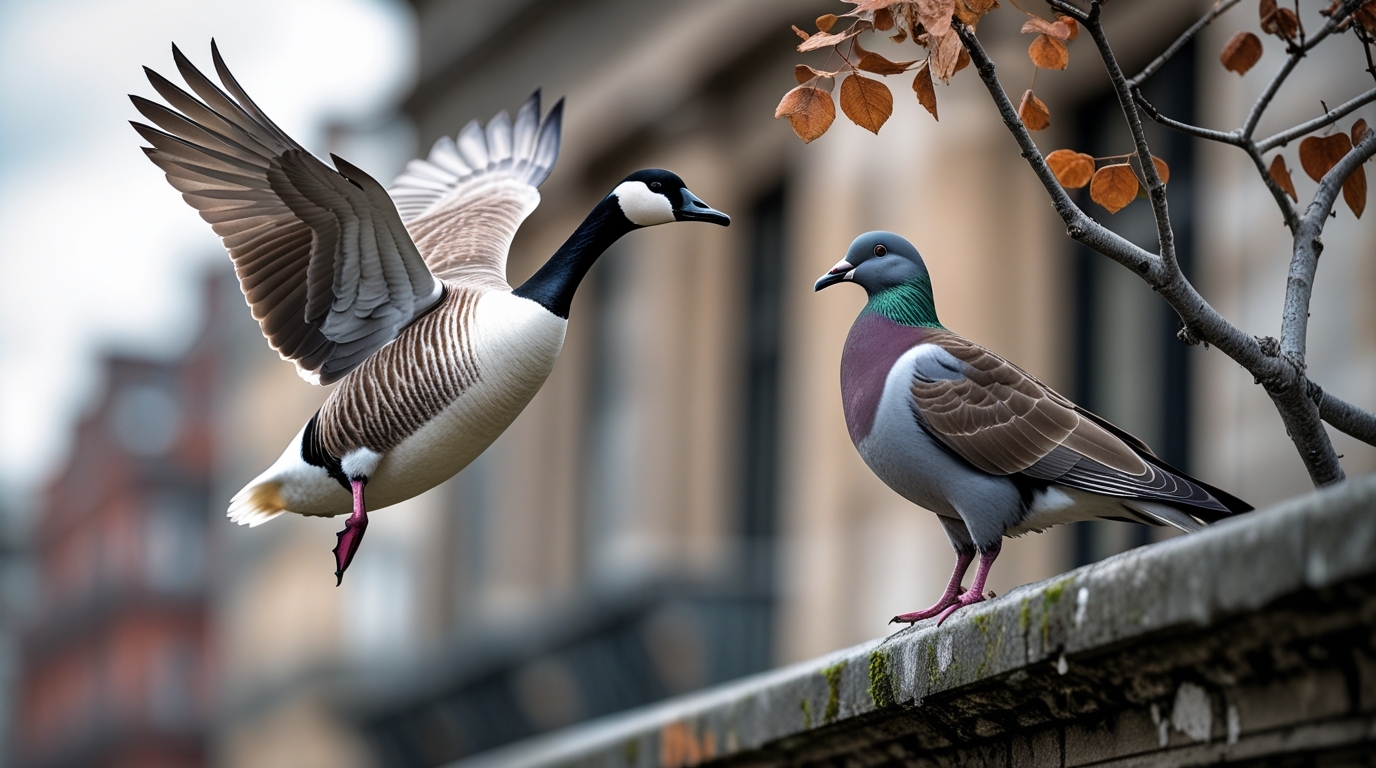

Facility managers face enough operational challenges without adding bird problems to the list. Birds can cause property damage, contaminate food and equipment, and create unsafe or unsanitary working conditions.
While birds are a natural part of the environment, certain species pose consistent risks to commercial, industrial, and retail properties. Here are nine birds you don’t want near your facility, and why they’re such a problem.
Pigeons are the most common pest bird in commercial environments. They roost on ledges, beams, signs, and HVAC units, leaving behind large amounts of corrosive droppings that eat away at paint, metal, and concrete. Beyond property damage, pigeon droppings can spread harmful pathogens like Salmonella and Histoplasmosis, and their nesting materials clog gutters and drains, leading to water damage.
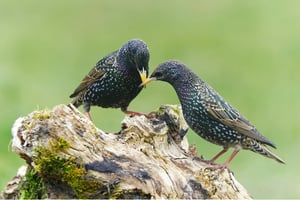
European Starlings are highly invasive and form enormous flocks that overwhelm facilities. Their droppings stain buildings, vehicles, and walkways, while their nests block ventilation systems and eaves. Inside industrial areas, starlings can contaminate stored products, loading docks, and food preparation areas, posing serious sanitation issues for compliance-focused industries.
House Sparrows are small, but their impact is significant. They often nest in light fixtures, signage, or warehouse gaps, where their nesting debris becomes a fire hazard. These birds thrive in human environments and are known for contaminating food products, damaging insulation, and creating persistent noise issues in both office and industrial settings.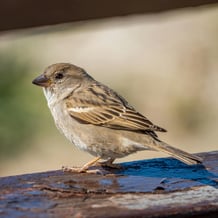
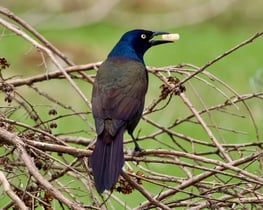
Grackles are loud, aggressive, and travel in large flocks. Around facilities, they congregate in parking lots, courtyards, and loading areas, leaving behind droppings and debris that are both unsightly and unsanitary. Their flocking behavior can also attract additional pest species, increasing maintenance and cleanup demands.
Facilities with retention ponds or open lawns are frequent targets for Canada Geese. These birds are highly territorial and can become aggressive toward employees or visitors
during nesting season. Their droppings create slip hazards and contaminate turf, walkways, and water features, adding to maintenance costs and potential liability concerns.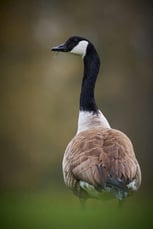
Looking to repel pest birds? Look no further than Avitrol's Active Corn Chops. Corn ground to a medium gives the taste of corn but little enough for smaller species such as sparrows ingest.
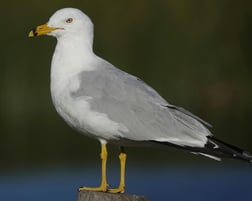
Gulls are increasingly common around inland commercial zones, not just coastal regions. They scavenge around dumpsters, rooftops, and parking lots, spreading trash and bacteria as they feed. Their droppings corrode building materials and rooftop systems, while nesting on flat roofs can lead to water pooling and long-term structural issues.
Although not typically considered pests, Blue Jays can become a problem in certain commercial environments. They are highly territorial, noisy, and aggressive toward smaller birds. Around facilities with outdoor dining or employee break areas, they can create unwanted disturbances and compete with native species for nesting spaces.
.jpg?width=228&height=168&name=Blue_Jay_(185317371).jpg)
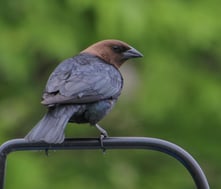
Cowbirds are brood parasites, laying their eggs in other birds’ nests. In open-field facilities or properties near rural zones, they can disrupt local bird populations and invite secondary pest activity. While they may seem harmless at first glance, their presence can signal an ecological imbalance around a property.
Cooper’s Hawks are skilled predators that hunt smaller birds. Their presence around a facility often indicates an abundance of prey species - usually pigeons, sparrows, or starlings. While not pests themselves, they can leave behind feathers, droppings, and carcasses that present cleanup and sanitation challenges near entrances, docks, and rooflines..jpg?width=173&height=239&name=Coopers_hawk_in_Prospect_Park_(22513).jpg)
Bird activity near or on a facility isn’t just an eyesore - it’s a maintenance, safety, and compliance issue. From roof damage to contamination risks, certain species create recurring operational challenges that cost time and money.
Knowing which birds pose the greatest threat helps facility managers stay proactive, maintain compliance, and protect their property - and reputation - from costly bird-related problems.
Fill out the form below, and we'll create a tailored bird control strategy just for you—at no cost! Don’t wait; take control of your property now!