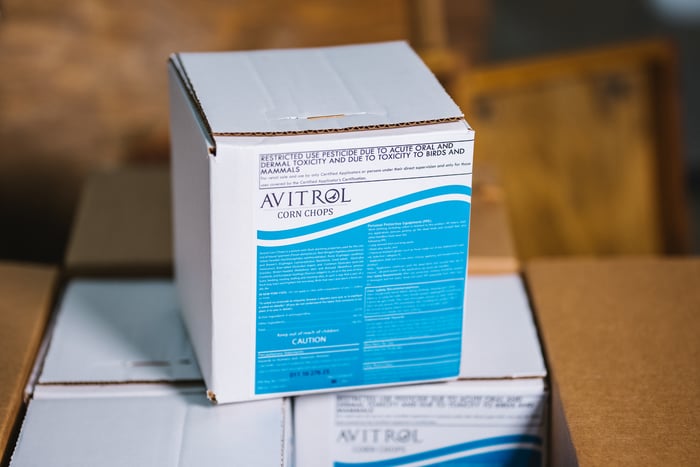
011- Avitrol Medium Corn Chops EPA REG 11649-6 - QUOTE
Looking to repel pest birds? Look no further than Avitrol's Active Corn Chops. Corn ground to a medium gives the taste of corn but little enough for smaller species such as sparrows ingest.
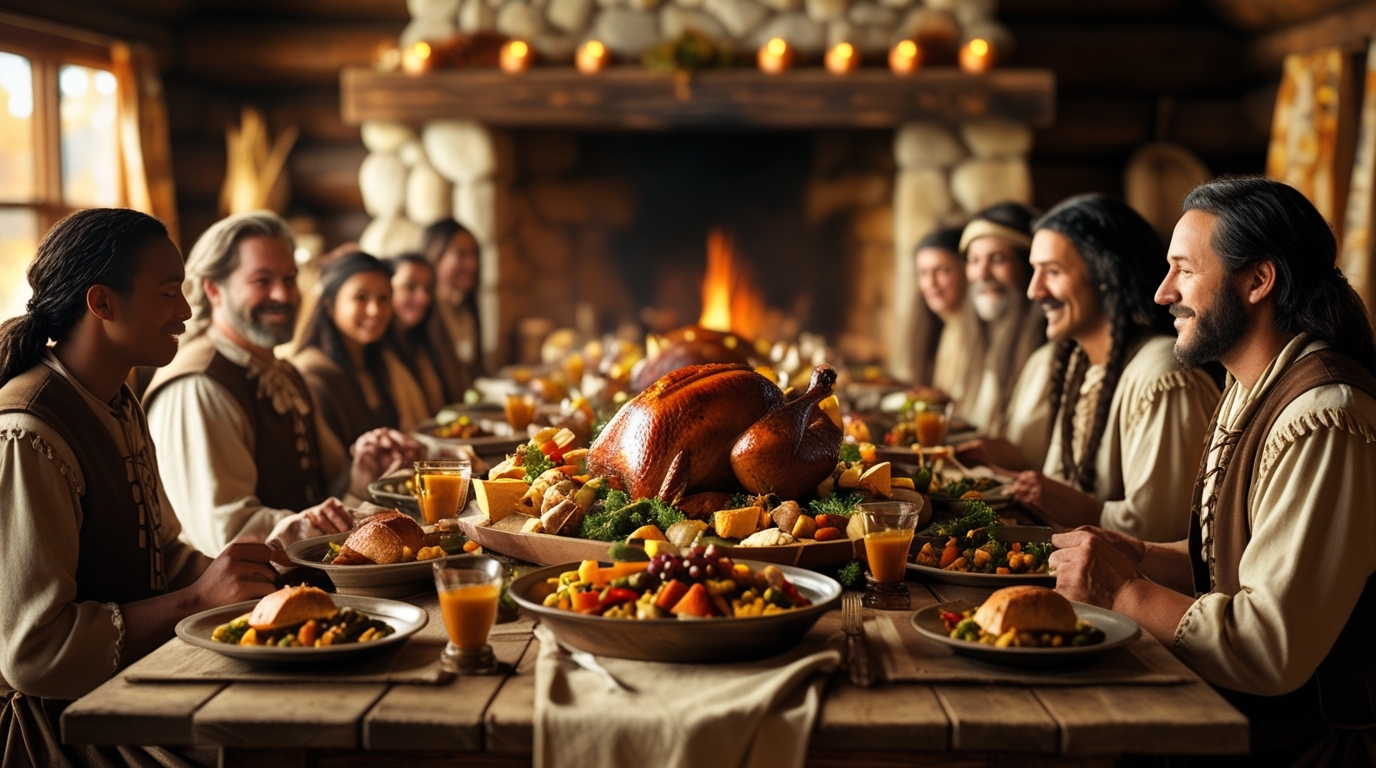

Turkey may dominate the modern Thanksgiving table, but it hasn’t always been that way. In fact, when the Pilgrims and early colonists celebrated harvest feasts, turkey wasn’t even the default choice.
Instead, a mix of wild birds-practical, flavorful, and available locally-took center stage. These choices were shaped by geography, hunting habits, cultural traditions, and simple availability.
Let’s take a deeper look at the birds that came before turkey claimed the Thanksgiving spotlight.
In early American households-especially those influenced by English traditions-goose was one of the most common birds served for holiday feasts, including the earliest versions of Thanksgiving.
Rooted in English custom: For centuries, goose had been the signature bird of fall and winter feasts in Europe, especially around Michaelmas and Christmas. Colonists simply continued the tradition in the New World.
Large enough to feed families: A roasted goose could serve several people, making it practical for communal meals.
Rich, fatty meat: Goose meat has a deep, savory flavor and a high fat content-perfect for roasting over an open hearth.
Locally abundant: Wild geese were plentiful in the 17th and 18th centuries, especially in coastal and marsh regions where colonists settled.
Roasted goose would often be stuffed with onions, herbs, or dried fruit and served with root vegetables. The rendered goose fat was considered valuable as well, used in cooking long after the feast ended.
Duck was another readily available bird that appeared frequently on early Thanksgiving tables.
Abundant in New England wetlands: Colonists settling in marshy regions of Massachusetts and along rivers found ducks easy to hunt.
Smaller but flavorful: Ducks provided rich, dark meat and a slightly gamey flavor that made them ideal for roasting or stewing.
Quick cooking: Ducks cooked faster than larger birds, ideal for households without ovens or with limited fuel.
Adaptable in colonial cooking: Ducks were often prepared with simple ingredients-salt, herbs, broth, apples, or root vegetables.
Unlike goose, which felt more like a celebratory dish, ducks were practical and common. This made them a natural fit for early harvest feasts before turkey became traditional.
Looking to repel pest birds? Look no further than Avitrol's Active Corn Chops. Corn ground to a medium gives the taste of corn but little enough for smaller species such as sparrows ingest.
Though not common for everyday colonists, swan was occasionally served at more affluent harvest celebrations.
Symbol of status: In Europe, roasted swan had long been associated with feasts of the nobility. Wealthier colonists carried this tradition to America.
Large and impressive: Swans were bigger than geese and could feed many people.
Difficult to obtain: Because swans were harder to hunt and less abundant, they were reserved for special occasions or high-status tables.
Historical accounts describe swans being roasted whole, often with decorative flourishes. While rare, their presence highlights how early American feasts varied widely depending on social class and resources.
By the 1800s, turkey had become the centerpiece of American Thanksgiving-but this shift didn’t happen overnight. A few key reasons explain the transition:
Wild turkeys roamed forests in large numbers, making them a reliable source of meat.
A single turkey could feed a crowd more efficiently than duck or goose.
As America became more agrarian, turkeys were simple to farm, which made them affordable and accessible.
Writers like Sarah Josepha Hale (the “Mother of Thanksgiving”) promoted turkey as the ideal holiday bird in magazines and cookbooks.
Norman Rockwell’s iconic paintings later cemented the image for generations.
By the early 20th century, turkey wasn’t just a meal-it was the tradition.
Fill out the form below, and we'll create a tailored bird control strategy just for you—at no cost! Don’t wait; take control of your property now!