
Poultry Farms
Bird Flu
Avian Influenza

Another case of highly pathogenic avian influenza (HPAI) has been confirmed in northern Indiana, underscoring the growing urgency for poultry producers and agricultural operations to act decisively.
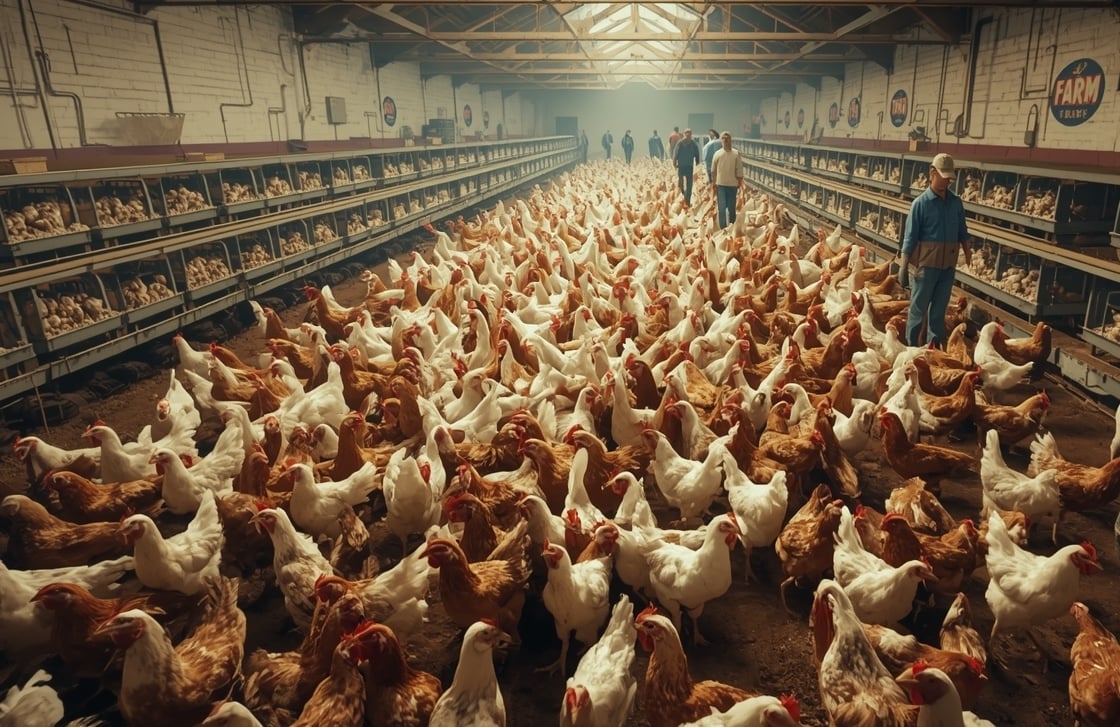
The Indiana State Board of Animal Health reported that a commercial table egg pullet facility in LaGrange County tested positive for the virus on Tuesday, Dec. 30. The affected operation houses more than 19,000 birds. In accordance with state and federal protocols, the facility was immediately placed under quarantine, and the flock is being depopulated to prevent further spread.
Indiana is no stranger to poultry production-and that’s both a strength and a vulnerability. According to the U.S. Department of Agriculture, the state ranks first nationally in duck production, third in egg production, and fourth in turkey production. With that level of production density, once a virus like HPAI is introduced, it has the potential to spread quickly and cause significant economic losses.
This most recent detection adds to an already concerning trend. Since Oct. 9, more than 900,000 birds have been depopulated following confirmed cases across Elkhart, LaGrange, and Noble counties. These three counties represent one of the most concentrated poultry production regions in the United States, with millions of birds raised for commercial egg and duck production. For producers operating in or near these areas, the risk is not theoretical-it’s immediate.
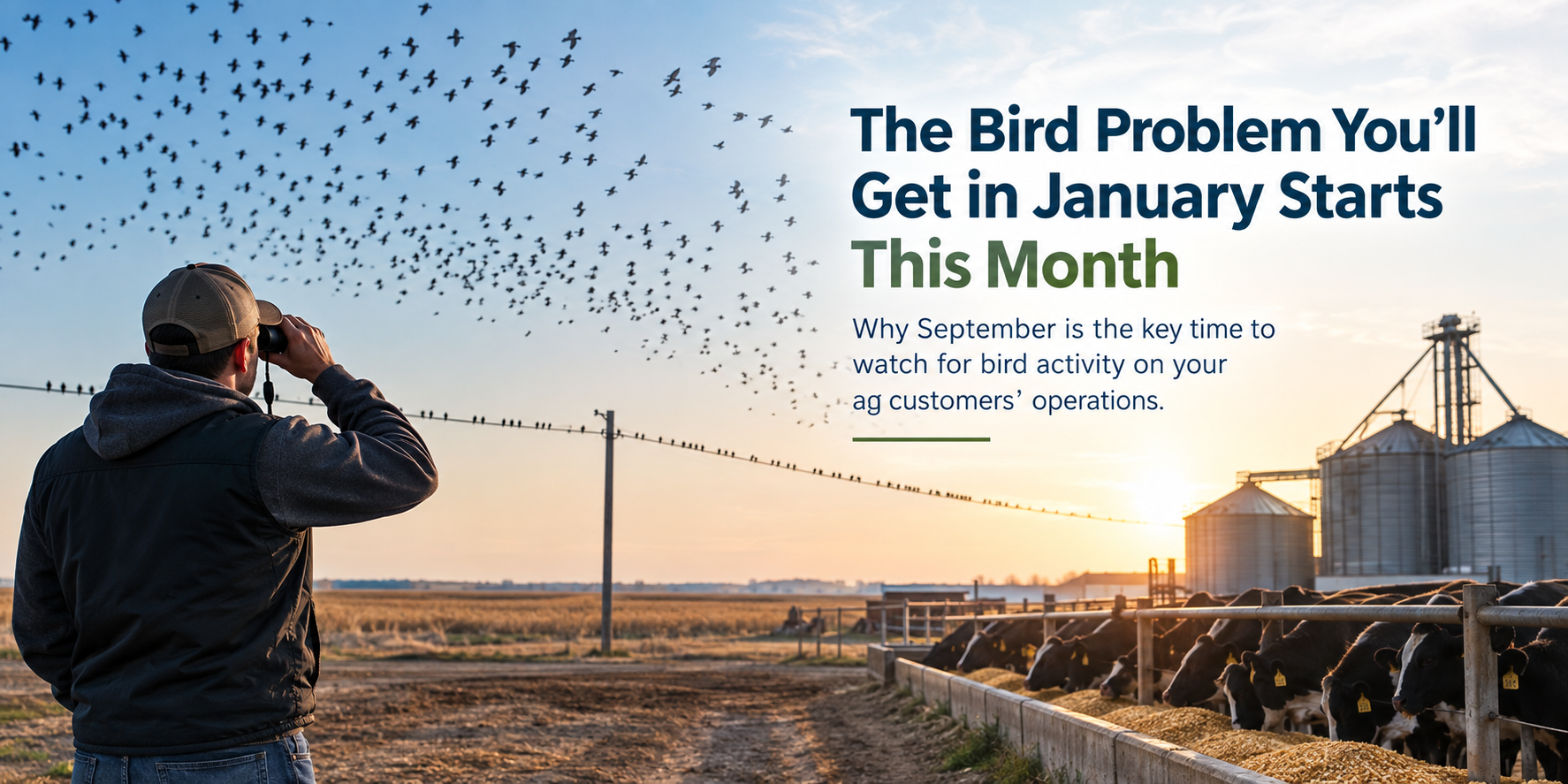
While monitoring, testing, and response efforts are ongoing, containment alone is not enough. The reality is that wild birds remain one of the primary vectors for introducing avian influenza onto farms. Migratory waterfowl and nuisance birds are known carriers, and when they loaf, feed, or roost near poultry barns, feed mills, grain storage, or water sources, the risk of contamination increases.
This is where proactive biosecurity becomes critical. Limiting exposure before the virus reaches a facility can mean the difference between continued operation and devastating loss. Producers should be reassessing their biosecurity plans now-not after a positive case appears down the road.
Key proactive steps include:
Reducing wild bird activity near barns, feed areas, and water sources
Limiting attractants such as spilled grain and standing water
Controlling bird access to rooftops, rafters, and loading areas
Reinforcing perimeter biosecurity and sanitation protocols
Avitrol: A Strategic Tool in the Fight Against Bird Pressure
When it comes to managing pest birds and reducing the risk they pose, Avitrol remains one of the most effective tools available to agriculture professionals. Used by trained pest control operators, Avitrol helps disperse problem bird populations humanely, discouraging flocks from settling and returning to sensitive agricultural areas.
By actively reducing wild and nuisance bird pressure around poultry facilities, Avitrol supports broader biosecurity efforts. Fewer birds loafing on-site means less exposure to droppings, feathers, and other contamination pathways that can introduce disease.
For poultry producers, feed mills, grain handlers, and ag facilities in high-risk regions, bird control should no longer be viewed as optional-it’s a critical layer of protection.
The latest LaGrange County case is another reminder that avian influenza is not a seasonal inconvenience-it’s an ongoing threat. With Indiana’s dense poultry population, every operation has a role to play in slowing the spread.
Proactive planning, strict biosecurity, and professional bird management solutions like Avitrol can help protect flocks, livelihoods, and the broader agricultural economy. Waiting until birds become a visible problem may already be too late. Now is the time for ag producers to act.