Skip to content
Poultry Farms Avian Influenza Dairy Farms

Bird Flu Hits Big in Pennsylvania

Avitrol Corportation
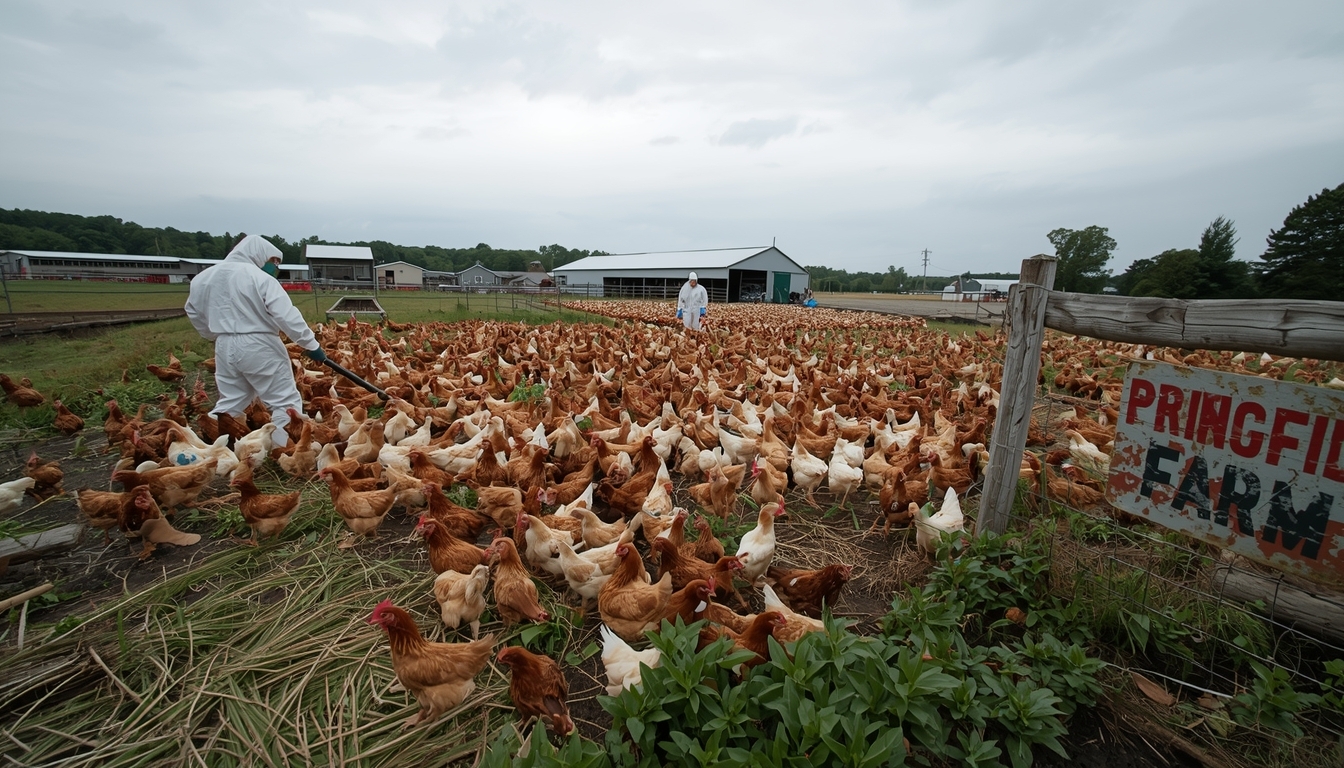
 Pennsylvania agriculture officials are sounding the alarm over what they’re calling an unprecedented outbreak of highly pathogenic avian influenza (H5N1). In just the past few weeks, the virus has ripped through both commercial and backyard flocks, putting serious pressure on producers and raising new concerns about potential dairy spillover.

Industry leaders say the uncertainty and rapid spread feel eerily similar to the early days of COVID-lots of moving pieces and supply chain worries stacking up fast.


🚨 By the Numbers: Over 7 Million Birds Impacted

Since early February:

  • More than 7 million birds have tested positive
  • 11 commercial flocks affected
  • 9 backyard flocks confirmed
  • Multiple large egg-layer farms hit hard

Some of the biggest confirmed losses include:

  • 722,100-bird layer farm (Feb. 3)
  • 2.64 million-bird layer farm (Feb. 17)
  • 1.45 million-bird layer farm (Feb. 18)

Bottom line for Ag: Egg production capacity is taking a major hit, and the situation is still evolving.chickens in pennsylvania

🦆 Suspected Source: Wild Birds

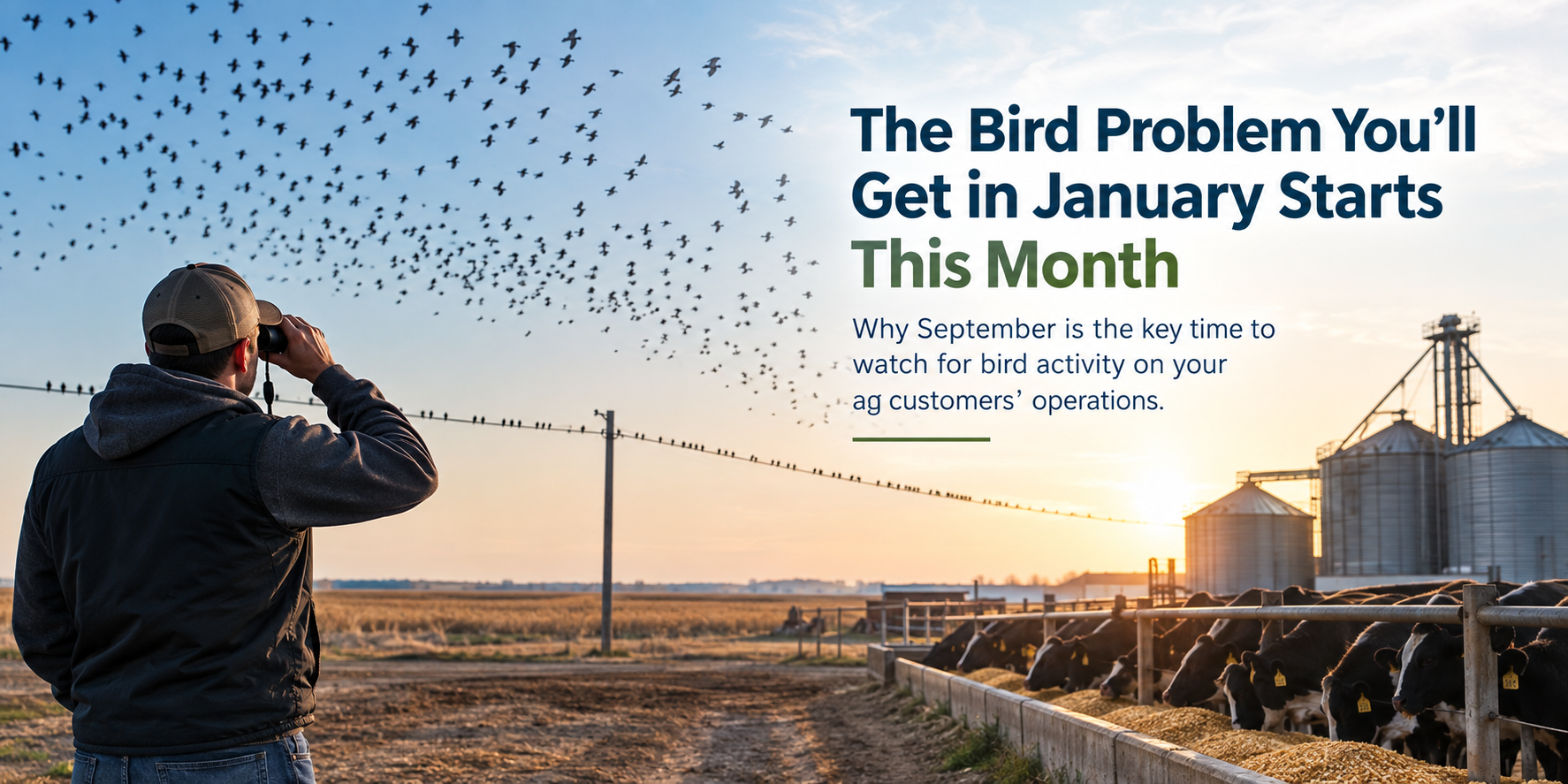
State officials believe overwintering wild birds-especially snow geese-are the most likely source of the outbreak. Traceback investigations are still underway to confirm the exact transmission path.

Meanwhile, federal epidemiologists are on the ground trying to determine:

  • Whether this is a new variant, or
  • If the virus has simply become more aggressive

Most cases so far appear linked to the D1.1 strain or its derivatives, which is notable because that same variant was tied to a Wisconsin dairy outbreak last December.

Why this matters: The strain’s presence keeps the dairy industry on high alert.


🥛 Dairy Industry on Edge

So far, no Pennsylvania dairy herds have tested positive, but officials are clearly preparing for the possibility.

Key risk factors:

  • Lancaster County has one of the nation’s highest concentrations of egg-layer farms
  • Many dairy operations sit near or on the same properties as poultry farms

Because of the proximity risk:

  • Farms within 1.86 miles of an infected poultry site must conduct additional testing
  • Milk tankers and farms are under enhanced surveillance

Critical takeaway for dairy producers: The window to tighten biosecurity is right now-not after a positive case appears.


💰 Financial Help Available to Producers

Pennsylvania and USDA programs are in place to help offset losses and strengthen defenses.

Poultry Support

  • Indemnity payments for birds destroyed due to HPAI
  • Coverage for disposal and cleaning costs
  • State HPAI Recovery Fund grants (next deadline: April 30)

Dairy Support

Through ELAP and related programs:

  • Compensation for lost milk production
  • Up to $10,000 for veterinary costs in infected cattle
  • Biosecurity funding up to $25,000 per premises

Additional assistance includes:

  • $1,500 for developing biosecurity plans
  • $100 for inline milk samplers
  • Funding support for PPE and laundry services

Action item: Producers who haven’t applied should review eligibility before the April deadline.


🛡️ High-Priority Dairy Biosecurity Moves

Experts are urging dairy farms to tighten protocols immediately. The most important steps:

Must-do actions

  • Pause or cancel nonessential farm visits
  • Assign a dedicated biosecurity manager
  • Call your vet if cows show:
    • Discolored milk
    • Fever
    • Reduced rumination
  • Report unusual die-offs in wildlife around the farm
  • Avoid bringing in cattle from affected areas
  • Keep wild birds away from feed and water sources
  • Clean and disinfect waterers daily

Plain and simple: Prevention right now is far cheaper than response later.


🐔 Poultry Biosecurity: Non-Negotiables

For poultry producers, containment discipline is critical.

Top priorities

  • Strictly limit and log all traffic onto the farm
  • Allow essential personnel only
  • Avoid visiting other poultry operations
  • Disinfect:
    • Equipment
    • Vehicles
    • Footwear
  • Keep flocks separated from wild and migratory birds
  • Immediately isolate sick birds and contact your veterinarian

⚠️ The Big Picture for Agriculture

This outbreak is moving fast and hitting large layer operations hard. While dairy herds remain negative for now, the presence of the D1.1 strain and the geographic overlap between poultry and dairy operations means biosecurity complacency is the biggest risk on the board.
caution tape on farm

If you’re in Ag:

  • Review your biosecurity plan
  • Tighten visitor and wildlife controls
  • Monitor flocks and herds closely
  • Explore available funding now—not later


The farms that act early are the ones most likely to stay out of the headlines.
Share this post