Poultry Farms
Bird Flu
Avian Influenza
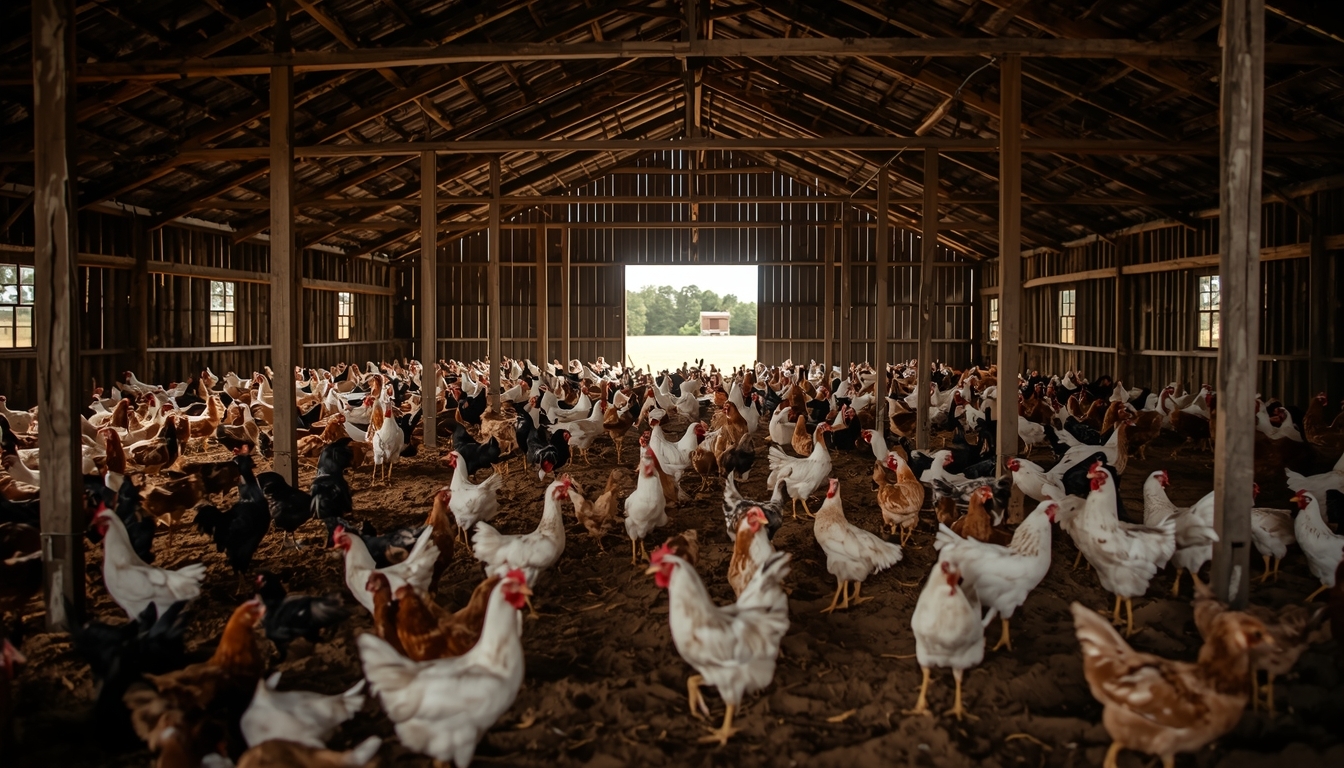

A recent case of Highly Pathogenic Avian Influenza (HPAI) in southeast Georgia is putting poultry owners across the region on alert-and for good reason. While the situation is currently contained, it’s a reminder of how quickly things can escalate when it comes to avian diseases, especially in areas with strong poultry production.
Here’s a deeper look at what happened, why it matters, and what you should be doing right now if you’re managing birds of any kind.
On April 23rd, 2026, officials confirmed a case of HPAI in a backyard flock located in Pierce County, Georgia. This wasn’t a large commercial operation-it was a mixed flock of about 60 birds, including chickens, ducks, geese, and turkeys.
Even though the flock was relatively small, the response was immediate and decisive. The entire flock was depopulated to stop the virus in its tracks. That might sound extreme, but when it comes to HPAI, fast action is the only way to prevent widespread outbreaks.
State and federal agencies didn’t waste time. The Georgia Department of Agriculture, along with the USDA Animal and Plant Health Inspection Service (APHIS), jumped into action as soon as the virus was confirmed.
Containment protocols were quickly put into place. That includes quarantining the area, monitoring surrounding properties, and increasing surveillance to make sure the virus hasn’t spread beyond the initial site.
Georgia Agriculture Commissioner Tyler Harper emphasized that their teams are working around the clock. And that’s not just talk-this kind of response is critical in protecting one of the largest poultry industries in the country.
The most likely source? Wild birds.
This is the part that catches a lot of people off guard. You don’t need direct contact with another farm for avian influenza to show up. Wild birds-especially migratory waterfowl-are known carriers of the virus. They can spread it through droppings, contaminated water sources, or even indirect contact with feed and equipment.
Backyard flocks are particularly vulnerable because they often have more exposure to the outdoors compared to commercial operations with strict biosecurity protocols.
Here’s the good news-for now.
Officials have confirmed that there are no commercial poultry or dairy operations within a six-mile radius of the infected flock. That significantly lowers the immediate risk of a large-scale outbreak.
But “low risk” doesn’t mean “no risk.”
Avian influenza has a history of spreading quickly if it’s not contained properly. One missed step, one overlooked exposure, and things can change fast.
Even though this case is localized in Georgia, poultry owners across the Southeast should be paying attention.
States in this region are heavily connected through agriculture, bird migration patterns, and even equipment and personnel movement. What starts in one county can become a multi-state issue if vigilance drops.
This is especially important for:
If you own or manage birds, this is not the time to be passive. A few simple steps can make a huge difference:
Limit access to your birds. That means fewer visitors, controlled entry points, and disinfecting equipment regularly.
Avoid open feed sources and standing water that can attract wild birds. The less contact, the better.
Look for signs like:
If something looks off, don’t wait-report it.
Shoes, tools, cages-everything that comes in contact with your birds should be cleaned regularly.
Situations like this highlight a reality a lot of people underestimate: bird health isn’t just a farm issue-it’s an industry-wide responsibility.
Whether you’re managing a large poultry operation or just a small backyard flock, biosecurity matters. And when something like HPAI shows up, the difference between containment and outbreak comes down to how seriously people take that responsibility.
Right now, the situation in Georgia is under control. But it’s also a warning shot.
If you’re in the bird control or poultry space, this is the time to stay sharp, stay informed, and double down on best practices. Because once avian influenza spreads, it doesn’t slow down-it accelerates.
And by then, it’s a lot harder to stop.