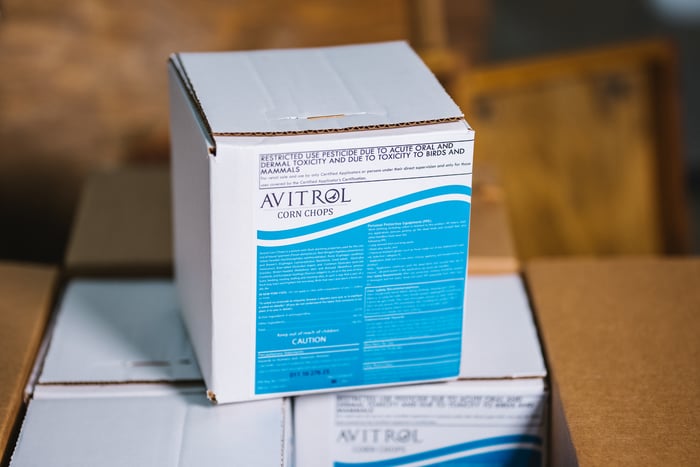
011- Avitrol Medium Corn Chops EPA REG 11649-6 - QUOTE
Looking to repel pest birds? Look no further than Avitrol's Active Corn Chops. Corn ground to a medium gives the taste of corn but little enough for smaller species such as sparrows ingest.


The worldwide bird flu story took a worrying turn this week, with highly pathogenic H5N1 avian influenza confirmed on poultry farms in both Israel and India. These outbreaks highlight how quickly the virus can rebound - even in places where it hasn’t been seen for months - and why farmers, supply chains, and public health officials need to stay vigilant.
In northern Israel, health authorities confirmed a bird flu outbreak at a commercial duck farm in the village of Sde Yaakov - marking the first such case in the country in over a year.
The virus infected a flock of about 2,000 ducks, and 90 birds died from the disease.
The remaining flock was culled as a precautionary measure to prevent further spread.
Local veterinary services established a quarantine zone and tightened biosecurity protocols at nearby poultry facilities.
This outbreak appears to be the first detection of H5N1 in an Israeli commercial flock since the previous season, underscoring how the virus can re‑emerge even after long quiet periods. The Jerusalem Post
Meanwhile, India reported a cluster of bird flu outbreaks across poultry farms in the southern state of Kerala last month.
According to the World Organisation for Animal Health (WOAH), there were 11 distinct outbreaks confirmed between early and mid‑December.
Combined, these events led to the deaths of around 54,100 birds, mostly ducks - with another 30,000+ birds culled to contain the virus’s spread.
Confirmatory testing identified the H5N1 strain, which remains one of the most concerning types of avian influenza for poultry industries worldwide. ETHealthworld.com
Kerala’s outbreak prompted local authorities to impose movement restrictions, enforce quarantines, and intensify surveillance - actions that are crucial for preventing further transmission.
Looking to repel pest birds? Look no further than Avitrol's Active Corn Chops. Corn ground to a medium gives the taste of corn but little enough for smaller species such as sparrows ingest.
These developments matter for several reasons:
1. Bird Flu Isn’t Gone - It’s Persistent
Even in regions without recent cases, H5N1 can resurface unexpectedly. Israel’s first outbreak in a year shows how the virus can lie dormant in wild bird populations and re‑enter commercial poultry settings.
2. Economic Impact on Farms Is Severe
Mass culling, quarantines, and movement bans deal a financial blow to farmers. In India, tens of thousands of birds had to be destroyed - a devastating hit for local producers.
3. Global Spread Remains a Risk
Bird flu outbreaks have been tracked across continents in recent years. Continued detection in Asia follows waves of infection reported from Europe and Africa in prior seasons, illustrating the virus’s global mobility.
With both Israel and India reporting fresh H5N1 outbreaks, now is a critical time to reinforce biosecurity in Facilities, monitor wild bird migration patterns, and maintain vigilant surveillance. Whether you’re involved in poultry production, food supply chains, or public health, these events are a reminder that bird flu remains an active, evolving threat.
Fill out the form below, and we'll create a tailored bird control strategy just for you—at no cost! Don’t wait; take control of your property now!