
Poultry Farms
Bird Flu
Avian Influenza
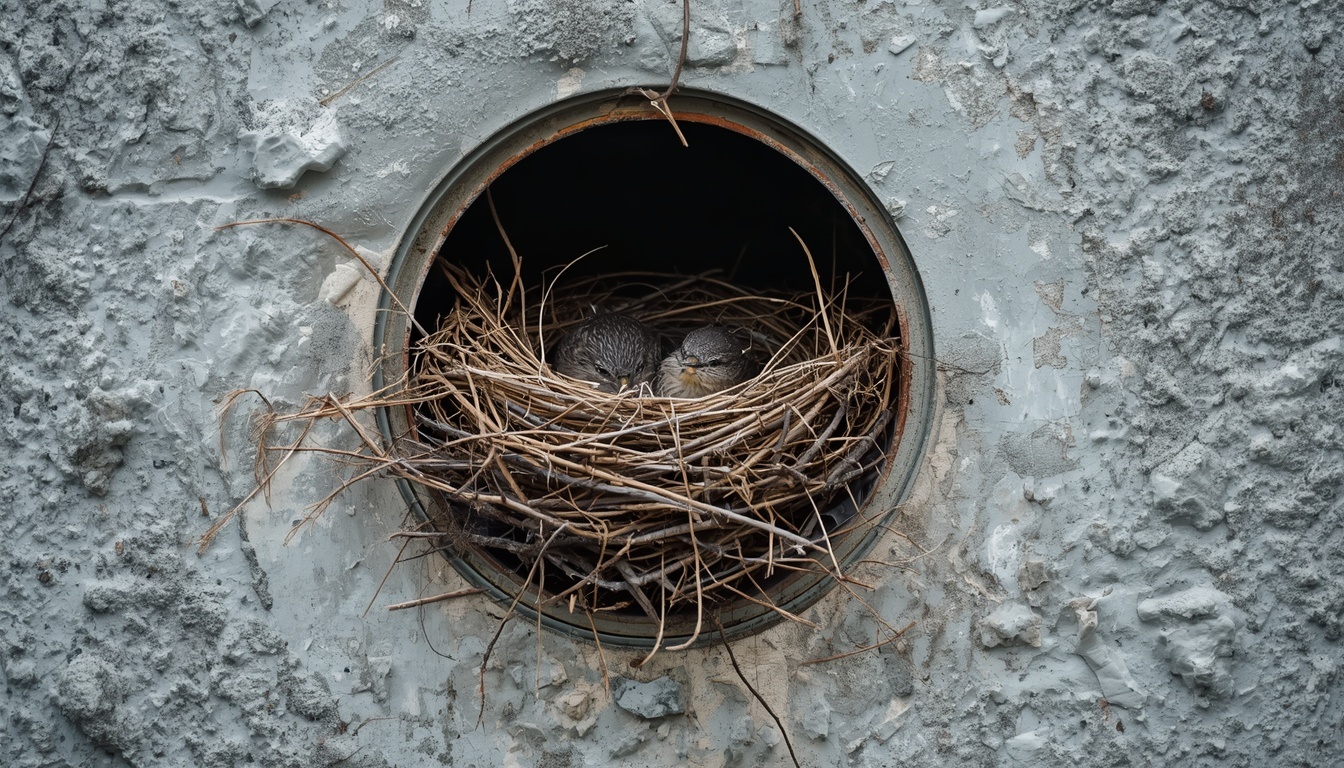

For facility managers and building operators, dryer vent systems are often out of sight and out of mind, until a serious problem develops. During peak nesting season in May and early summer, birds actively search for warm, protected spaces to build nests, and dryer vents are one of their preferred targets.
What may seem like a minor nuisance can quickly become a major operational and fire safety hazard. When nesting materials combine with lint buildup and restricted airflow, facilities face elevated fire risks, equipment strain, compliance concerns, and costly downtime.
Understanding the risks and implementing proactive prevention measures can help protect your building infrastructure, occupants, and operational continuity.
Dryer vent systems are designed to remove hot, moisture-laden air from commercial and residential facilities. These systems rely on unrestricted airflow to operate safely and efficiently.
When birds build nests inside vent terminations or duct pathways, airflow becomes restricted. Nesting materials such as:
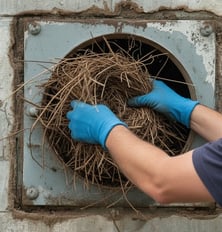
begin trapping lint and heat inside the system.
This creates an extremely combustible environment.
As dryers continue operating under blocked conditions, temperatures inside the vent line rise significantly. Over time, the excess heat can ignite lint accumulation or dry nesting materials, increasing the likelihood of a dryer-related fire.
For facility operators managing:
even a single blocked dryer vent can create major liability exposure.
The fire risk is only part of the problem.
Bird nests inside dryer vents also create ongoing operational inefficiencies that impact maintenance costs and equipment lifespan.
Common issues include:
When airflow is restricted, dryers work harder and longer to complete cycles. This added strain accelerates wear on motors, heating elements, and internal components.
For facilities operating multiple dryers daily, these inefficiencies can significantly increase utility costs and maintenance expenses over time.
May marks the beginning of peak nesting activity for many pest bird species.
During this period, birds actively search for enclosed, protected cavities that resemble natural nesting environments. Dryer vents provide:
Once nesting begins, the problem becomes much harder to address.
In many situations, active nests containing eggs or hatchlings may fall under federal protections through the Migratory Bird Treaty Act, limiting immediate removal options.
That means facility managers who wait too long may be forced to leave blocked vents in place until nesting concludes-prolonging fire risks and operational hazards throughout the summer.
Preventive action before or during early nesting season is the safest and most effective strategy.
Certain bird species are especially problematic for commercial and residential facilities because they readily adapt to man-made structures.
European Starling are among the most common dryer vent nesters.
These birds aggressively seek enclosed cavities for breeding and often pack vents tightly with dense nesting material. Their nests can completely obstruct airflow in a short period of time.
Starlings are also highly persistent and may repeatedly return to the same nesting location year after year if entry points remain accessible.
House Sparrow frequently utilize dryer vents in urban and suburban facilities.
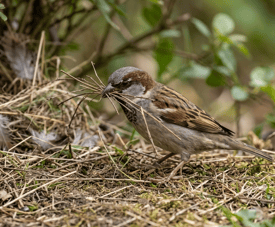
While their nests may appear less compact than starling nests, they still create significant airflow restrictions and fire hazards.
House sparrows also demonstrate strong nesting site loyalty, meaning unresolved problems often become recurring annual issues.
Routine inspections during nesting season can help maintenance teams identify problems before serious damage occurs.
Common warning signs include:
Facility maintenance personnel should pay special attention to vents located:
These locations are particularly attractive to nesting birds.
The most effective prevention method is installing professionally designed dryer vent guards that:
Vent covers should use openings small enough to exclude starlings and sparrows while still allowing safe ventilation performance.
Improper vent covers can create additional lint accumulation problems, so selecting commercial-grade solutions is essential.
Facilities should implement seasonal inspections before nesting activity intensifies.
Ideal inspection windows include:
Routine inspections should verify:
Preventive maintenance during this window is significantly easier and less expensive than emergency remediation after nests become established.
Bird activity near buildings increases the likelihood of nesting attempts.
Facility operators can reduce pressure by:
A broader bird management strategy helps reduce recurring nesting problems across the property.
For larger commercial properties, recurring bird activity often requires more than basic exclusion devices.
An Integrated Pest Management (IPM) approach provides a long-term strategy focused on:
Professional bird control specialists can help facility managers identify vulnerabilities, evaluate recurring bird pressure, and implement customized prevention programs that align with operational and regulatory requirements.
For facilities with persistent nesting issues, proactive bird management is far more cost-effective than responding to fire incidents, equipment failures, or emergency maintenance disruptions.
Bird nests inside dryer vents are not simply a maintenance nuisance, they represent a serious fire safety and operational risk for facilities of all sizes.
During nesting season, especially in May and early summer, facility managers should prioritize:
Addressing nesting activity before birds establish active nests helps protect equipment, reduce liability exposure, improve operational efficiency, and maintain safer building conditions for occupants and staff.
For facility operators, proactive bird prevention is ultimately a critical component of overall facility risk management.
