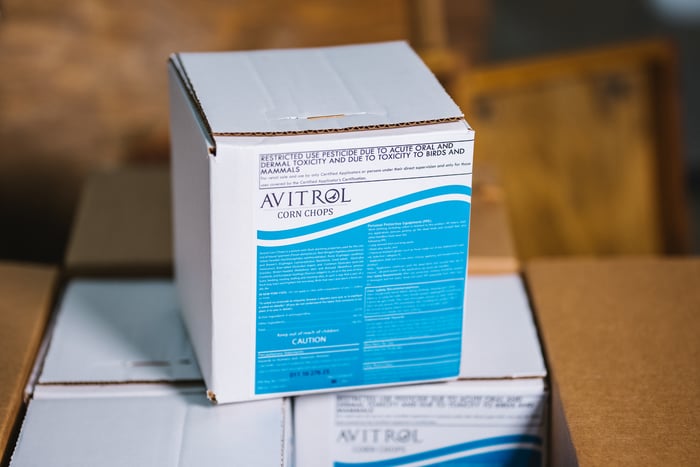
011- Avitrol Medium Corn Chops EPA REG 11649-6 - QUOTE
Looking to repel pest birds? Look no further than Avitrol's Active Corn Chops. Corn ground to a medium gives the taste of corn but little enough for smaller species such as sparrows ingest.


Each fall, millions of birds make their journey south across North America - and many stop to rest right in our cities, campuses, and public facilities.
For government buildings, public works sites, and municipal infrastructure, this isn’t just a seasonal spectacle - it’s a period of heightened risk for property damage, sanitation issues, and costly maintenance. Migrating birds can arrive suddenly, stay in large flocks, and leave behind serious problems if not managed proactively.
Here’s what’s happening right now - and how you can stay ahead of it.
Species like starlings, grackles, and pigeons migrate and roost in the thousands. Government buildings - especially those with ledges, overhangs, bridges, and light poles - provide ideal shelter. Once a flock establishes a roost, droppings and nesting debris can damage facades, corrode metal, and clog gutters or drainage systems.
Bird droppings near public entrances, HVAC intakes, or maintenance areas can create sanitation issues and potential public health concerns. In facilities like water treatment plants or public works garages, contamination risks rise sharply during migration.
Municipal spaces - parks, plazas, parking lots, and waste collection areas - often attract migrating flocks looking for food. Open trash bins, litter, and standing water turn these spaces into feeding grounds, increasing cleanup needs and potential for complaints from the public.
Bird droppings are acidic and corrosive. On bridges, statues, walkways, and railings, they degrade paint and surfaces. On sidewalks and entryways, they’re unsightly, slippery, and a frequent source of citizen complaints and liability risks.
Bird droppings can harbor Histoplasma capsulatum, a fungus that causes respiratory illness in maintenance and custodial staff. Accumulated droppings also create slip hazards, violate OSHA standards, and increase exposure risks during cleaning.
Inspect rooftops, signage, ledges, lighting, and mechanical areas for signs of new roosting or nesting. Document activity and address issues early - migration periods can bring sudden spikes in bird numbers.
Keep waste bins and dumpsters securely closed
Increase trash pickup frequency in high-traffic areas
Address standing water near retention ponds and storm drains
Enforce “no feeding” policies in parks and public spaces
Looking to repel pest birds? Look no further than Avitrol's Active Corn Chops. Corn ground to a medium gives the taste of corn but little enough for smaller species such as sparrows ingest.
This is the ideal time to reassess your deterrent plan before winter roosting patterns set in. Many municipalities now use Avitrol products - regulated, proven solutions that modify flock behavior and encourage relocation in a humane, controlled manner.
Ensure air handling units, fans, and rooftop equipment are screened and droppings-free. Even a small roost above an air intake can compromise airflow quality in public buildings and violate safety standards.
Birds navigate by starlight - bright or unshielded facility lighting can disorient them and cause collisions. Reduce unnecessary lighting, shield fixtures downward, and install motion sensors where feasible, especially on tall municipal structures or towers.
Routine droppings removal prevents corrosion, slip hazards, and exposure to airborne contaminants. Establish a seasonal cleaning plan to maintain safety and compliance while avoiding costly restoration later.
Fall migration happens quickly, but its effects can last all season. Proactive management protects public assets, reduces liability, and keeps your facilities clean, compliant, and safe.
You can’t stop the migration - but you can make sure the birds keep flying past your property, not settling in for the season.
Fill out the form below, and we'll create a tailored bird control strategy just for you—at no cost! Don’t wait; take control of your property now!