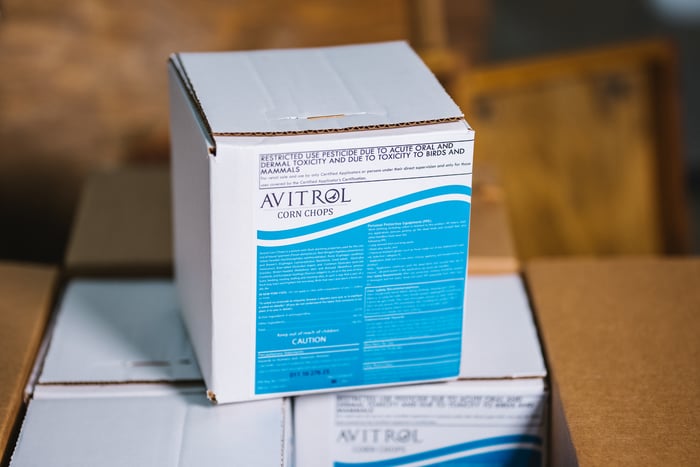
011- Avitrol Medium Corn Chops EPA REG 11649-6 - QUOTE
Looking to repel pest birds? Look no further than Avitrol's Active Corn Chops. Corn ground to a medium gives the taste of corn but little enough for smaller species such as sparrows ingest.
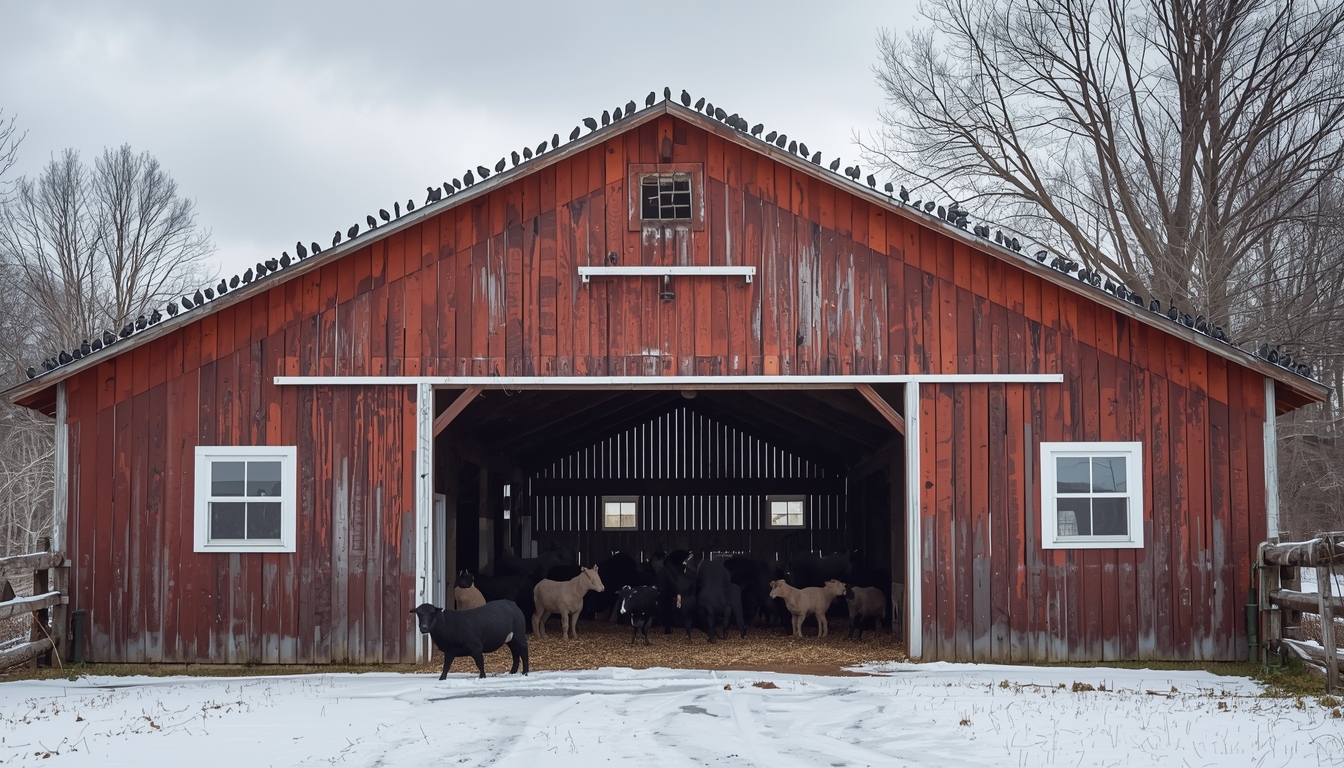

As the new year begins, many farmers across the United States are facing a familiar problem-an increase in bird pressure on their operations. January may feel like a quieter time in agriculture, but for pest birds, it’s prime season.
Cold weather, limited food sources, and changing migration patterns all push birds toward farms in search of warmth, shelter, and an easy meal. The result? More birds, more damage, and more risk at a time when margins are already tight.
Winter conditions play a major role in bird behavior. As temperatures drop and snow covers natural food sources, birds are forced to adapt.
Farms offer exactly what they need:
Stored grain and feed
Warm barns and equipment
Covered roosting areas
Open water sources
By January, many migratory birds have settled into wintering areas, while resident species begin to congregate in large numbers. These flocks can grow quickly and become difficult to manage if left unchecked.
Bird activity during the winter months isn’t just a nuisance-it can cause real operational challenges.
Birds feeding on stored grain, silage, and livestock rations lead to:
Reduced feed quality
Increased waste
Higher feed costs
Their droppings contaminate feed and surfaces, creating sanitation and health concerns for livestock.
Roosting birds can damage:
Insulation
Wiring
Fans and ventilation systems
Grain handling equipment
Over time, this damage adds up and can lead to costly repairs during an already slow season.
Large winter flocks increase the risk of disease transmission, including avian influenza and other pathogens. Birds moving between farms, feedlots, and wildlife areas can unintentionally spread disease, putting livestock and poultry operations at risk.
Looking to repel pest birds? Look no further than Avitrol's Active Corn Chops. Corn ground to a medium gives the taste of corn but little enough for smaller species such as sparrows ingest.
January is when grain storage areas often see the heaviest bird pressure. With fields dormant and food scarce, bins, elevators, and feed mills become hotspots.
Birds entering grain facilities can:
Block vents and augers
Increase moisture levels
Trigger safety and quality issues
Cause product loss that goes unnoticed until it’s significant
One of the biggest mistakes farms make is assuming winter bird problems will resolve on their own. In reality, January sets the tone for the rest of the year.
Birds that establish roosting and feeding patterns now are far more likely to:
Stay on-site long term
Return year after year
Multiply as spring approaches
Early intervention is key to preventing small problems from becoming ongoing infestations.
The start of a new year is the perfect time to evaluate bird activity and implement stronger control measures. Effective bird management focuses on:
Reducing attractants
Protecting feed and storage areas
Preventing birds from establishing roosts
Using proven, consistent solutions rather than short-term deterrents
January may be cold and quiet in the fields, but when it comes to birds, it’s anything but slow.
As farms across the U.S. move into the new year, bird challenges are already showing up in barns, grain bins, and feed areas. Addressing these issues early helps protect feed, livestock health, and facility integrity long before spring arrives.
Because when the new year comes, so do the birds-and the farms that plan ahead are the ones that stay ahead.
Fill out the form below, and we'll create a tailored bird control strategy just for you—at no cost! Don’t wait; take control of your property now!