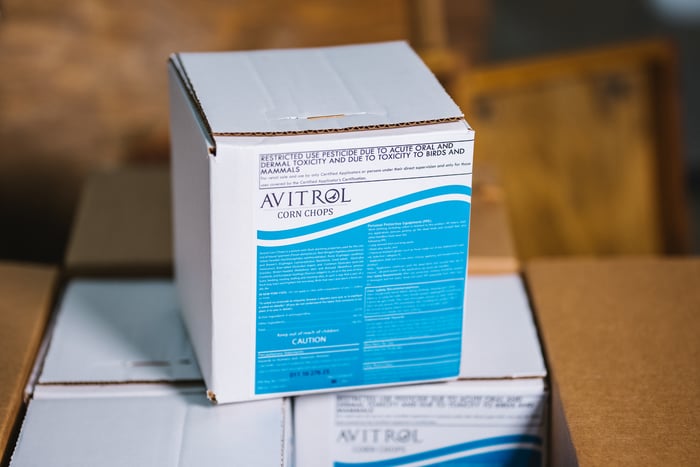
011- Avitrol Medium Corn Chops EPA REG 11649-6 - QUOTE
Looking to repel pest birds? Look no further than Avitrol's Active Corn Chops. Corn ground to a medium gives the taste of corn but little enough for smaller species such as sparrows ingest.

Fall migration is in full swing across North America, and this year’s numbers are breaking records. If you manage a facility-whether it’s a government building, municipal site, office complex, or service center-now is the time to be aware. Massive flocks of migrating birds are moving through the U.S., and that can mean real risks to your operations and public-facing spaces. Here’s what’s happening and why it matters for facility management and protection.
Record-Setting Migration Nights
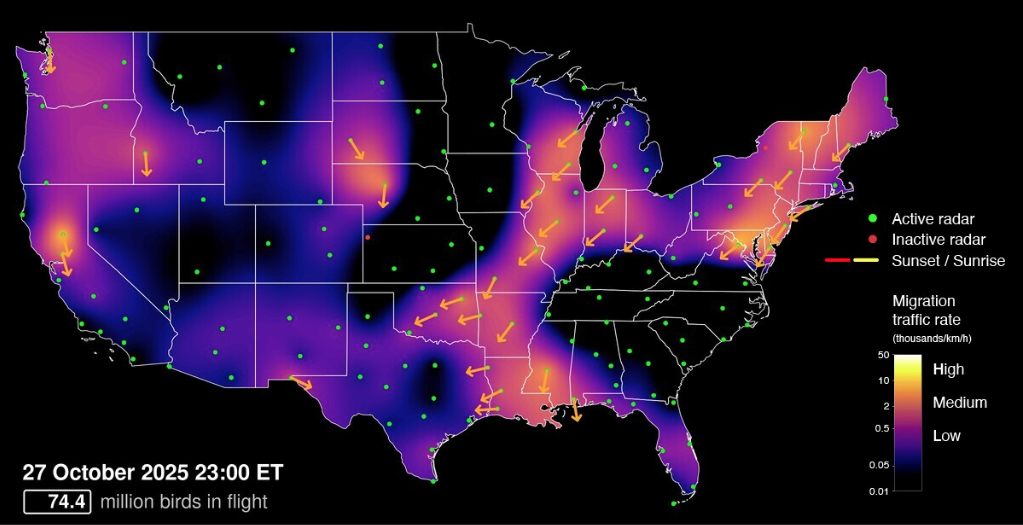
According to BirdCast, the 2025 fall migration has been one of the most active on record. On October 8 alone, more than 1.25 billion birds were recorded flying south across the U.S.-a single-night record.
That level of movement means birds are passing over, around, and even landing near government and municipal facilities. This isn’t just a rural issue-urban and suburban sites can experience the same pressure as birds look for places to rest, roost, or feed.
When and How Birds Are Moving
Most migration happens at night, beginning roughly 30–45 minutes after sunset and peaking 2–3 hours later. Live migration maps show birds primarily flying southward, though local wind and weather can shift their routes.
For facilities and government buildings, that means increased nighttime bird activity overhead and potential early morning roosting. Flat roofs, parking structures, HVAC units, courtyards, and nearby water sources can all attract birds looking for rest stops along their journey.
Hotspots and Flyway Corridors
Some of the most active areas this fall include major river systems and coastal routes. For example, the Upper Mississippi River National Wildlife and Fish Refuge is currently seeing high concentrations of ducks, swans, and other waterbirds. Coastal regions and peninsulas are also recording heavy traffic.
If your facility sits near one of these corridors-or even near parks, open fields, or civic spaces-you’re likely in the path of migrating birds.
Looking to repel pest birds? Look no further than Avitrol's Active Corn Chops. Corn ground to a medium gives the taste of corn but little enough for smaller species such as sparrows ingest.
1. Increased Risk of Bird Intrusion
With migration still strong, expect higher bird presence around your property. Birds can cause issues ranging from droppings and contamination to equipment damage, slip hazards, and public health concerns. Now is the time to ensure deterrent systems are in place and functioning.
2. High-Risk Structures
Migrating birds often travel at higher altitudes, making tall or open structures prime landing zones. Government buildings and facilities should assess:
Proximity to known flyways or stopovers
Orientation of the building relative to evening migration routes
Potential roosting spots, such as ledges, roof edges, signage, and nearby water features
3. Proactive vs. Reactive Management
Waiting until birds settle in is costly. Proactive exclusion, screening, and deterrent systems prevent problems before they start-and they’re most effective when timed around migration peaks.
Live migration forecasts are available through sources like BirdCast, which use radar data to track bird movement in real time. Facility managers can use this data to coordinate with bird control professionals and plan interventions strategically.
Here’s how this information can be leveraged in practice:
“Migration activity is at record levels-our site may experience increased pressure.”
“We can align preventive measures with peak migration windows for maximum effect.”
“Using radar-based forecasts, we can stay ahead of roosting behavior instead of reacting to it.”
Fall 2025 is a historic migration season, and with billions of birds in motion, your facility could be in their flight path. This isn’t just a wildlife story-it’s an operational concern.
Partnering with a professional bird control provider ensures your facility stays protected from droppings, contamination, equipment damage, and safety hazards. Migration may be temporary, but the impact of not preparing can last long after the birds move on.
Fill out the form below, and we'll create a tailored bird control strategy just for you—at no cost! Don’t wait; take control of your property now!