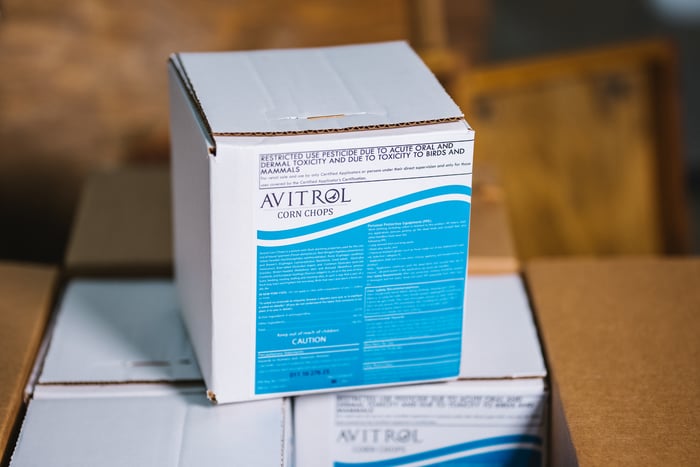
011- Avitrol Medium Corn Chops EPA REG 11649-6 - QUOTE
Looking to repel pest birds? Look no further than Avitrol's Active Corn Chops. Corn ground to a medium gives the taste of corn but little enough for smaller species such as sparrows ingest.


Birds aren’t just messy, they’re a liability. If you manage a facility, you already know birds can be more than an annoyance. Droppings, nests, and corrosion aren’t just maintenance headaches - they’re safety and compliance risks that can cost thousands.
What most facility managers don’t realize is that OSHA does care about birds, even though there’s no “bird rule” written in the books. Birds fall under several existing OSHA obligations, and failing to address them could easily lead to citations under general safety standards.
Let’s clear this up first: OSHA doesn’t have a bird-specific regulation. You won’t find a section that says, “Bird Control for Industrial Sites.”
However, OSHA does classify birds as “other vermin,” and that means their presence on or inside your facility can fall under 29 CFR 1910.141(a)(5) - the general industry standard for housekeeping and vermin control.
That standard requires every workplace to be constructed and maintained to prevent the entrance or harborage of rodents, insects, and other vermin. Birds fit that category when they’re nesting in rafters, ledges, or HVAC systems.
In addition, the General Duty Clause (Section 5(a)(1)) requires every employer to maintain a workplace free from recognized hazards - including those caused by birds and their droppings.
Here’s where the real risk shows up. Birds don’t just perch and fly off - they leave behind hazards that tie directly to OSHA concerns:
Slip and Fall Hazards - Droppings on docks, walkways, or entryways create slippery surfaces.
Respiratory and Biohazard Risks - Dried droppings can release fungal spores that cause illnesses like histoplasmosis or psittacosis.
Equipment and Structural Damage - Nesting in HVAC units or drains can clog systems and create unsafe operating conditions.
Fire and Egress Hazards - Nests in light fixtures, beams, or electrical boxes can become fire risks or block exit signage.
Contamination Risks - In food or manufacturing facilities, droppings and feathers can contaminate products or equipment, which can trigger both OSHA and FDA issues.
If your employees can slip, inhale airborne contaminants, or get sick because of birds - it’s no longer just a pest problem. It’s a safety violation waiting to happen.
So what’s your responsibility as a facility manager? OSHA doesn’t expect you to become an ornithologist - but they do expect a proactive approach to keeping birds and their mess under control.
Here’s what compliance looks like in practice:
Audit your property for hotspots - roof ledges, HVAC intakes, loading docks, signage, and structural overhangs. These are prime nesting and roosting zones.
Seal openings, fix broken seals around roll-up doors, and eliminate standing water or food sources. Regularly remove droppings and nesting debris - this satisfies OSHA’s vermin-control and housekeeping standards.
Document your inspection routine, control methods, and cleanup procedures. This shows OSHA you’ve recognized the hazard and are taking steps to manage it. Include:
Cleaning protocols (wet droppings before removal to avoid dust)
PPE requirements for cleanup (respirators, gloves, eye protection)
Training for maintenance staff on safe removal and sanitation
Track inspections, cleaning logs, and any employee training related to bird hazards. If an illness or injury occurs, document it properly in your OSHA 300/300A logs.
Looking to repel pest birds? Look no further than Avitrol's Active Corn Chops. Corn ground to a medium gives the taste of corn but little enough for smaller species such as sparrows ingest.
Ignoring bird problems can cost far more than a cleanup bill. OSHA citations, product contamination, shutdowns, and even worker illnesses can stem from unmanaged bird activity.
By staying proactive, you’re not just keeping things tidy - you’re meeting OSHA’s expectations for a safe, compliant, and well-managed facility.
There may not be an OSHA rule labeled “Bird Control,” but make no mistake - OSHA expects you to handle it. Birds fall under your general duty to provide a safe workplace. That means preventive measures, documentation, and regular oversight are all part of your compliance strategy.
If you’ve noticed more bird activity around your site, now’s the time to act. A quick facility audit today can prevent costly safety citations, downtime, and health risks tomorrow.
Fill out the form below, and we'll create a tailored bird control strategy just for you—at no cost! Don’t wait; take control of your property now!