Poultry Farms
Bird Flu
Avian Influenza
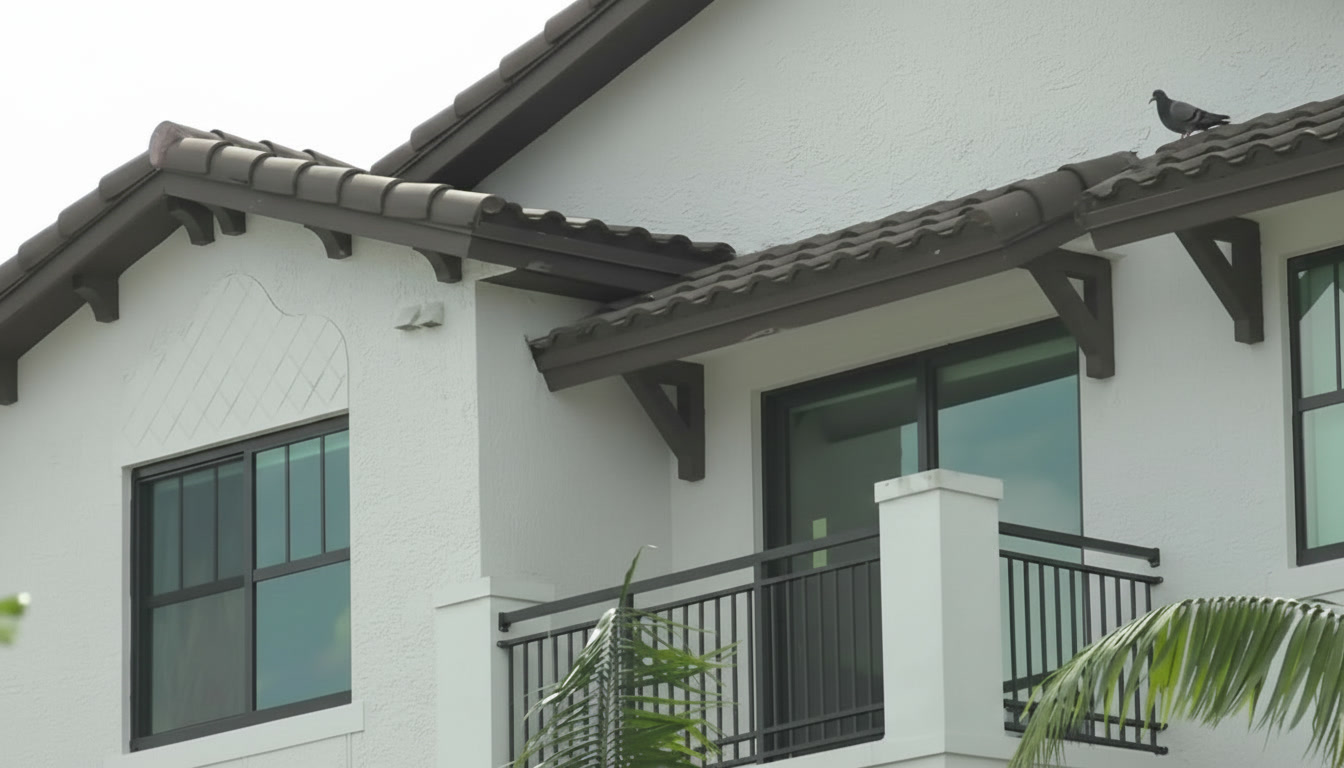

Here’s a situation that should hit home for anyone responsible for managing a property.
A resident in Miramar, Florida is dealing with something far beyond a nuisance-birds nesting in the attic above her apartment, and the problem has spiraled into what she believes is a serious health issue.
The resident says birds have been living directly above her bedroom, using the attic as a nesting and roosting space.
The result?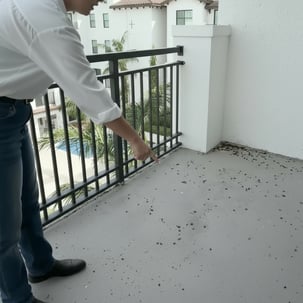
She’s tried to keep up with cleaning, but it’s a losing battle.
At a certain point, it stops being maintenance… and starts being exposure.
This is where the story takes a turn that facility managers shouldn’t ignore.
The resident says her health has noticeably declined over the past few months, with symptoms like:
For someone who says they’ve never dealt with allergies before, that’s a red flag.
Bird droppings and nesting debris aren’t just unpleasant-they can carry airborne contaminants that impact indoor air quality, especially when they’re sitting right above a living space.
Here’s the part that makes this situation even more frustrating.
According to the resident:
But the fix? It never happened.
Instead, she says management ultimately dismissed the issue, citing a separate inspection that found no evidence of birds inside the attic.
Meanwhile, the birds are still being seen entering and exiting the area daily.
If this feels like a one-off situation-it’s not.
This is a pattern seen across multi-family housing and campuses alike:
By the time it’s taken seriously, you’re no longer dealing with prevention-you’re dealing with full-scale remediation.
Here’s the bottom line: birds don’t need much to move in-but once they do, they don’t leave on their own.
What starts as “a few birds on the roof” quickly turns into:
In this case, the resident made it clear-she doesn’t want to leave. She just wants the problem fixed.
And that’s the expectation for every facility you manage.
Because when bird issues are dismissed or delayed, it stops being just a maintenance problem.
It becomes a health risk, a cost issue, and a trust issue-all at once.