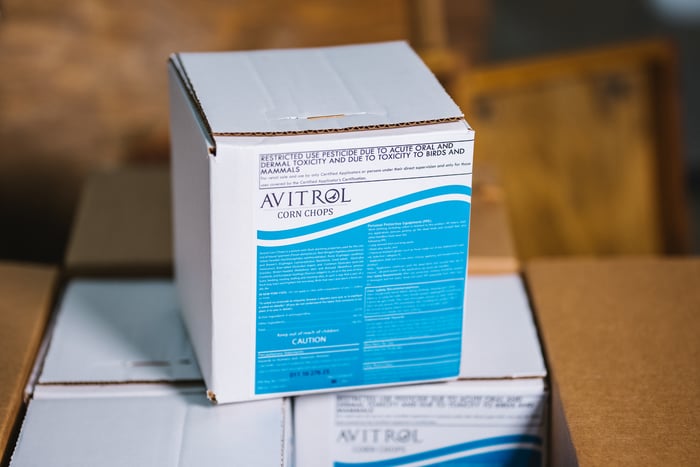
011- Avitrol Medium Corn Chops EPA REG 11649-6 - QUOTE
Looking to repel pest birds? Look no further than Avitrol's Active Corn Chops. Corn ground to a medium gives the taste of corn but little enough for smaller species such as sparrows ingest.
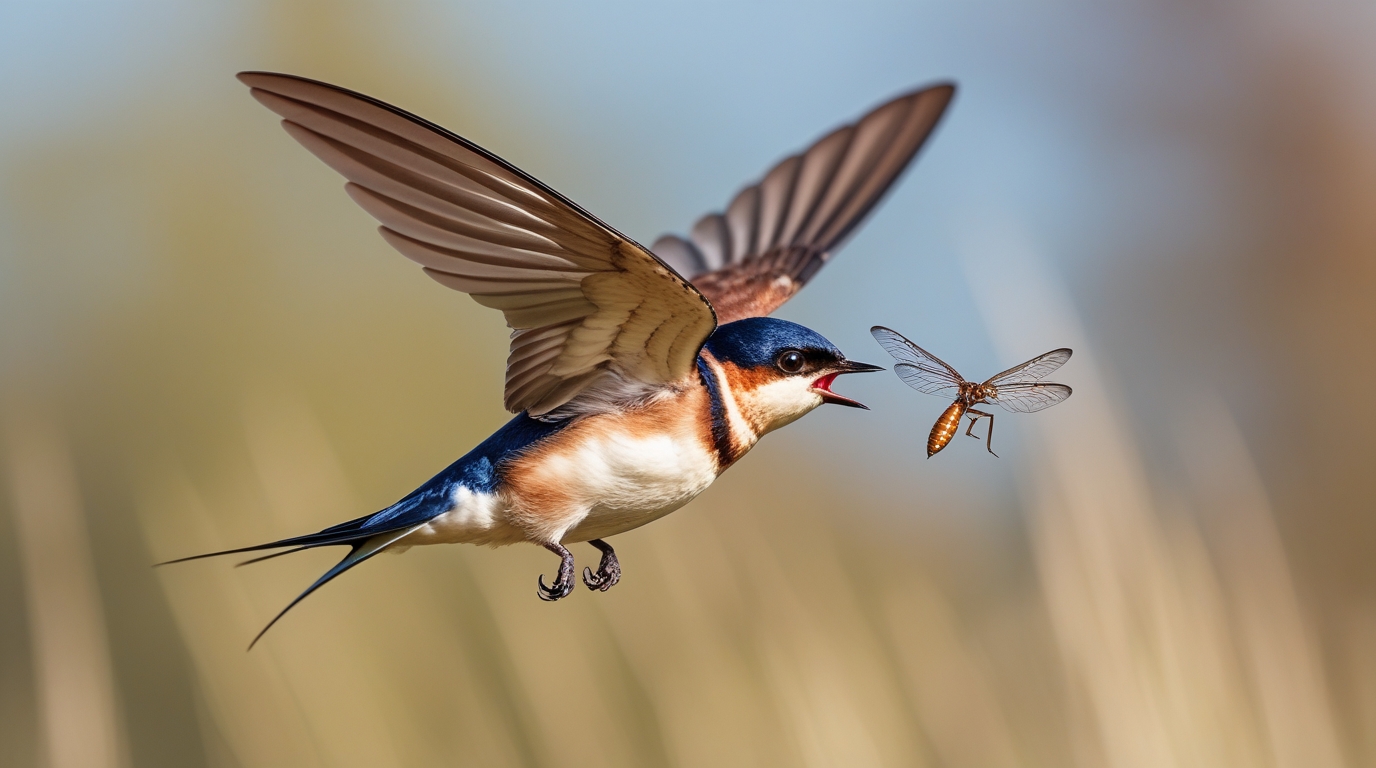

Birds are often the stars of any farm ecosystem story. We think of them swooping in to eat pests, keeping our crops safe without any chemicals. And while that’s true some of the time, recent research shows that not all birds are purely “heroes” in agriculture. In fact, some can be a mix of hero and villain depending on what-and how many-they eat.
A study published by researchers in Spain looked at 26 species of birds in apple orchards to understand their real impact on pest control. Here’s what they found-and why it matters for farmers everywhere.
We tend to lump insect-eating birds together as “beneficial,” but that’s oversimplifying things. The study showed that while these birds do eat pests, they also often eat beneficial insects-the same insects that naturally control harmful pests.
So, a bird swooping down to gobble up a caterpillar might also munch on ladybugs or predatory beetles that help you protect your crops. That’s the double-edged sword of “insectivorous” birds: they help, but they can also hurt your pest management strategy if you don’t know who’s who.
Another interesting finding? It’s not just the type of bird that counts-it’s how many of them are around. Common, abundant species have the biggest impact on your crops. If a lot of them eat both pests and beneficial insects, the net effect can actually be negative.
Meanwhile, rare bird species, no matter how voracious, usually don’t change much because there just aren’t enough of them to make a difference.
This shows that quantity often outweighs quality when it comes to bird populations in agricultural settings.
Looking to repel pest birds? Look no further than Avitrol's Active Corn Chops. Corn ground to a medium gives the taste of corn but little enough for smaller species such as sparrows ingest.
Observe Your Birds
Don’t assume that every bird on your farm is a helper. Take note of the species you see most often and what they’re eating. Over time, you’ll get a better sense of who’s helping and who might be creating new problems.
Think Beyond Pest Control
Birds play other roles too: they pollinate, disperse seeds, and contribute to soil health. But when it comes to pests, balance is key. You might have to weigh the benefits of having certain birds around against the risks to your natural pest control.
Adjust Habitat Strategically
Planting hedgerows, trees, or cover crops can attract beneficial species-but it can also attract opportunistic pest-eating birds. Knowing which birds dominate your farm can help you design habitats that favor the ones you want, and discourage the ones you don’t.
Integrated Pest Management (IPM) Matters
Birds are just one piece of the puzzle. Combining observation with other strategies-like natural predators, crop rotation, and selective use of deterrents-can keep your farm ecosystem healthy without relying solely on chemicals.
The bottom line? Not all insect-eating birds are automatically “good” for your farm. Their effect depends on what they eat and how many of them there are. By keeping an eye on bird populations and their behaviors, farmers can better leverage the benefits while reducing unintended downsides.
In other words, the next time a bird swoops in, don’t assume it’s a hero. Watch closely-it might just be a little bit of both.
Fill out the form below, and we'll create a tailored bird control strategy just for you—at no cost! Don’t wait; take control of your property now!