Poultry Farms
Bird Flu
Avian Influenza
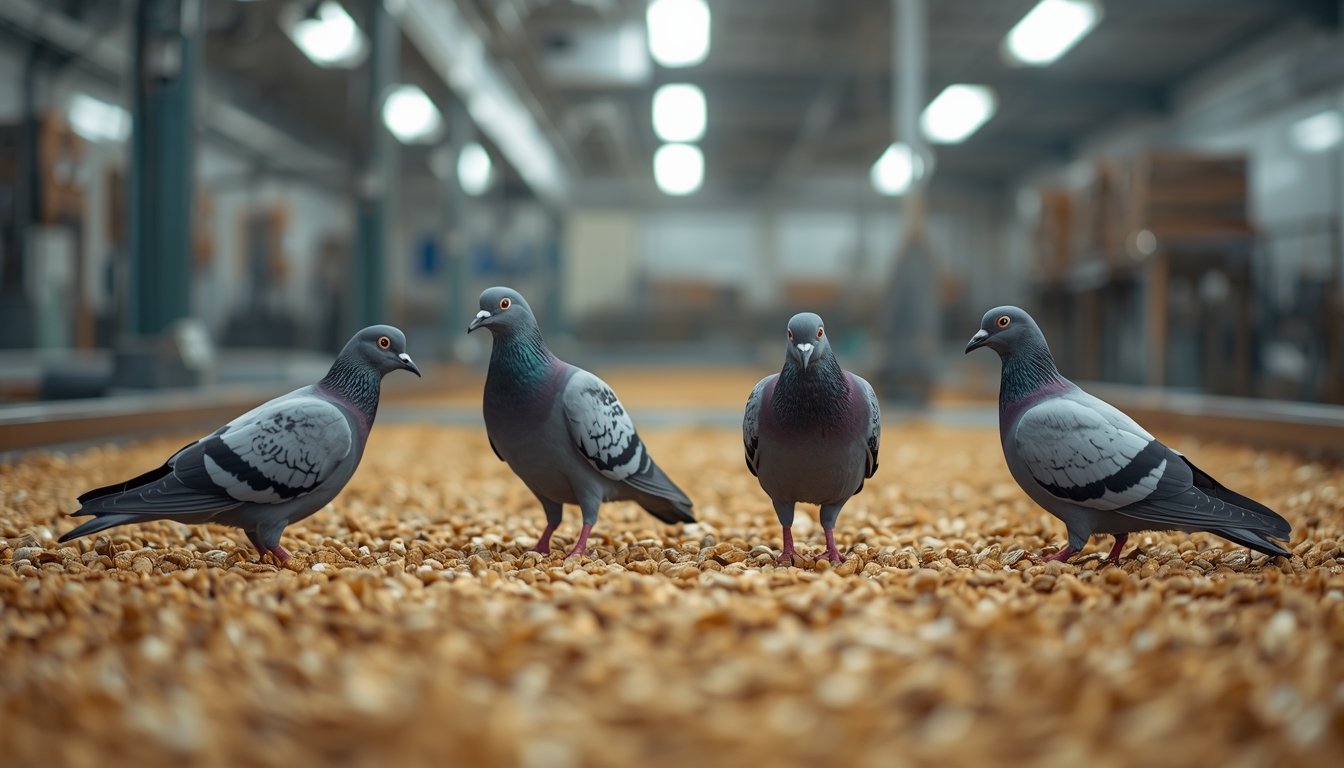

If you work in the food and beverage industry, you already know bird issues are more than just an annoyance. They’re messy, persistent, and somehow always seem to resurface right after you thought the problem was “handled.”
You paid for deterrents. You scheduled the cleanup. You checked the box.
So why are the birds back… and why does it suddenly feel like you’re the one being questioned?
Let’s break down what’s really happening.
Most bird control efforts in food facilities fall into the category of reactive solutions.
Examples include:
These actions can make a site look better in the moment - but they rarely address why birds chose the location in the first place.
Birds are incredibly habitual. If your facility provides:
…they will return. Every time. 🐦
Cleaning droppings without changing conditions is like mopping a floor while the faucet is still running.
One of the biggest disconnects in bird management is internal responsibility.
Bird activity often sits in a gray area between:
Everyone assumes someone else is handling it.
But when an auditor walks in, they don’t see departments.
They see risk.
They look for patterns such as:
To an auditor, recurring bird activity signals system failure - not just a nuisance.
Standard deterrents often fail because they’re installed without a full behavioral assessment.
Birds adapt quickly.
Without identifying entry routes, pressure zones, and attraction drivers, deterrents become temporary speed bumps instead of long-term solutions.
In food environments especially, even small oversights matter.
Think about areas like:
Bird control is rarely about one product or one install.
It’s about site ecology.
Recurring bird issues usually come down to three core factors:
Fixing visible symptoms instead of root causes.
Bird pressure changes seasonally and operationally. What worked six months ago may be irrelevant today.
Facilities often expect permanent results from temporary tactics.
Bird management in food production is not a one-time project.
It’s an ongoing risk management program.
When bird activity continues, accountability tends to land on whoever is closest to compliance outcomes - often:
Even if they didn’t choose the original control strategy.
From an audit perspective, recurring bird presence suggests:
That’s why bird problems can quietly turn into reputation problems and even customer confidence issues.
Facilities that successfully reduce recurring bird pressure usually shift from “reaction mode” to prevention strategy.
They focus on:
Because in food and beverage environments, bird control isn’t just about keeping areas clean.
It’s about protecting:
And that requires more than a cleanup or a quick install.
It requires a plan.