Poultry Farms
Bird Flu
Avian Influenza
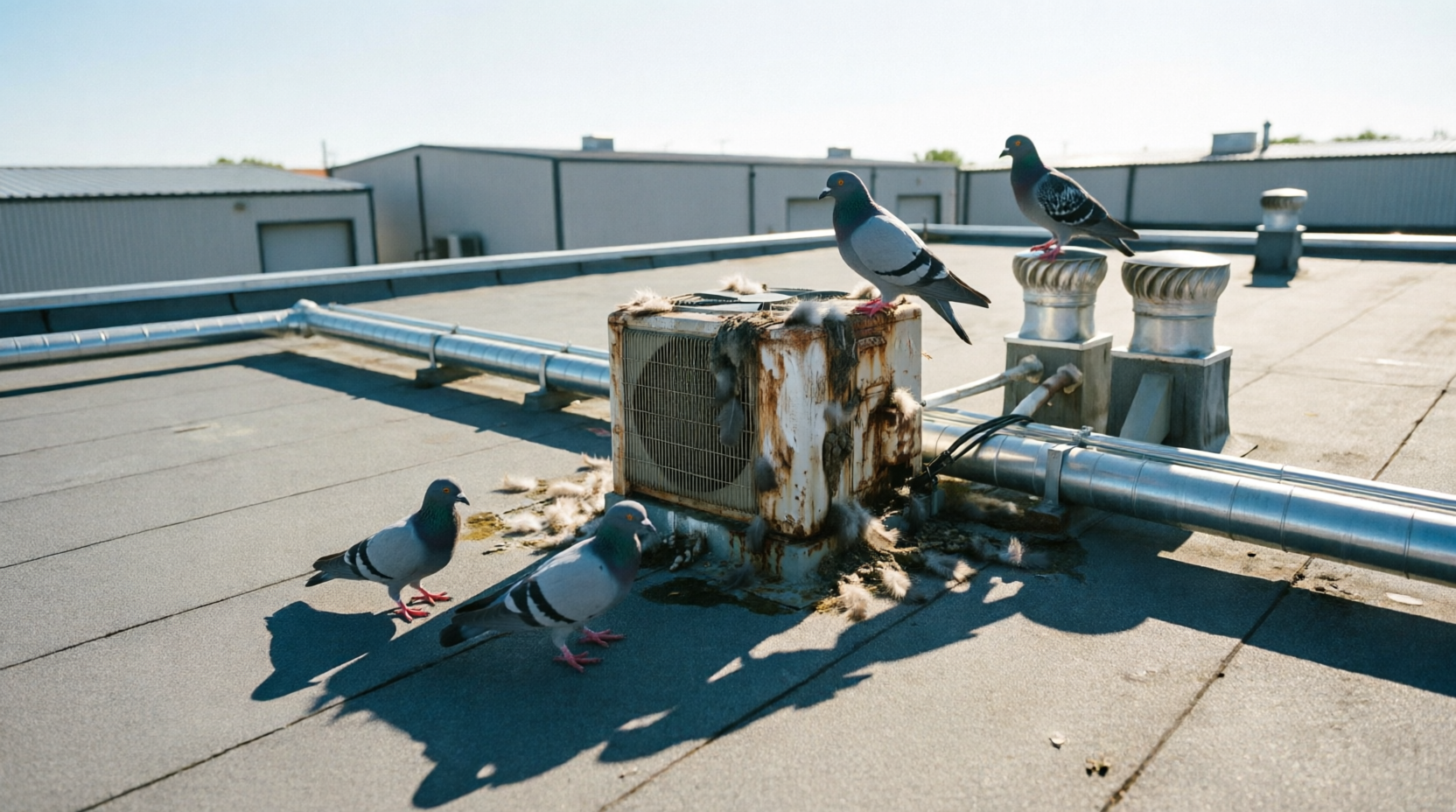

Spring might feel like a fresh start-but for facilities managers, it’s the beginning of the most aggressive (and expensive) season for bird-related issues.
This is nesting season, and that changes everything.
Birds aren’t just passing through anymore-they’re actively searching for safe, elevated, and sheltered places to build nests. And unfortunately, your facility checks every box.
If bird activity is ignored now, what starts as a minor nuisance can quickly escalate into a full-blown operational and financial problem.
During spring, birds shift from feeding behavior to nesting behavior. That means:
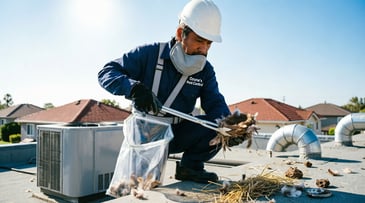
Once a nest is established, the problem compounds fast. You’re no longer dealing with a few birds-you’re dealing with a growing population, increased waste, and mounting damage.
What makes spring so expensive isn’t just the presence of birds-it’s how quickly things escalate.
👉 At this stage, prevention is simple and inexpensive.
👉 Now you’re dealing with cleanup, not prevention.
👉 At this point, costs spike-and options become limited due to nesting protections.
Facilities managers often don’t see the full cost until it’s too late.
These costs can escalate into tens of thousands of dollars depending on the severity.
Preventative measures are significantly lower in cost and far more predictable from a budgeting standpoint.
Here’s the reality: bird problems aren’t random-they’re seasonal and predictable.
Spring is when:
Smart facilities managers use this time to:
Because once birds establish nests, not only do costs increase-but your ability to act quickly decreases.
Spring isn’t just another season-it’s the tipping point.
Ignore bird activity now, and you’re not just risking a nuisance-you’re opening the door to:

But act early, and you stay in control:
If you’re already seeing bird activity, the clock has started.
A quick inspection today can prevent a costly problem tomorrow.
Because in spring, the question isn’t if birds will target your facility-it’s how prepared you are when they do.