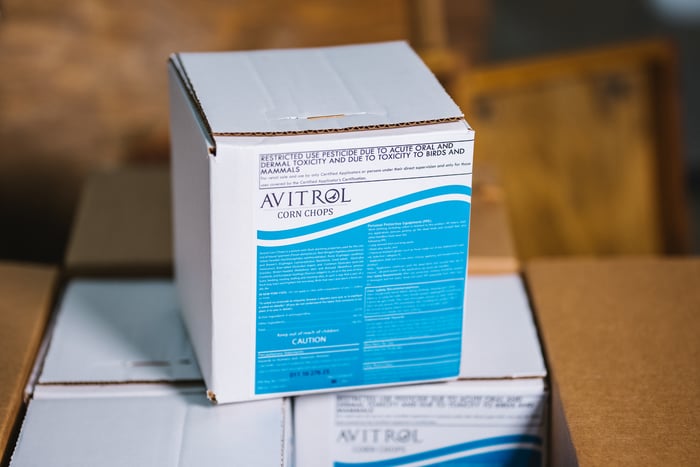
011- Avitrol Medium Corn Chops EPA REG 11649-6 - QUOTE
Looking to repel pest birds? Look no further than Avitrol's Active Corn Chops. Corn ground to a medium gives the taste of corn but little enough for smaller species such as sparrows ingest.


The Christmas season can feel deceptively calm. Snow falls, the air is crisp, and the farm takes on a quiet beauty. But beneath the surface, the holiday stretch brings its own set of challenges, especially from pests that don’t take the season off. Beyond the familiar nuisance of pest birds, winter drives a host of other creatures closer to barns, feed rooms, and livestock, turning even a picturesque farm into a battleground.
As temperatures drop, the barn becomes a haven for mice, rats, and voles. They slip through gaps, gnaw through insulation, and chew wires when the nights grow long and dark. Feed stores, once safely tucked away, often bear the evidence of their visits-droppings, ruined grain, and contamination that seems impossible to prevent. Even the most diligent farms find themselves facing these tiny intruders, multiplying quietly, relentlessly, throughout December.
Raccoons, with their clever paws, appear everywhere warmth and food intersect. Old feed bags torn open, ventilation shafts used as shortcuts, and quiet prowls through the barn at night make their presence known. The risk of parasites and the damage to barns adds an extra layer of stress when winter workloads are already heavy.
Skunks, seemingly slow and harmless, find their way into hidden corners beneath barns and sheds. They bring more than an unpleasant odor-they introduce parasites and sometimes disease, complicating an already tense season. Their quiet intrusion is easy to overlook until the damage is done.
Cold drives predators closer to livestock. Coyotes test fences under cover of darkness, foxes slip into small animal shelters, and poultry housing can be unexpectedly breached. With natural prey scarce, these predators become bolder, turning the winter barnyard into a place where vigilance never rests.
Even in the cold, some insects adapt by moving indoors. Grain beetles, pantry moths, lice, mites, and clusters of flies find warmth in barns and feed storage. Their presence seems minor at first, but by mid-December, infestations can spread, compromising animal health and stored supplies.
Feral cats, often seeking warmth, leave traces of their presence in barns, contaminating bedding and feed, while opossums scuttle through structures, leaving droppings, parasites, and occasional havoc. Both species make winter nights longer and more uncertain for those tending livestock.
Even large wildlife joins the winter struggle. Deer move closer to feed sources, spreading ticks and parasites and sometimes damaging fencing. Their quiet approach reminds that the farm ecosystem doesn’t pause for the holidays-everyone is trying to survive, and the farm bears the consequences.
Looking to repel pest birds? Look no further than Avitrol's Active Corn Chops. Corn ground to a medium gives the taste of corn but little enough for smaller species such as sparrows ingest.
Winter pests create a tension that threads through every barn and feed room. Rodents gnawing, raccoons scavenging, predators circling, insects multiplying, and wildlife pushing closer-each adds weight to the long December days. It’s not just about damage; it’s the constant vigilance, the worry about livestock, feed, and structures, and the never-ending small crises that make the holiday season quietly relentless.
Even with everything else on the farm demanding attention-winter weather, equipment repairs, feed management, and animal care-the last thing anyone wants is to be dealing with pest birds on top of it all. They add another layer of stress, chewing, nesting, and contaminating areas that are already stretched thin.
This holiday season, with so much already on the plate, letting birds take over isn’t an option. Avitrol provides a proven solution to help manage pest birds, giving the farm a little peace of mind amid the winter chaos.
Because when the season is already this demanding, every bit of relief counts.
Fill out the form below, and we'll create a tailored bird control strategy just for you—at no cost! Don’t wait; take control of your property now!