Poultry Farms
Bird Flu
Avian Influenza
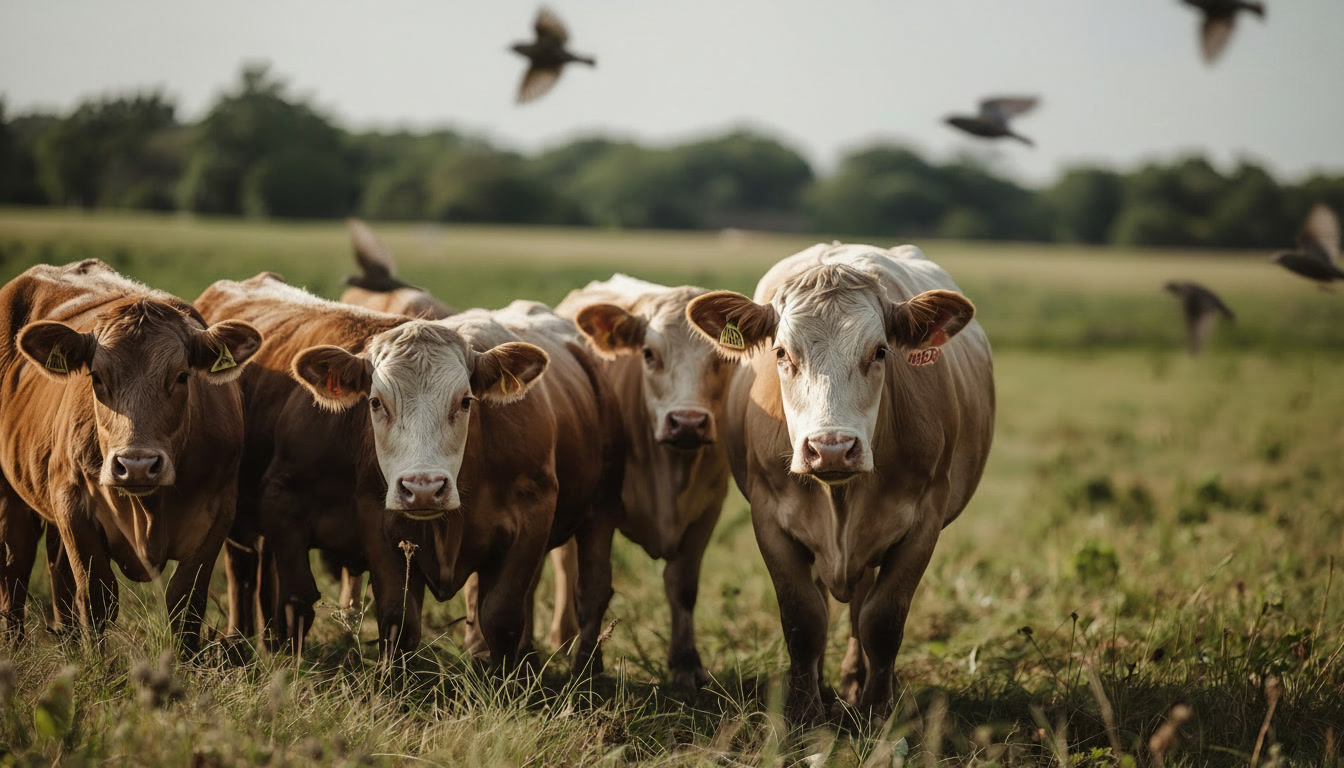

Every spring, something massive happens above our heads-and most people never even notice it.
This week in Michigan, millions of birds are moving north as part of their annual migration. On one night alone, roughly 75,000 birds passed over Clinton County just a few hours after sunset. That’s not an anomaly-that’s the norm during peak migration season.
And while it’s an incredible natural event, it also brings a very real risk to livestock producers: disease transmission, specifically Highly Pathogenic Avian Influenza (HPAI).
Spring migration is one of the busiest times of year for bird movement across North America. According to the Cornell Lab of Ornithology and its BirdCast project-alongside partners like UMass Amherst, University of Illinois, and Purdue-migration follows a predictable but powerful pattern.
Most nocturnal migration happens:
In Michigan, things tend to kick off even earlier, with peak migration often landing in March-especially around areas like Lansing.
The most intense movement usually occurs in the first few hours after sunset. That’s when birds take off in massive numbers, filling the sky in ways you’d never notice unless you’re tracking it.
Species making this journey range from small songbirds like chipping sparrows to waterfowl like buffleheads and larger birds like brown thrashers.
Clinton County isn’t just another dot on the map-it’s a major hub for livestock.
According to USDA data, it’s the second-largest livestock county in Michigan, with:
That density matters. When you combine large livestock populations with heavy bird migration overhead, you create the perfect environment for disease exposure.
Because it’s not just birds passing through-it’s what they leave behind.
Here’s where things get serious.
Highly Pathogenic Avian Influenza (HPAI) is a fast-spreading, highly contagious virus that can move between animals-and wild birds are one of the primary carriers.
As these migratory birds travel, they can spread the virus through:
And the timing isn’t a coincidence.
In 2025, Michigan saw:
Nearly all of those cases happened during migration windows-early spring and late fall.
That pattern is consistent, and it’s exactly why experts are raising the alarm right now.
Spring doesn’t just bring birds-it brings ideal conditions for the virus itself.
Cool, damp environments allow HPAI to survive longer outside a host. That means the virus can linger in water, soil, and surfaces long enough to infect livestock even without direct bird contact.
According to Michigan’s State Veterinarian, Dr. Nora Wineland, even a small number of confirmed cases doesn’t mean the risk is low.
In fact, migration season increases the likelihood of exposure significantly, simply because of the sheer volume of birds moving through the area.
This is where a lot of operations get caught off guard.
You don’t need birds landing inside your barns for there to be a problem.
Risk happens when:
Even indirect exposure is enough.
And for poultry operations, HPAI isn’t just a concern-it’s often fatal.
This isn’t a wait-and-see situation. If you’re managing livestock-especially poultry-this is the time to tighten everything up.
Limit access to your operation. Reduce non-essential visitors and make sure anyone entering follows strict sanitation protocols.
Keep feed covered and secure. Eliminate any chance of wild birds accessing it. The same goes for water-avoid open sources when possible.
Clothing, boots, tools, and equipment should be cleaned and disinfected regularly, especially after exposure to different areas or animals.
Stay alert for any signs of illness. If something seems off, contact a veterinarian immediately. Early detection can make all the difference.
Discourage wild birds from gathering near barns and feeding areas. That might mean adjusting structures, removing attractants, or implementing bird control strategies.
Bird migration is natural. It happens every year, like clockwork.
The issue isn’t the birds themselves-it’s the intersection of wildlife, livestock, and human-managed environments.
When those overlap without proper safeguards, that’s when problems start.
Right now, millions of birds are moving across Michigan-and across much of the country.
Most people will never notice. But if you’re in agriculture, especially livestock or poultry, this is one of the most important times of the year to stay sharp.
Because HPAI doesn’t need a big opening-it just needs one small gap in your biosecurity.
And once it gets in, it moves fast.
Staying proactive now is the difference between staying operational… and dealing with a full-blown outbreak later.