Skip to content
Poultry Farms Dairy Farms Cattle

BioTech For Farms: Science Behind Avitrol Corn Chops

Avitrol Corportation
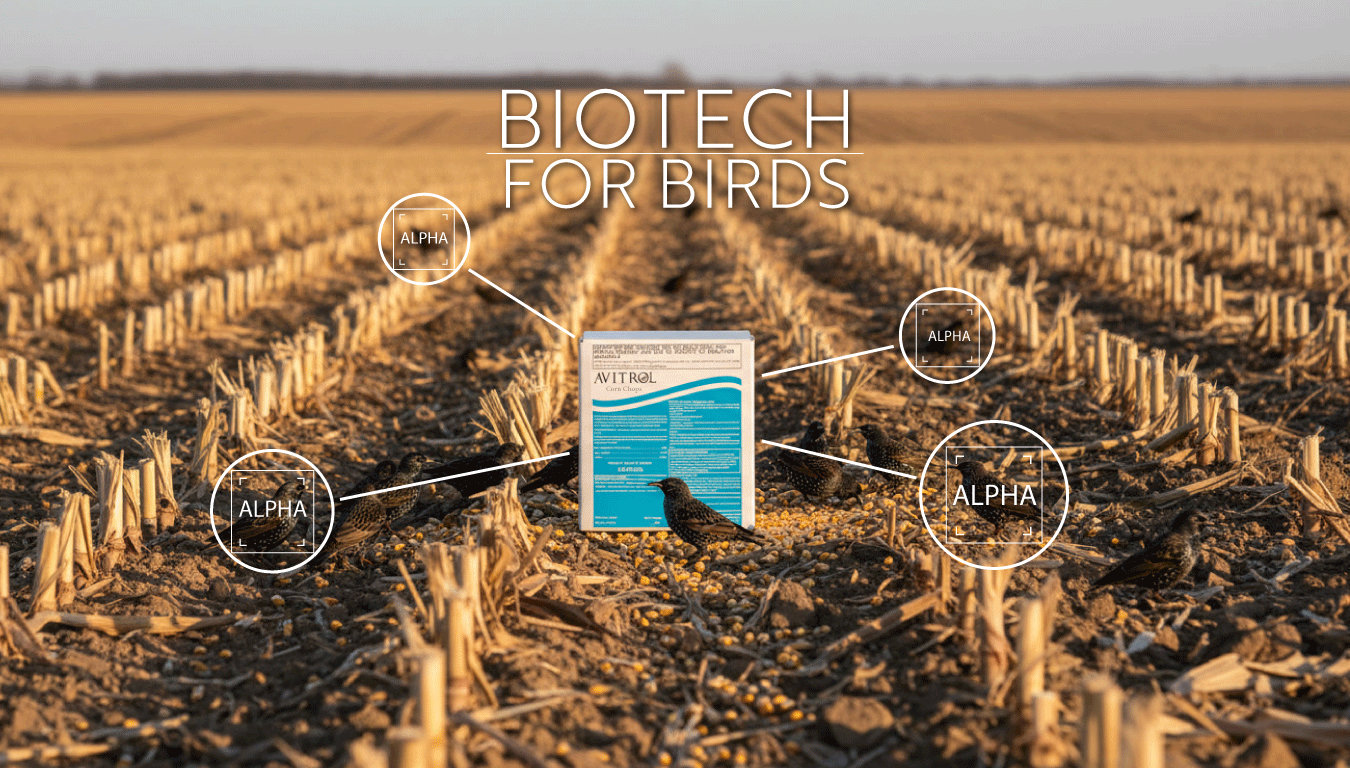
 Flocks of birds on your farm can mean more than just a nuisance-they can damage crops, contaminate feed, and spread disease. That’s why Avitrol CornChops are designed specifically for agricultural settings, offering a science‑based solution that works with bird behavior to protect your property.

🧬 What Avitrol CornChops Are

Avitrol CornChops are a precision‑engineered bird control tool formulated to keep flocks away from sensitive areas like feedlots, dairy barns, vineyards, and crop fields. Instead of relying solely on removal, CornChops use behavioral biotechnology to encourage birds to relocate on their own, making your farm safer and cleaner.


🧠 How It Works: Triggering Flock Dispersal

At the heart of Avitrol CornChops is a unique bio‑engineered grain that affects dominant birds in a flock. When these birds consume CornChops, it activates a natural danger response, signaling to other birds that the area is unsafe.

  • Behavioral response, not random scattering: Birds exhibit alarm behaviors that communicate risk to the flock.
  • Flock dispersal: Observing these cues, the remaining birds leave the area voluntarily, reducing the risk of contamination and crop loss.

This method focuses on changing flock behavior rather than simply reacting after damage has occurred.


🧪 What Makes CornChops “Biotechnology”

Avitrol CornChops are labeled as biotechnology because they are designed to interact directly with bird biology in a controlled and predictable way:

  • A bio-engineered corn grain that reliably triggers survival instincts in dominant birds.
  • Precision application that allows farmers to manage exposure and outcomes across different agricultural settings.
  • A strategy that promotes humane dispersal of birds while protecting your feed, crops, and livestock.

📍 Benefits for Farms and Agricultural Operations

Using Avitrol CornChops helps agricultural professionals:
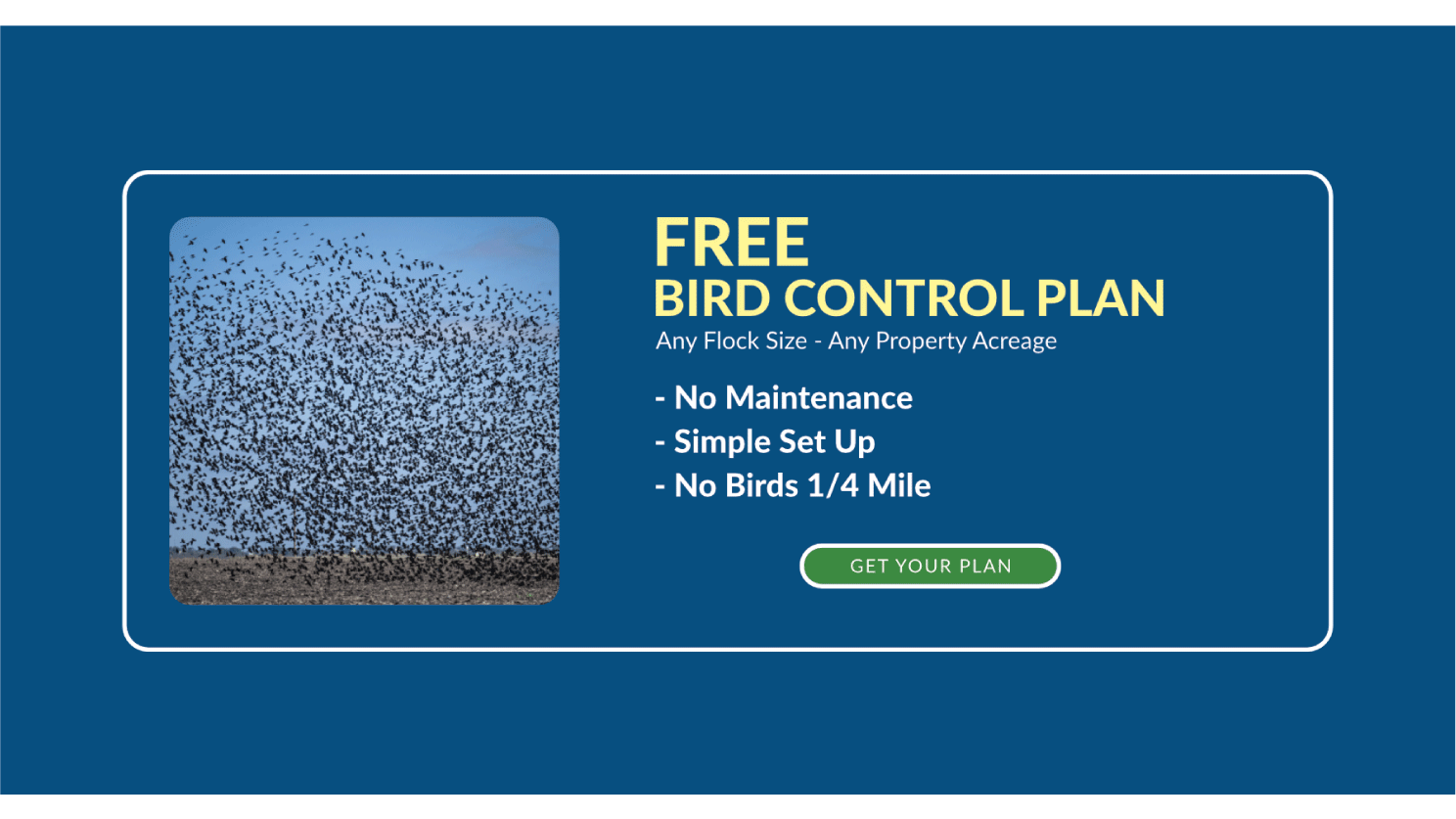
  • Protect crops, silage, and stored feed from bird damage.
  • Reduce contamination risks in dairy barns, stockyards, and poultry areas.
  • Minimize infrastructure damage and cleanup costs caused by roosting birds.
  • Maintain safer and more productive farm operations by reducing bird-related hazards.

Share this post