


Avitrol Easy Blend - Coarse Mixed Grains (EB041)
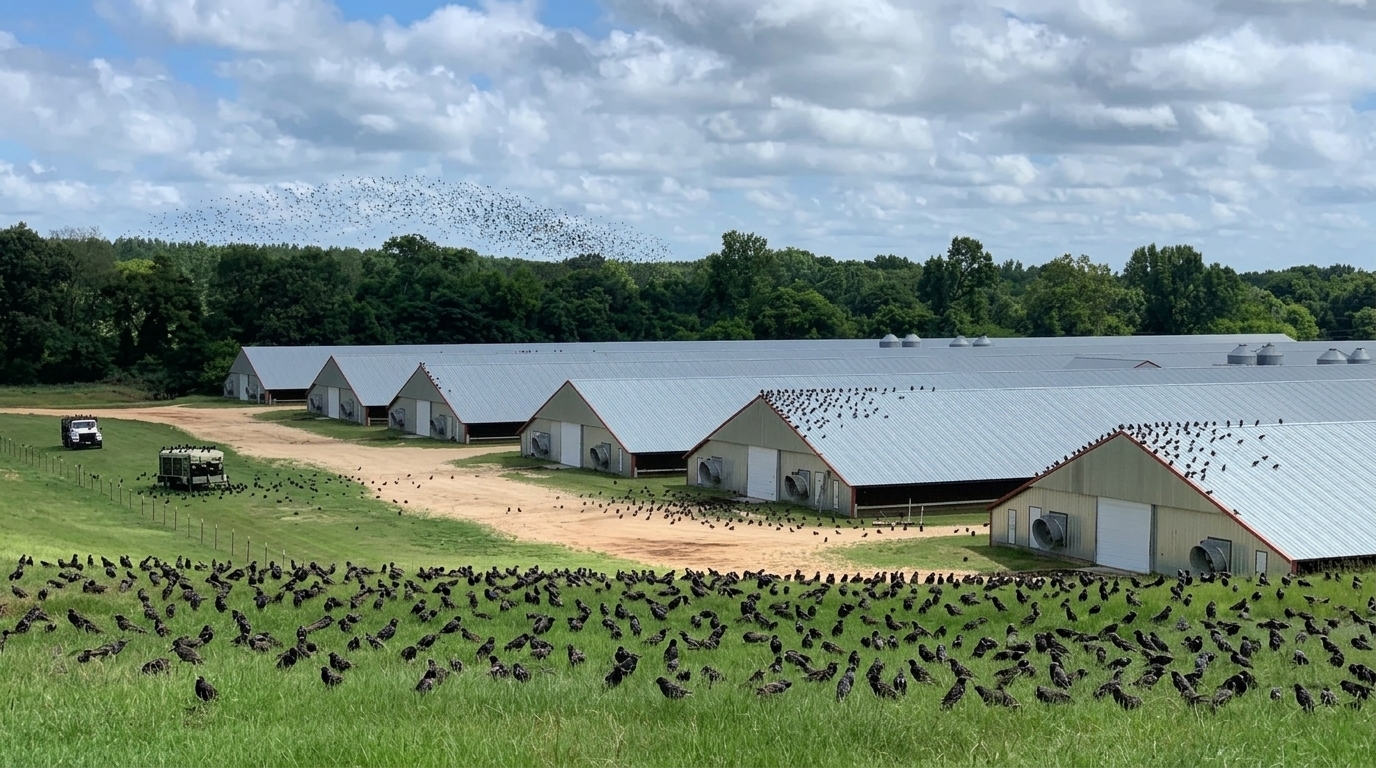
$395.00Transform your space and improve your quality of life with Avitrol Easy Blend—the ultimate solution for effective bird control. Registered in all 50 states, Canada, Puerto Rico, and several Caribbean countries, Avitrol Easy Blend is designed to meet your bird control needs seamlessly. Target Birds: Sparrows, Starlings, Grackles, Cowbirds, and Blackbirds With a permit: Crows, Seagulls, Ravens, Vultures, and Magpies Key Features: Cleaner Environment: Keeps your property free of bird droppings and nests, enhancing cleanliness and appeal. Convenient Packaging: Available in 5lb increments and 50lb bulk boxes, perfect for any job size. Effortless Efficiency: Pre-measured bait for easy mixing and deployment, saving you time and effort. Humane Bird Control: Uses a pain-free active ingredient to deter birds, ensuring peace of mind for bird control when your goal is not to kill For a seamless process, add these essentials to your cart: Untreated Mixed Grains: Conditions birds to recognize the bait site as a safe food source before deploying live bait. Baiting Tray 18” x 12”: Ensures precise and efficient bait deployment for smaller birds, or tighter baiting areas. Baiting Tray 24” x 24”: Ensures precise and efficient bait deployment for Pigeons, Grackles, and Crows in large areas. Mixing Drill Attachment: Simplify the mixing process for perfect consistency. Scale Scoop: Measure with accuracy for optimal results. ** NOTE: This product requires proper state licensing to purchase. Unsure about your license? Contact us at 918-622-7763 (select option 1) or email sales@avitrol.com. For direct support, CLICK HERE or chat with a bird specialist HERE.