
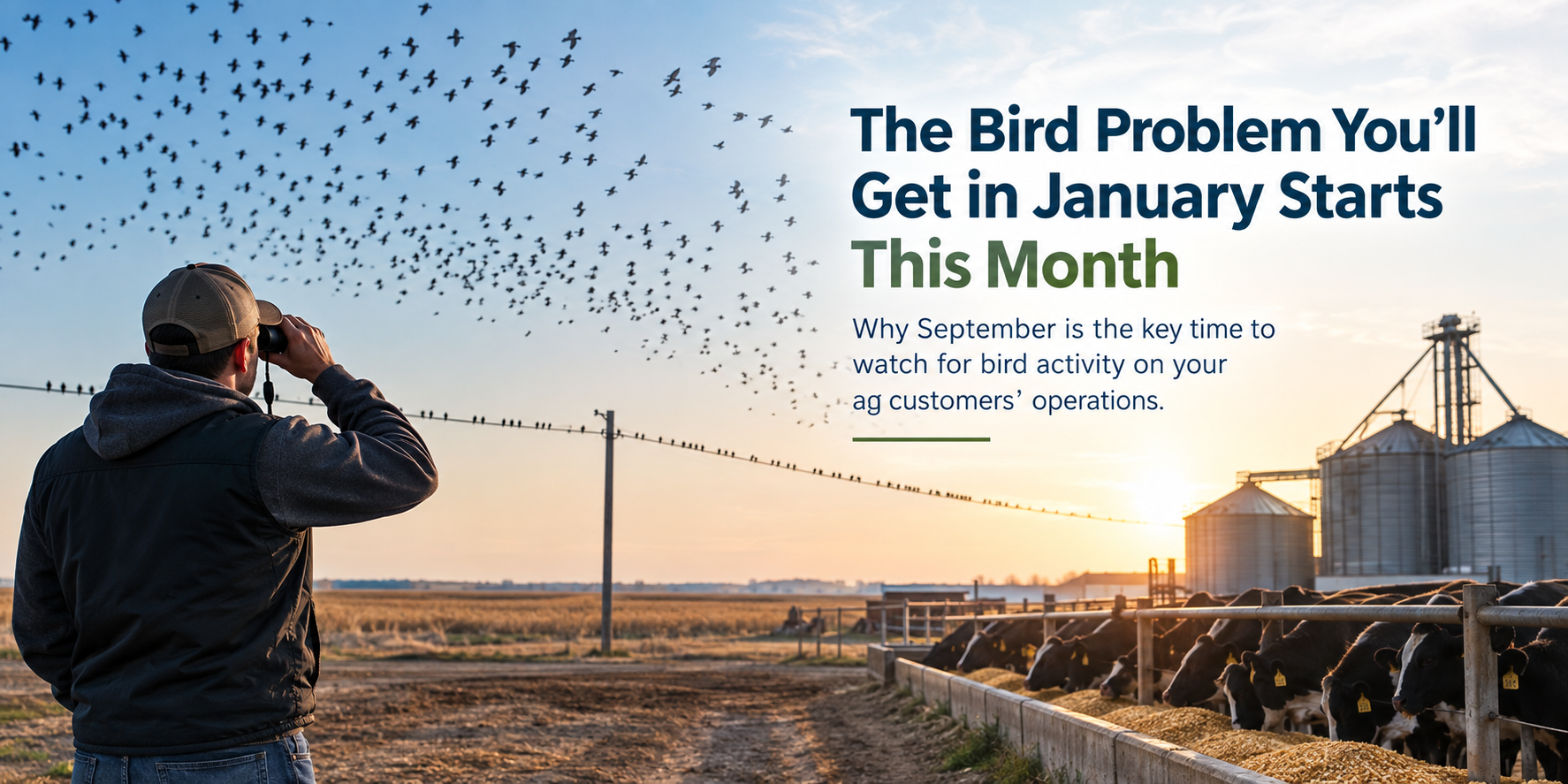
Poultry Farms
Bird Flu
Avian Influenza
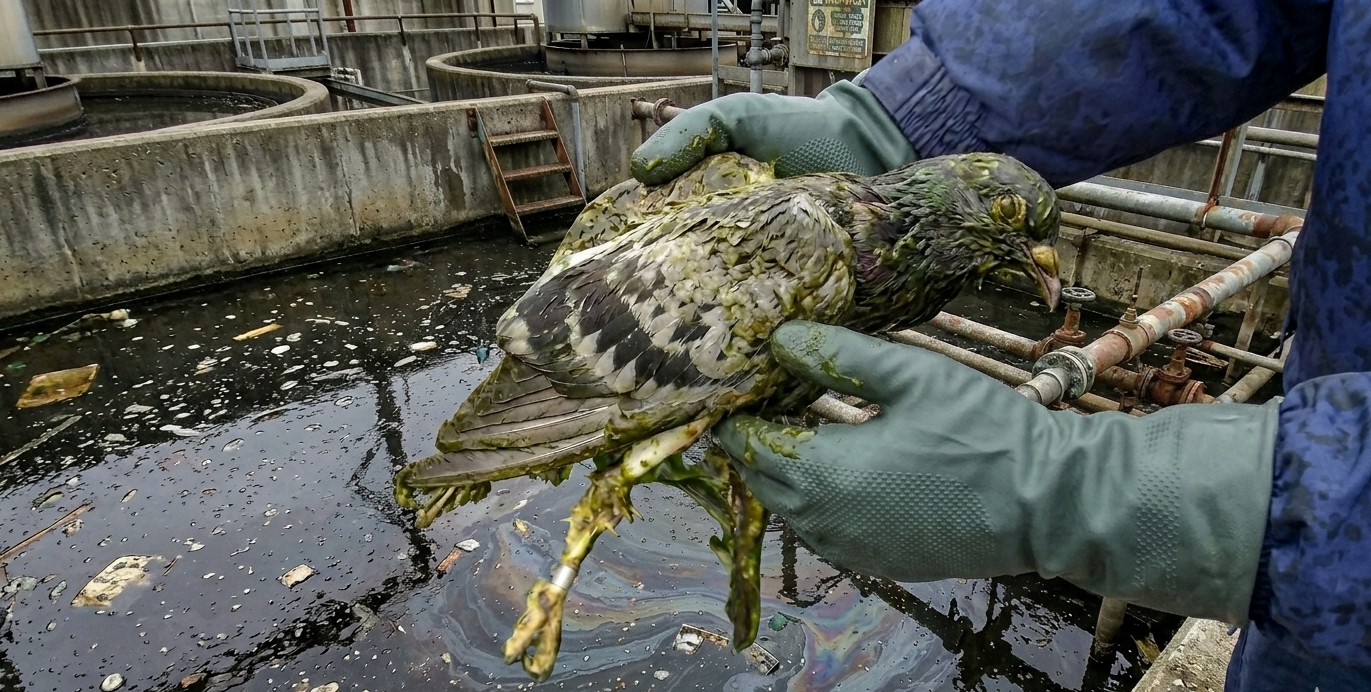

For years, most people associated bird flu outbreaks with poultry barns and commercial chicken farms. But the latest H5N1 developments in the U.S. are showing something much bigger, facilities of all kinds may need to start paying closer attention to environmental contamination risks connected to birds.
The conversation is shifting fast.
This is no longer just about infected birds inside agricultural operations. Researchers and health agencies are now looking closely at how bird flu may move through airflow systems, wastewater infrastructure, loading areas, standing water, and contaminated facility environments.
For facility managers, warehouse operators, food plants, distribution centers, manufacturing sites, and agricultural operations, this matters.
One of the biggest recent developments came from a California dairy farm study published in 2026.
Researchers studying infected dairy facilities found evidence of H5N1 virus particles:
That finding got the attention of facility operators everywhere because it suggests transmission may involve more than direct contact with infected animals.
Infectious particles moving through facility airspace changes the conversation entirely.
Ventilation systems, exhaust fans, air movement patterns, and enclosed workspaces are now being examined as possible contributors to environmental spread within facilities.
Another major concern is wastewater infrastructure.
The California study found viral material in wastewater streams moving through infected dairy operations. That has raised concerns about:
Why does this matter?
Because migratory waterfowl are one of the primary carriers of H5N1 bird flu. Facilities with open water sources can unintentionally create attractive resting and feeding areas for birds that may carry the virus.
This is why many state agencies are warning facilities to reduce bird access around:
One area that continues to get overlooked is loading docks.
Open warehouse doors, food transfer areas, truck bays, and shipping docks create perfect opportunities for birds to enter facilities, roost overhead, and contaminate operational areas.
This becomes even more concerning at:
Bird droppings, feathers, nesting debris, and contaminated dust can all create sanitation and operational concerns.
And during migration seasons, bird pressure can increase dramatically around facilities with easy access to food, water, and shelter.
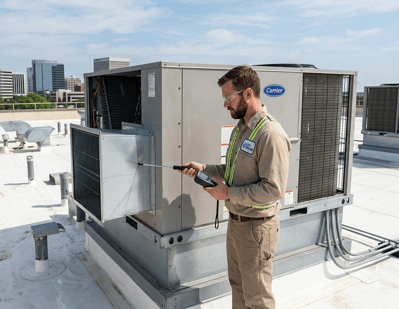
Facility ventilation systems are getting more scrutiny than ever before.
Health agencies are now recommending facilities evaluate:
Bird nesting around rooftop units and ventilation systems has always been a maintenance issue.
Now it may also become part of biosecurity planning.
Facilities with rooftop bird activity near air handling systems should be taking that seriously.
The biggest takeaway from recent H5N1 developments is this:
Bird flu is no longer being viewed strictly as an agricultural issue confined to poultry barns.
Environmental contamination pathways are becoming a major focus.
That includes:
For facility managers, this means bird control and exclusion strategies are becoming more important than ever, not just for cleanliness or nuisance prevention, but for operational protection and risk reduction.
Facilities that ignore bird activity around critical infrastructure may be exposing themselves to bigger sanitation, compliance, and operational problems down the road.
Birds have always created challenges for commercial facilities.
But the latest H5N1 research is changing how those risks are viewed.
What used to be considered “just a bird problem” is increasingly being discussed as an environmental contamination issue that can affect entire facilities through airflow, wastewater systems, infrastructure exposure, and operational vulnerabilities.
As agencies continue studying how H5N1 behaves in real-world environments, facilities that proactively address bird pressure, nesting activity, standing water, and contamination risks will be far better positioned than those waiting until a problem develops.
