
Poultry Farms
Bird Flu
Avian Influenza
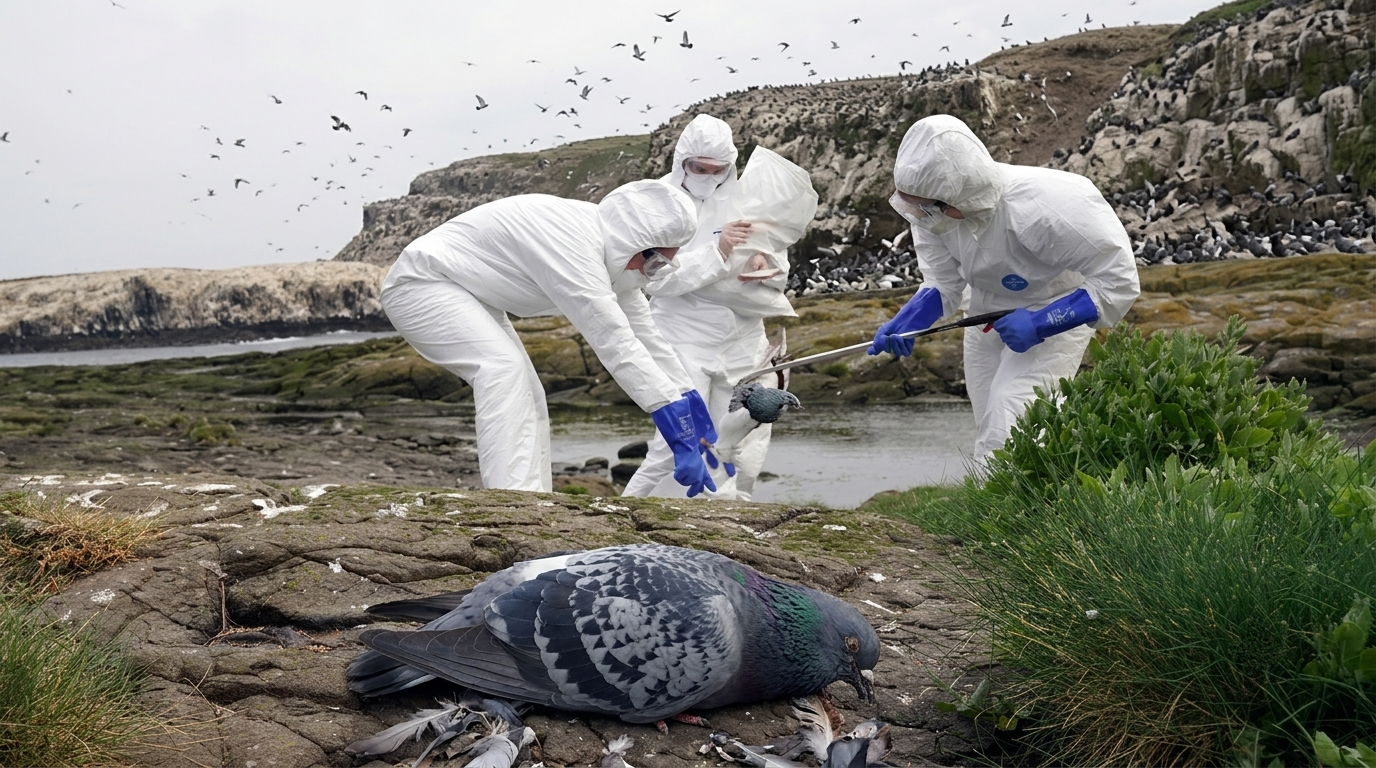

The continued spread of Highly Pathogenic Avian Influenza (HPAI), commonly known as bird flu, has once again placed wild bird management and biosecurity at the center of conversations across the agricultural industry. As H5N1 activity increased during spring migration, poultry producers, grain facilities, feed mills, and commercial agricultural operations have been reminded of a hard reality: wild birds remain one of the most significant biosecurity threats to their operations.
Since the current outbreak began, more than 200 million birds have been affected nationwide, resulting in substantial economic losses and increased pressure on producers to strengthen their biosecurity programs. While many discussions focus on disease monitoring and facility sanitation, one critical component often receives less attention than it deserves, preventing wild birds from establishing themselves around sensitive sites in the first place.
Wild birds are highly mobile and can travel hundreds or even thousands of miles during migration. Along the way, they frequently visit agricultural facilities that provide food, water, and shelter. Grain storage sites, feed mills, poultry operations, dairies, and livestock facilities often create ideal conditions for pest birds such as pigeons, starlings, blackbirds, sparrows, and grackles.
When these birds congregate around a facility, they can create several serious concerns:
Birds are naturally drawn to easy food sources. A small grain spill, open feed storage area, or improperly maintained loading dock can quickly attract hundreds or even thousands of birds. Once established, these populations can become extremely difficult to manage.
Historically, many facilities viewed bird control as a nuisance issue. Today, biosecurity concerns have elevated bird management into a critical operational necessity.
The most successful facilities are no longer waiting until bird populations become overwhelming. Instead, they are implementing proactive prevention strategies designed to discourage birds before they establish feeding and roosting patterns.
This shift has created increased demand for integrated bird management programs that combine:
The goal is simple: reduce the attractiveness of the property and prevent large bird populations from becoming established.
One reason Avitrol products have received increased attention this year is their ability to help facilities address bird pressure before populations become unmanageable.
Unlike many traditional bird control methods that focus primarily on physical exclusion, Avitrol products are designed to target specific feeding birds within a flock. When used according to label directions, treated birds emit distress and alarm reactions that encourage surrounding birds to leave the area.
For facilities facing constant pressure from feeding birds, this can be an important component of a broader bird management strategy.
Feed mills, grain elevators, and agricultural processing facilities often experience recurring pressure from blackbirds, starlings, pigeons, and sparrows.
These birds quickly learn where food is consistently available. Once feeding patterns become established, populations can grow rapidly.
Avitrol programs have helped many facilities:
By making an area less attractive to feeding birds, facilities can often prevent small bird issues from becoming major infestations.
Every bird removed from a sensitive feeding area represents one less opportunity for contamination.
While no single product can eliminate all biosecurity risks, bird population management remains a key component of a comprehensive biosecurity plan. Many agricultural operators view bird control as another layer of protection alongside sanitation protocols, access controls, employee training, and facility maintenance.
When integrated with exclusion and sanitation efforts, Avitrol can help support broader biosecurity goals by reducing bird activity in critical operational areas.
Many of the species creating concerns around agricultural facilities are among the same species commonly targeted through Avitrol programs.
Depending on the product selected and the target species, Avitrol has been used to manage:
These species frequently exploit grain handling facilities, livestock operations, feed storage locations, and food processing sites.
While Avitrol can be an effective tool, it works best as part of a comprehensive bird management program.
Facilities seeing the greatest success typically combine multiple strategies, including:
Reducing food availability is critical.
Facilities should routinely inspect:
Birds are attracted to predictable resources.
Removing standing water, managing vegetation, and reducing harborage opportunities can significantly reduce bird pressure.
When bird populations become established, tools such as Avitrol may help disrupt flock behavior and encourage birds to relocate before larger problems develop.
As concerns surrounding avian influenza continue, bird management will remain a critical part of agricultural biosecurity programs. Facilities that take proactive measures now are often better positioned to avoid costly infestations, contamination issues, and operational disruptions later.
The current bird flu environment has reinforced an important lesson for facility managers and pest management professionals alike: bird control is no longer just about nuisance prevention. It is an essential component of modern biosecurity.
For many operations facing ongoing pressure from pest birds, integrated programs that include sanitation, exclusion, monitoring, and tools such as Avitrol are helping reduce bird activity before it becomes a larger risk to the facility, its products, and its bottom line.
