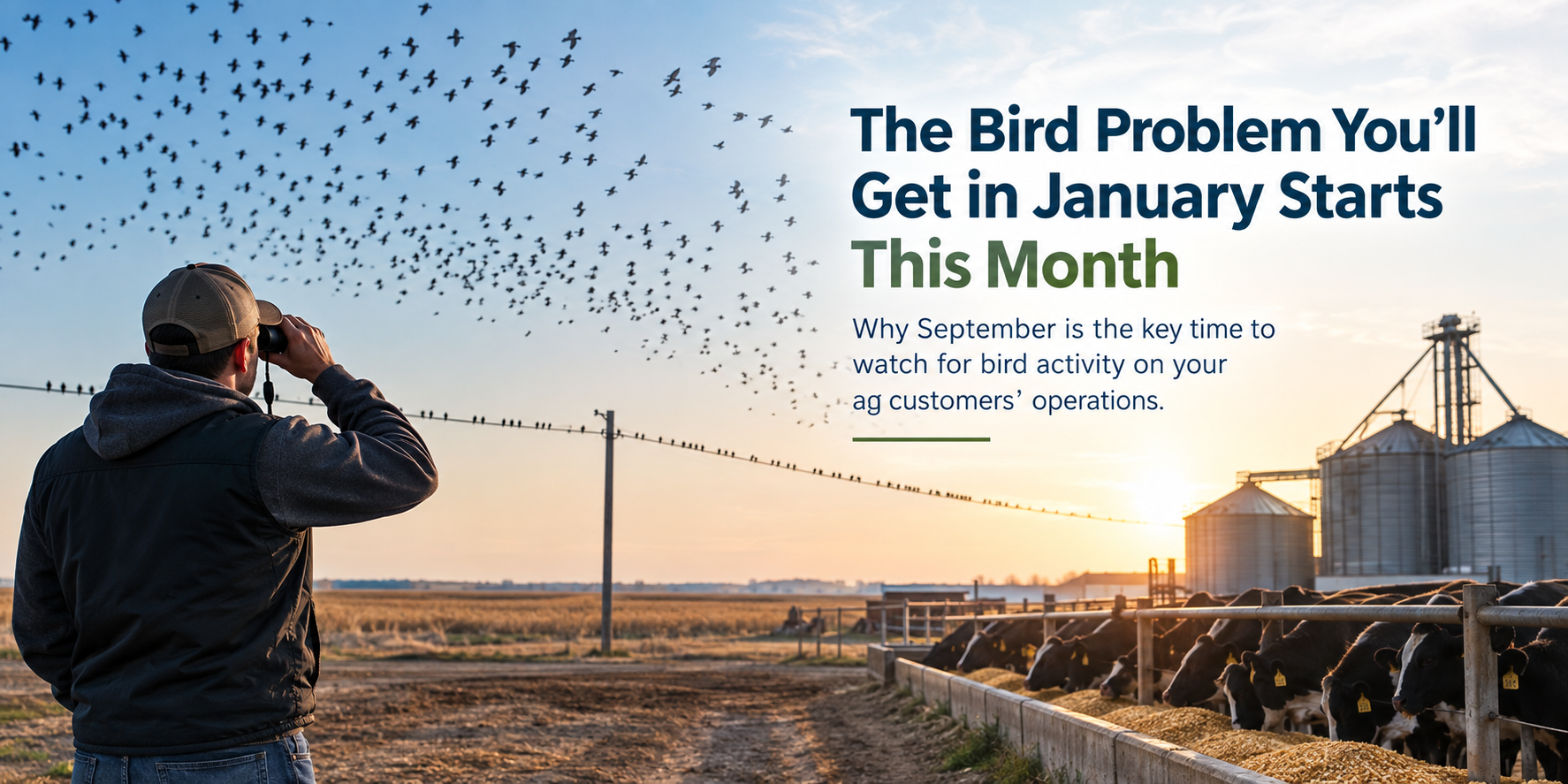
As fall approaches, many facility managers begin preparing for colder weather, increased production demands, and year-end inspections. But one area that often gets overlooked is one of the busiest and most vulnerable parts of a facility: the loading dock.
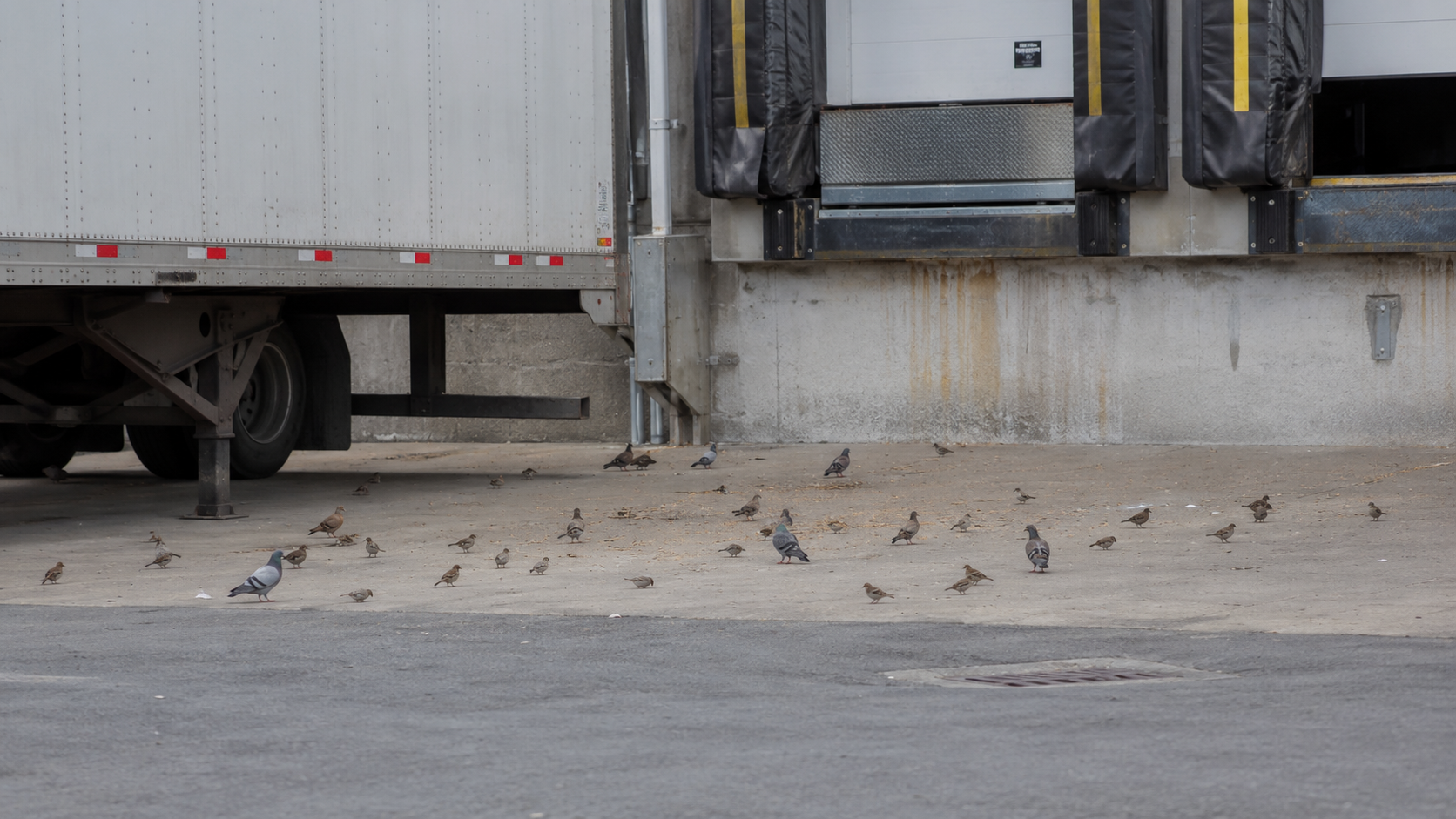
Loading docks are designed for movement. Trucks arrive, doors open, employees move products, and equipment constantly travels in and out. Unfortunately, these same activities create the perfect opportunity for pest birds to enter your building.
Once inside, birds can create serious challenges including product contamination, sanitation concerns, equipment damage, and costly cleanup.
The good news? A proactive approach before fall migration can significantly reduce your risk.
Why Loading Docks Attract Pest Birds
Birds are constantly searching for three things:
- Food sources
- Shelter from weather
- Safe places to roost
Industrial facilities often provide all three.
During fall migration, bird activity can increase as flocks search for reliable food and protected areas. A loading dock with frequent door openings can become an easy entry point into warehouses, food processing areas, distribution centers, and manufacturing facilities.
Once birds discover a safe location, they often return repeatedly, and may attract more birds to the same area.
1. Improve Door Discipline
One of the simplest and most effective ways to reduce bird entry is improving how employees manage dock doors.
A door that stays open longer than necessary creates a wide invitation for birds.
Common problems include:
- Doors left open between deliveries
- Employees propping doors open for convenience
- Slow-loading procedures
- Damaged automatic door systems
- Poor communication between departments
Best practices:
✔ Keep dock doors closed whenever possible
✔ Train employees on the risks of unnecessary open doors
✔ Repair damaged doors immediately
✔ Use automatic closing systems when appropriate
✔ Create clear procedures for loading and unloading activities
Small changes in employee habits can make a major difference.
2. Install Proper Dock Shelters
Dock shelters help create a controlled transition area between your facility and the outside environment.
They provide benefits such as:
- Reducing open gaps around trailers
- Limiting bird access during loading
- Improving temperature control
- Reducing pest entry opportunities
A properly designed dock shelter creates a barrier that makes it harder for birds to enter while allowing normal shipping operations to continue.
However, dock shelters should be inspected regularly. Damaged curtains, gaps, or worn materials can reduce their effectiveness.
3. Use Netting to Protect Vulnerable Areas
Bird netting is one of the most effective exclusion methods for preventing birds from accessing specific areas.
Loading dock areas that may benefit from netting include:
- Overhead beams
- Ceiling spaces
- Interior dock structures
- Covered loading areas
- Large open bays
Netting works by physically blocking birds from reaching preferred nesting and roosting locations.
The key is proper installation.
Poorly installed netting can create gaps where birds squeeze through or areas where birds become trapped.
4. Consider Strip Curtains and Physical Barriers
Strip curtains provide another layer of protection, especially for facilities with high traffic.
They can help:
- Reduce bird access
- Maintain temperature control
- Limit flying pests
- Create separation between indoor and outdoor environments
However, strip curtains must be maintained.
Damaged, missing, or dirty strips may discourage employees from using them properly, reducing their effectiveness.
5. Train Employees to Recognize Bird Risks
Your employees are your first line of defense.
Many bird problems begin because someone notices activity but does not report it.
Employees should know to report:
- Birds entering the facility
- Nests near dock areas
- Droppings around doors
- Feathers or nesting materials
- Birds gathering near dumpsters or storage areas
A simple reporting process can prevent a small issue from becoming a major infestation.
Don't Wait Until Birds Become a Problem
One of the biggest mistakes facilities make is waiting until birds have already established a presence.
By the time birds are nesting or regularly roosting, the problem becomes more difficult and expensive to solve.
Fall preparation should include:
✅ Inspecting loading dock areas
✅ Repairing damaged barriers
✅ Reviewing employee practices
✅ Identifying bird entry points
✅ Scheduling professional inspections if needed
Protect Your Facility Before Fall Migration
Loading docks are essential to your operation, but they are also one of the easiest ways for pest birds to enter your facility.
A proactive bird control plan can help protect:
- Products
- Equipment
- Employees
- Sanitation standards
- Your bottom line
The best time to address bird problems is before migration increases and birds establish new roosting sites.
Don’t wait until birds become a disruption. Prepare your loading docks now and keep your facility protected throughout fall.