Every government agency faces the same challenge: balancing limited budgets while protecting public assets. Preventive maintenance is often one of the smartest investments a municipality can make because it's almost always less expensive than responding to an emergency after the damage has already occurred.
Bird management is no exception.
Too often, bird control is viewed as a reactive expense, something that only deserves attention after residents begin complaining, equipment fails, or large accumulations of droppings create a public health concern. By then, the costs have already escalated.
A proactive bird management budget can help state and local governments reduce emergency maintenance, protect infrastructure, improve public health, and extend the life of valuable public assets.
The Cost of Waiting
Pest birds don't simply create a nuisance. Over time, they can become a significant operational and financial liability.
Without routine inspections and preventive management, bird activity can lead to:
- Roof and building deterioration from acidic droppings
- HVAC contamination that affects indoor air quality
- Blocked gutters and roof drains that contribute to water damage
- Damage to electrical equipment and lighting
- Increased janitorial and sanitation costs
- Slip-and-fall hazards on sidewalks, parking garages, and building entrances
- Public complaints that require additional staff time and resources
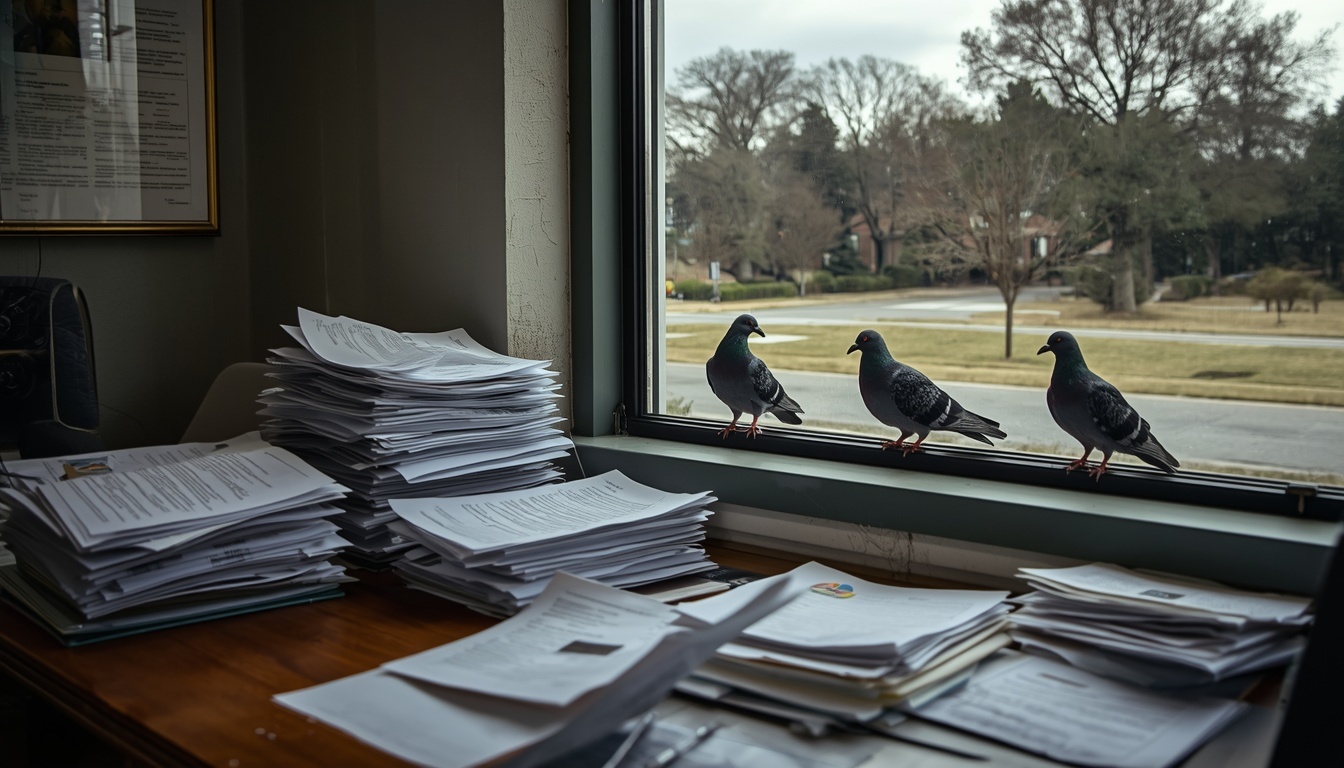
What may begin as a few birds roosting on a government building can quickly develop into a recurring maintenance issue that impacts multiple departments.
Why Public Health Has Changed the Conversation
Bird management has always been about protecting facilities and reducing maintenance costs. Today, it also plays an increasingly important role in public health preparedness.
Highly Pathogenic Avian Influenza (H5N1) continues to circulate among wild birds across North America. While the risk to the general public remains low, public agencies are increasingly responsible for managing facilities where infected wild birds may congregate.
Government properties that may experience increased bird activity include:
- Parks and recreation facilities
- Public works yards
- Waste transfer stations
- Water and wastewater treatment facilities
- Airports
- Transit centers
- Government office complexes
- Public parking structures
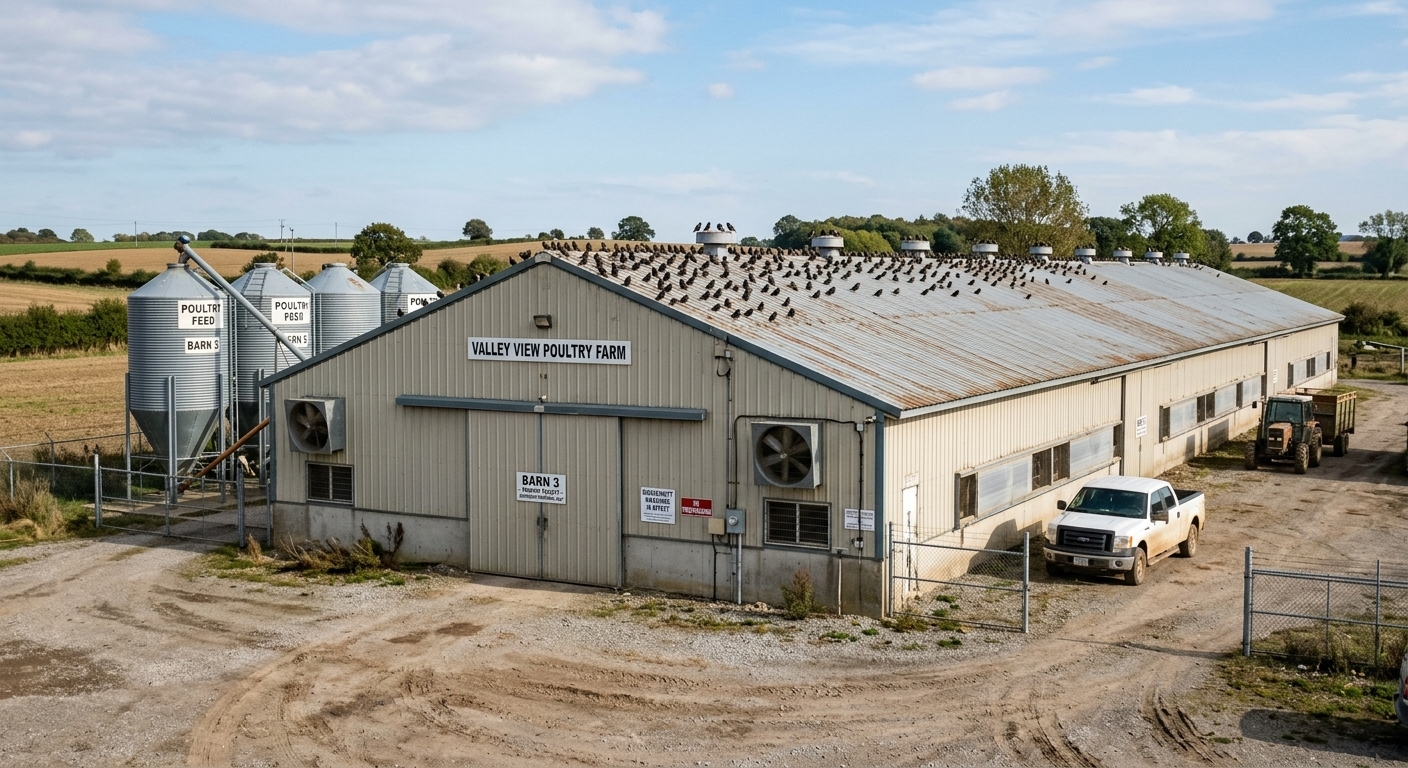
Large concentrations of birds increase the potential for contaminated droppings, feathers, and carcasses that require careful cleanup procedures. Even when H5N1 is not present, accumulated bird waste can harbor bacteria, fungi, and parasites that create health concerns for maintenance personnel and the public.
Preventing large roosts before they develop is often the safest, and least expensive, approach.
Planned Maintenance Costs Less Than Emergency Response
Emergency bird problems are expensive because they rarely involve just one issue.
A single response may require:
- Emergency cleanup crews
- Specialized sanitation procedures
- Building repairs
- Equipment inspections
- Temporary facility closures
- Overtime labor
- Contractor mobilization
- Public communication
These unplanned expenses often come from emergency operating funds rather than scheduled maintenance budgets.
By comparison, proactive bird management allows agencies to:
- Schedule inspections before migration seasons
- Repair exclusion measures during routine maintenance
- Address small bird populations before they become large colonies
- Budget for predictable seasonal services
- Reduce unexpected facility disruptions
Instead of reacting to emergencies, agencies can manage bird pressure as part of their annual maintenance program.
Protecting Public Assets
Government buildings are long-term investments funded by taxpayers.
Bird damage can shorten the lifespan of:
- Roofing systems
- HVAC equipment
- Solar panels
- Signage
- Parking structures
- Historic buildings
- Bridges
- Maintenance facilities
Acidic bird droppings accelerate corrosion on metal surfaces and gradually deteriorate roofing materials, paint, masonry, and concrete.
Routine bird management protects these assets while reducing future capital improvement costs.
Planning Beyond This Year's Budget
The most successful municipalities don't think about bird control as a one-time service. They build it into their long-term asset management strategy.
A multi-year bird management plan may include:
- Annual facility inspections
- Seasonal migration monitoring
- Nest prevention strategies
- Exclusion repairs
- Staff training for identifying early bird activity
- Emergency response procedures for disease outbreaks
- Coordination between facilities, public works, parks, and health departments
This approach helps departments forecast costs, prioritize high-risk facilities, and avoid unexpected expenditures.
Questions Every Agency Should Ask
As budget planning begins, consider these questions:
- Which facilities experience recurring bird activity?
- Are maintenance crews responding to the same locations year after year?
- Have bird-related cleanup costs increased?
- Could preventive measures reduce emergency spending?
- Are facilities prepared to safely respond if H5N1-positive birds are found on public property?
- Does your agency have a documented bird management plan?
Answering these questions today can help prevent costly surprises tomorrow.
Prevention Is a Better Investment
Bird management is no longer just about keeping buildings clean. It is about protecting public infrastructure, supporting employee safety, reducing liability, and strengthening public health preparedness.
With H5N1 continuing to circulate in wild bird populations and maintenance budgets under increasing pressure, proactive planning has never been more important.
The agencies that invest in prevention today are often the ones that avoid the largest emergency expenses tomorrow.
When bird control becomes part of a long-term facilities strategy instead of a last-minute emergency response, taxpayers, employees, and public assets all benefit.