PMP
Pest Control Specialist
Pest Control Professional

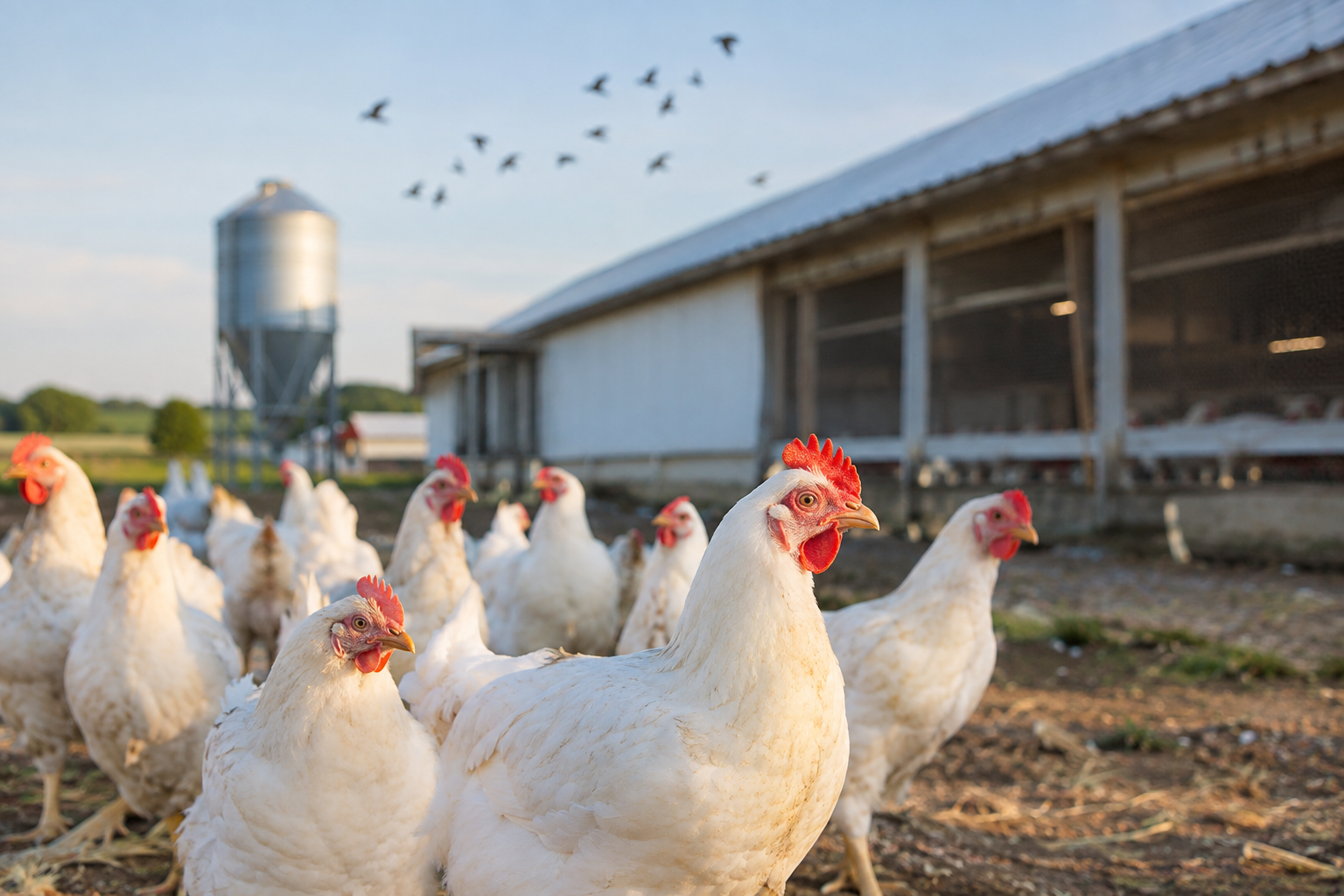
USDA may share up to 75% of the cost of addressing certain high-risk biosecurity concerns identified at eligible commercial poultry operations.
That creates a potential opportunity for PMPs.
USDA is offering eligible poultry operations free, voluntary wildlife biosecurity assessments to identify risks associated with wildlife and recommend ways to reduce those risks.
For PMPs, the opportunity isn't to promise customers that USDA will pay for their bird-control work.
It's to use biosecurity as a reason to start the conversation.
Here are 5 ways to turn that conversation into bird-control opportunities.
Don't start with:
"Do you have a bird problem?"
Instead ask:
Good questions uncover problems the customer may not realize need attention.
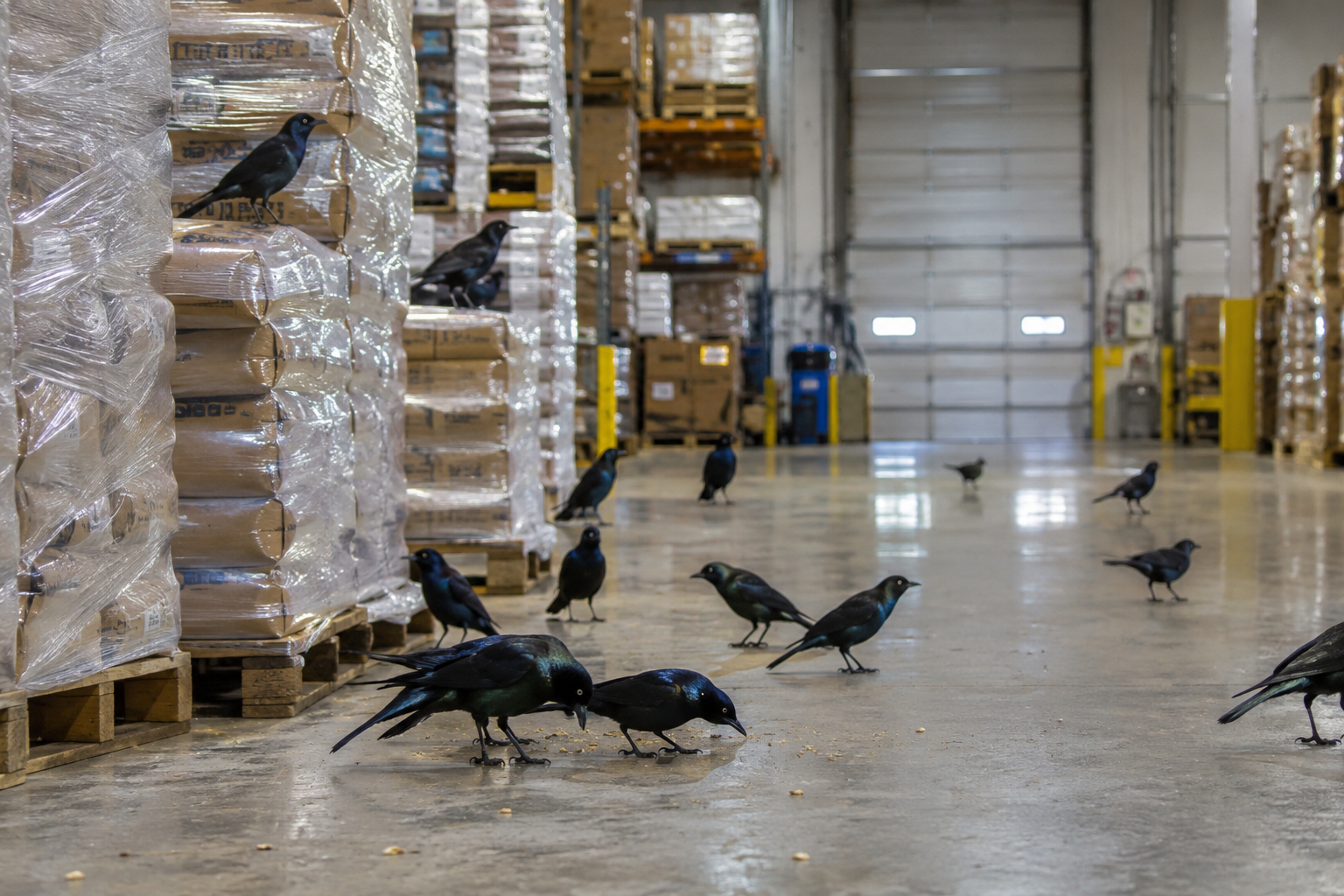
When you're walking an agricultural facility, look for the four things birds need:
Food. Water. Shelter. Access.
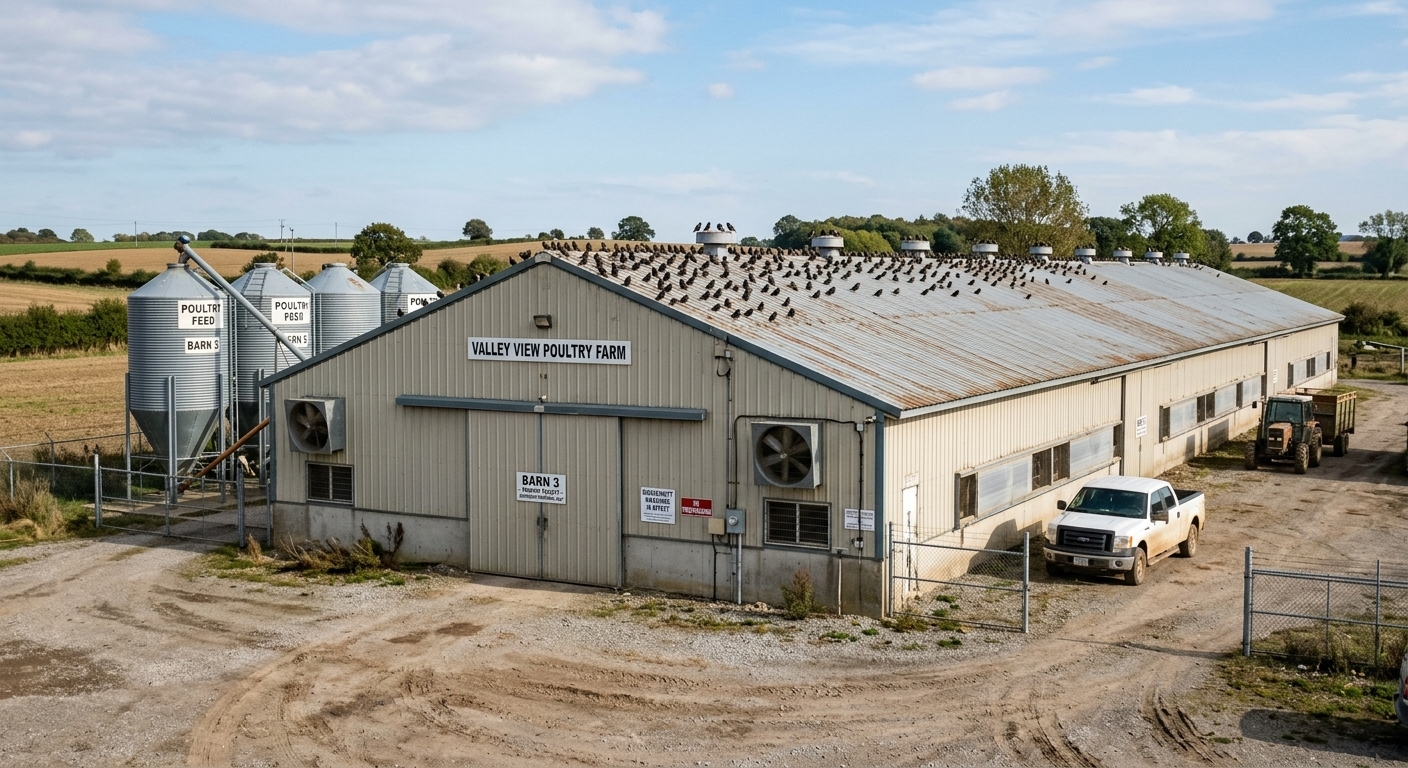
Spilled feed, standing water, protected roosting areas and openings in buildings can all contribute to bird activity.
Find the attractant. Find the entry point. Find the hot spot.
Don't rush to quote a treatment.
Start with a Bird Risk Assessment.
Document:
Now you're not just selling bird control.
You're showing the customer exactly what needs to be fixed.
For poultry producers, birds can be more than a nuisance. Wildlife can create biosecurity concerns.
USDA's current program is designed to help eligible poultry operations identify wildlife-related risks and address the highest-risk issues. Cost sharing can be up to 75%, subject to program requirements and reimbursement limits.
Don't promise USDA funding.
Instead, tell the customer about the program and help them identify the bird-related issues that may need attention.
Don't make the goal:
"Get rid of the birds once."
Build a program:
Inspect → Correct → Monitor → Maintain
Exclusion, deterrents, sanitation recommendations, follow-up inspections and ongoing monitoring can turn a single bird problem into a recurring agricultural account.
The next time you're talking to a poultry customer, try this:
"Has anyone looked at your facility specifically for bird-related biosecurity risks?"
That question can open the door to an inspection, a proposal and potentially a much larger bird-control opportunity.
For PMPs, the opportunity isn't just finding birds. It's finding the risk those birds create, and showing the customer how to solve it.
Important: USDA's cost-sharing program applies to eligible commercial poultry operations and qualifying high-risk biosecurity improvements identified through the program. It is not a blanket 75% reimbursement for all bird-control services.