Fall migration brings millions of wild birds across the United States. While this seasonal movement is a natural part of the year, it can create additional challenges for agricultural operations, poultry facilities, and commercial properties.
One concern receiving increased attention is highly pathogenic avian influenza (HPAI), commonly known as bird flu.
As migratory birds move through different regions, they can introduce disease into environments where domestic poultry and other susceptible animals are present. For facilities with accessible food, water, or shelter, increased bird activity can create additional biosecurity concerns.
A recent update from the University of Minnesota Extension highlights how changing weather conditions, particularly increased rainfall, may influence where migrating birds gather and how they interact with agricultural environments.
For facility managers and agricultural operators, understanding these seasonal changes is an important part of preparing for increased bird activity.
Why Fall Migration Can Increase Bird Activity Around Facilities
As temperatures change, migratory birds begin moving between seasonal habitats in search of suitable food, water, and resting locations.
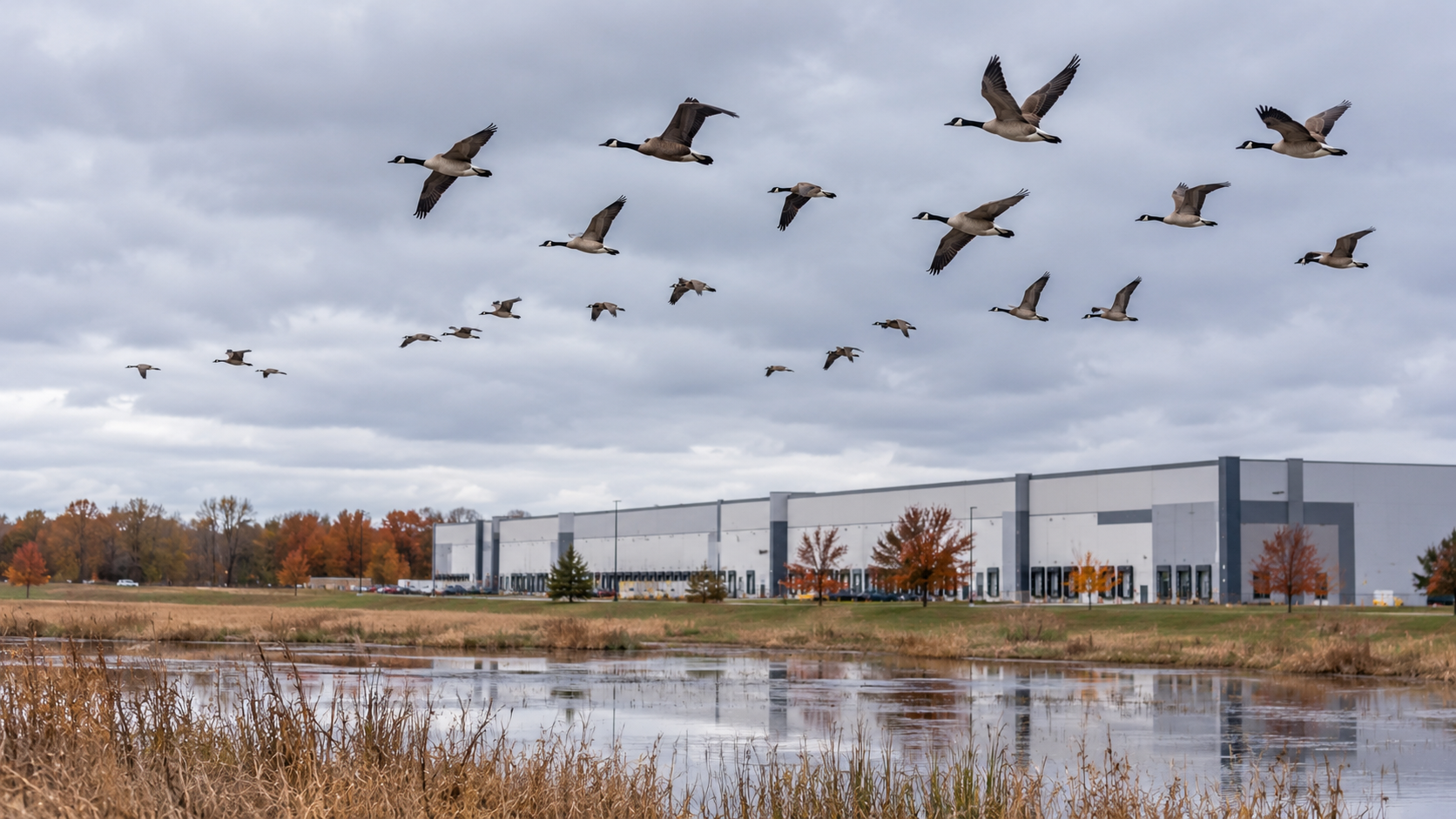
Ducks, geese, and other waterfowl may gather in wetlands, agricultural fields, and areas where standing water provides opportunities to feed and rest.
However, these locations are not always limited to natural environments.
Agricultural properties and commercial facilities can also attract birds when food, water, and shelter are readily available.
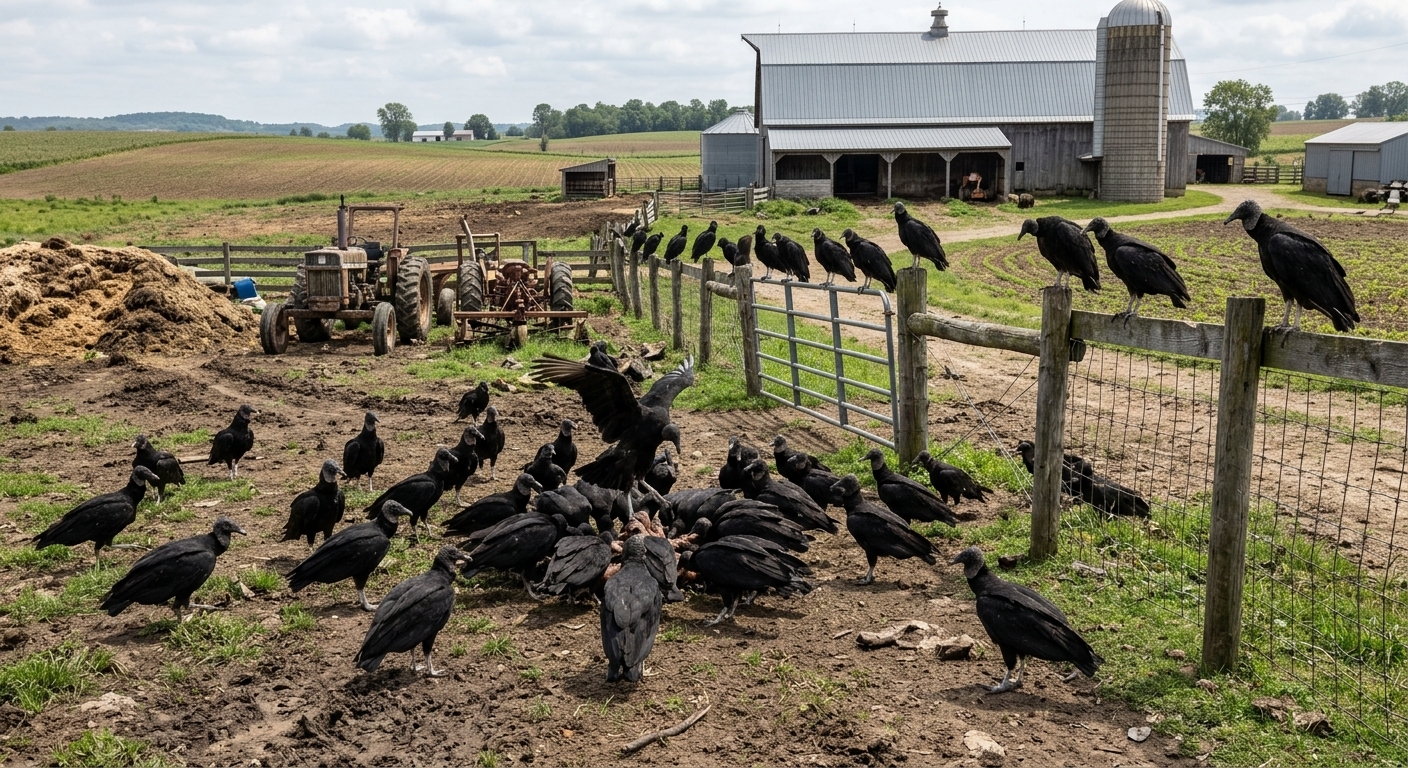
For example, properties with exposed feed, outdoor water sources, grain storage, and accessible waste areas may experience increased bird activity during migration.
The more attractive these locations become, the greater the opportunity for birds to repeatedly gather around the property.
How Increased Rainfall Can Change Bird Movement
Weather conditions can influence where migrating birds travel, feed, and rest.
In its fall 2026 HPAI update, the University of Minnesota Extension discussed how increased rainfall could create additional standing water in agricultural fields.
This matters because temporary pools of water can attract migrating waterfowl and create additional feeding and resting locations.
Instead of concentrating around traditional wetlands, birds may spread across a wider area as new water sources become available.
For agricultural operators, this creates another reason to monitor wildlife activity around their properties.
Fields, drainage areas, livestock operations, and outdoor feeding locations may experience changing levels of bird activity throughout the migration season.
The Connection Between Migratory Birds and HPAI
Wild aquatic birds, particularly waterfowl, are important natural hosts for avian influenza viruses.
Some infected birds may show few or no obvious symptoms, allowing viruses to move through wild bird populations.
When infected birds enter areas occupied by domestic poultry, they can introduce disease through direct contact or contaminated environments.
The virus can spread through infected birds' saliva, respiratory secretions, and droppings.
This creates potential exposure concerns for poultry operations where wild birds can access:
- Outdoor feeding areas.
- Open water sources.
- Feed storage and distribution areas.
- Poultry housing and ventilation openings.
- Areas where domestic and wild birds may come into contact.
Even when wild birds are not entering a poultry building, their activity around the property can create additional biosecurity challenges.
Four Areas Facilities Should Monitor During Fall Migration
Increased bird activity does not always mean a facility has a bird problem. However, identifying locations that attract birds can help operators recognize potential issues before they become more difficult to manage.
1. Standing Water
Inspect drainage areas, low-lying fields, retention ponds, and other locations where rainwater collects.
Standing water can attract ducks, geese, and other waterfowl looking for feeding and resting locations.
2. Open Feed and Grain Storage
Exposed feed is one of the most common attractants for nuisance birds.
Spilled grain, uncovered feed, open commodity bays, and accessible livestock rations can provide reliable food sources for starlings, blackbirds, and other species.
3. Building Openings and Ventilation
Inspect ventilation openings, damaged screens, loading doors, and structural gaps.
Birds entering buildings can introduce feathers, droppings, and nesting materials into areas where sanitation and biosecurity are important.
4. Rooftops and Exterior Structures
Rooftops, ledges, equipment housings, and sheltered areas can provide convenient locations for birds to gather and roost.
Watch for repeated activity, particularly around locations close to food storage, livestock areas, and sensitive operations.
What Can Facilities Do to Reduce Wild Bird Exposure?
Managing wild bird activity should be part of a larger biosecurity and facility-maintenance strategy.
While no single bird-control method can eliminate the risk of HPAI, reducing opportunities for wild birds to interact with domestic animals and sensitive areas can help support preventative efforts.
Some important steps include:
- Keep feed covered and limit access to exposed food sources.
- Clean up spilled grain and livestock feed.
- Repair damaged screens and openings around buildings.
- Use appropriate exclusion measures to prevent birds from entering sensitive areas.
- Eliminate unnecessary standing water where practical.
- Monitor areas where wild birds regularly gather.
- Follow established cleaning, sanitation, and biosecurity procedures.
Facilities should also have procedures for employees who encounter sick or dead wild birds. Employees should avoid handling these birds and report unusual wildlife mortality to the appropriate state wildlife or agricultural authorities.
For poultry and livestock operations, bird management should complement established veterinary and biosecurity protocols.
Why Proactive Bird Management Matters
One of the biggest challenges with seasonal bird activity is waiting until the problem becomes obvious.
By the time large flocks begin gathering around a property, birds may already have established regular feeding or roosting locations.
This can lead to increased droppings, sanitation concerns, equipment contamination, and additional maintenance requirements.
For agricultural facilities, the concern extends beyond property maintenance. Wild bird activity around feed, water, and animal housing can create additional biosecurity challenges.
Understanding where birds are gathering, what is attracting them, and how they are accessing the property allows facility managers to make better decisions about preventative bird management.
Is Your Facility Prepared for Fall Migration?
Fall migration is a reminder that bird activity can change throughout the year.
Increased rainfall, temporary standing water, accessible feed, and suitable roosting locations can all influence where birds gather.
For facility managers, poultry producers, and agricultural operators, now is the time to evaluate properties and identify potential wildlife exposure points.
Bird control is not a replacement for a comprehensive biosecurity program, but it can be an important part of protecting buildings, livestock, and daily operations.
Don't wait until migrating birds become an established problem. Identify the attractants, evaluate your property, and develop a bird-management strategy before activity increases.