
PMP
Pest Control Specialist
Pest Control Professional


Bird control bait can be an effective tool for managing certain pest bird problems, but using it safely requires much more than simply identifying where birds are feeding.
For bird control professionals, the challenge is finding the right balance between controlling the target bird population, protecting non-target animals, following regulations, and minimizing risks to people and the environment.
When dealing with species such as starlings, blackbirds, and other pest birds, every site presents different challenges. Feeding habits, bird identification, environmental conditions, and the presence of other wildlife can all influence how safely a bird control program can be conducted.
Understanding these challenges is essential for professionals who work with Avitrol bird control products.
One of the biggest challenges in bird control baiting is knowing exactly which species is causing the problem.
A facility may have hundreds of birds feeding around a loading dock, agricultural operation, warehouse, or commercial property. However, not every bird present will necessarily be the target species.
Different birds have different feeding behaviors, dietary preferences, and levels of responsiveness to bait.
For example, a property experiencing starling activity may also have sparrows, pigeons, grackles, or other birds visiting the same feeding areas.
Bird identification is product identification.
Before considering a bait-based control program, professionals need to understand which species are present and whether protected birds could be affected.
Misidentification can create unnecessary risks and potentially place a bird control professional in violation of applicable wildlife regulations.
The more accurately a professional identifies the birds causing the problem, the better equipped they are to determine whether baiting is an appropriate option.
Bird control professionals rarely work in environments where only one species is present.
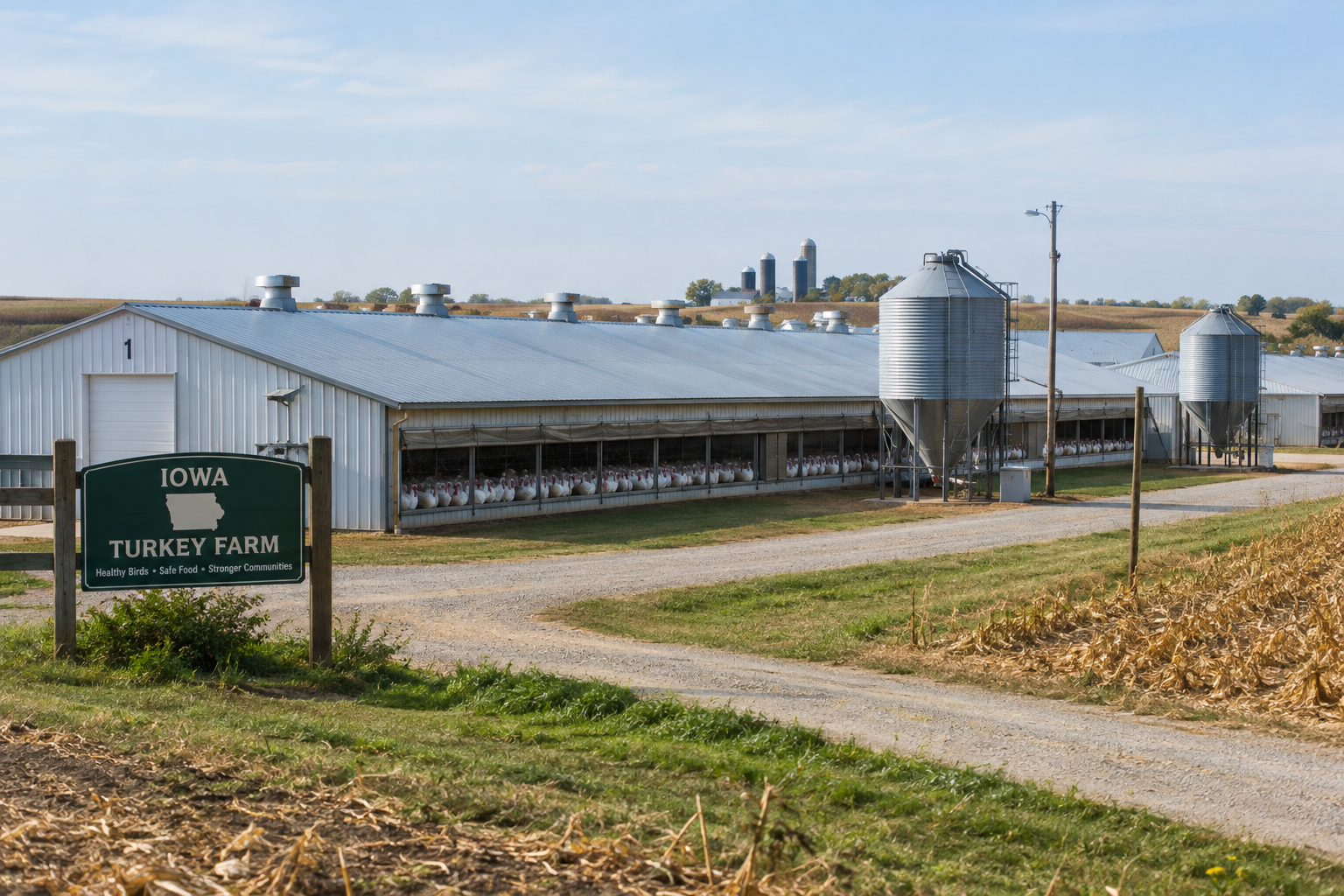
Agricultural facilities, food processing plants, warehouses, and commercial buildings can attract multiple bird species, along with other wildlife.
This creates one of the most important safety challenges associated with bird control bait.
Non-target animals may encounter bait intended for a specific pest bird species.
Potential concerns include:
Professionals must evaluate the surrounding environment rather than focusing  exclusively on the target population.
A successful bird control program requires understanding what else lives, feeds, and moves around the property.
This is particularly important at agricultural facilities, where feed, water, livestock, and wildlife can interact throughout the day.
Bird control professionals often work around employees, customers, contractors, livestock handlers, and property managers.
That means bait safety is not limited to the person conducting the work.
People may encounter bait during placement, storage, transportation, monitoring, or cleanup.
Commercial properties can present additional challenges because employees and visitors may move through the same areas where bird activity occurs.
Agricultural operations also require careful consideration of workers who regularly handle feed, equipment, and materials.
Professionals should evaluate:
A bird control program should never depend on people simply staying away from an area without appropriate safety measures.
Professionals must follow the applicable product label, establish appropriate site controls, and communicate relevant precautions to the people responsible for the property.
Bird activity is influenced by weather, food availability, shelter, and seasonal behavior.
These same environmental conditions can create challenges for bird control professionals.
Rain, wind, runoff, and changing site conditions may affect the surrounding environment and create concerns about unintended exposure.
For example, an agricultural facility may have open feeding areas, drainage channels, livestock watering locations, and wildlife activity concentrated in the same general area.
A warehouse may have bird feeding activity near dumpsters, loading docks, or areas exposed to rain. 
Professionals need to understand how the property functions before selecting a control strategy.
Environmental considerations include:
The goal is to prevent a bird control program from creating additional problems elsewhere on the property.
Even when a target species has been correctly identified, bird behavior can make bait-based control difficult.
Birds do not respond consistently to unfamiliar food sources.
Their feeding habits may change depending on:
At agricultural facilities, birds may have access to multiple food sources throughout the property.
A dairy, feedyard, or grain operation may provide abundant feed in several locations.
This can influence bird activity and make it difficult to determine whether a control program is addressing the underlying problem.
Professionals need to understand the feeding environment rather than assuming that bird presence automatically means bait will be accepted.
The bigger question is often why the birds are there in the first place.
If a facility provides abundant food, shelter, and roosting opportunities, those conditions may continue attracting birds even when a control effort is underway.
Bird control professionals must understand that not every bird species can be managed using the same methods.
Federal and state wildlife regulations may restrict the management of certain species.
The use of bird control products can also be subject to specific pesticide regulations, product labeling requirements, application restrictions, and licensing requirements.
These restrictions may vary depending on:
Professionals should never assume that a product authorized for one situation is automatically appropriate for another.
The product label is a critical source of information for determining permitted uses and required precautions.
Before conducting any bait-based bird control program, professionals should verify that the product is authorized for the intended use and that all applicable requirements can be met.
When the situation is unclear, qualified professional guidance and consultation with the appropriate regulatory authorities are essential.
Bird control does not end when a treatment is completed.
Monitoring and cleanup are important responsibilities for professionals working with bird control bait.
Depending on the product and its labeling requirements, professionals may need to monitor the treatment area, collect affected birds, manage remains, and address uneaten bait.
These activities help reduce the possibility of additional exposure.
They also provide valuable information about the site.
Professionals can evaluate whether bird activity has changed, whether the original problem is continuing, and whether additional management measures are needed.
A responsible program should account for the entire process, from the initial site assessment through the completion of monitoring and cleanup.
This is especially important at commercial and agricultural properties where bird activity may involve multiple feeding areas and large numbers of animals.
Avitrol provides bird control products for professionals managing pest bird problems in commercial, industrial, and agricultural environments.
However, choosing a product should begin with understanding the site and the birds involved.
Professionals should consider the species causing the damage, the surrounding environment, the available food sources, and the applicable product requirements.
Avitrol product selection should always be based on the authorized use, product label, and the specific conditions of the property.
For professionals working with Avitrol products, responsible bird management includes:
1. Start with a site assessment.
Identify the target species, feeding locations, roosting areas, and conditions contributing to the bird problem.
2. Evaluate the surrounding environment.
Consider other birds, wildlife, people, livestock, water sources, and potential exposure pathways.
3. Verify product requirements.
Review the applicable label and confirm that the intended use is authorized.
4. Establish appropriate safety procedures.
Address access, handling, storage, monitoring, and cleanup according to the product requirements.
5. Evaluate the entire bird problem.
Consider exclusion, sanitation, food-source management, and other appropriate control measures alongside the selected strategy.
The goal is not simply to remove birds from a property.
It is to develop a bird management program that addresses the problem while protecting people, non-target animals, and the surrounding environment.
For bird control professionals, the best starting point is always a thorough site assessment. Understand the birds. Evaluate the environment. Follow the product requirements. Consider the people and animals that could be affected.
And remember:
Effective bird control starts with understanding the problem before choosing the solution.
Learn more about Avitrol bird control products and professional bird management solutions.