Poultry Farms
Bird Flu
Avian Influenza

Thanksgiving is just around the corner.
Families are preparing their holiday meals, grocery stores are stocking up on turkeys, and poultry producers are entering one of the busiest periods of the year.
But a new bird flu detection in Iowa is raising concerns about poultry production as we head into the holiday season.
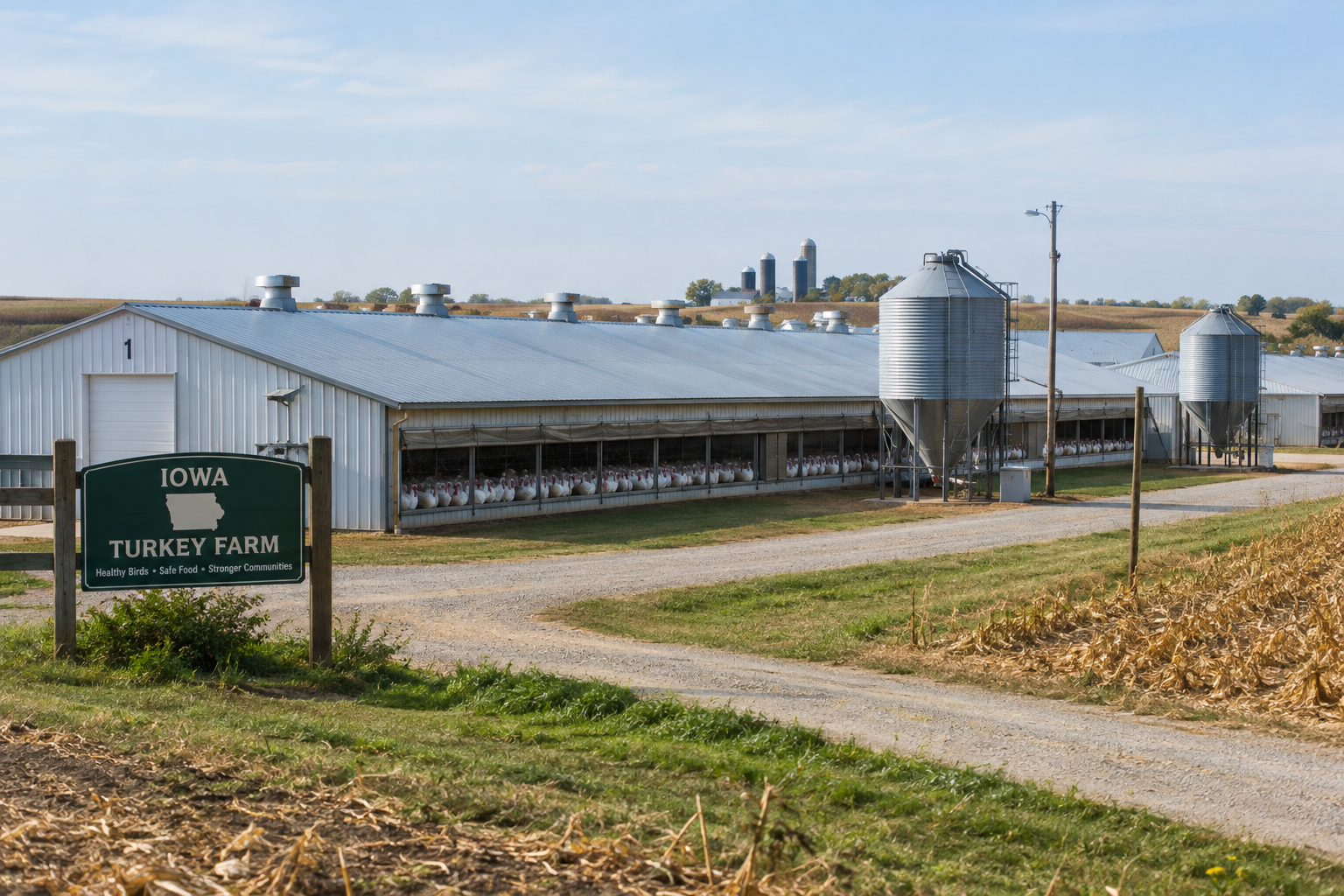
On October 28, 2026, the Iowa Department of Agriculture and Land Stewardship and USDA confirmed highly pathogenic avian influenza (H5N1 HPAI) in a commercial turkey flock in Sac County.
Approximately 44,000 turkeys were affected.
This marks Iowa's eighth detection of HPAI in 2026.
And the timing is important.
With Thanksgiving approaching and fall migration bringing wild birds into agricultural areas, poultry producers are facing another reminder of how quickly bird flu can threaten commercial operations.
The question now is whether outbreaks like this could affect turkey availability, prices, and the poultry industry's ability to meet holiday demand.
The detection of bird flu in a commercial turkey flock raises an important question for consumers.
Could there be fewer turkeys available for Thanksgiving this year?
The answer depends on how widespread the outbreaks become and how much production is affected.
The Iowa detection involved approximately 44,000 turkeys.
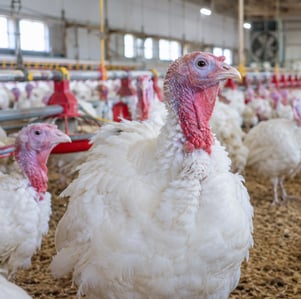
When HPAI is confirmed in a commercial poultry operation, affected birds may need to be depopulated to prevent further disease spread.
That means those birds cannot enter the food supply.
But one affected flock does not automatically mean Thanksgiving turkey shortages.
The United States produces millions of turkeys each year, and the impact of an individual outbreak depends on the size of the affected operation, its production schedule, and the broader poultry industry's ability to supply the market.
However, when multiple commercial operations experience outbreaks, the cumulative effect can become more significant.
Additional outbreaks could:
The important distinction is that this Iowa outbreak does not establish that Thanksgiving turkey shortages or price increases will occur.
It does, however, highlight why poultry producers are paying close attention to bird flu as the holiday season approaches.
The timing of this outbreak is especially important because fall migration is underway.
Every year, wild birds travel across North America as they move between breeding and wintering areas.
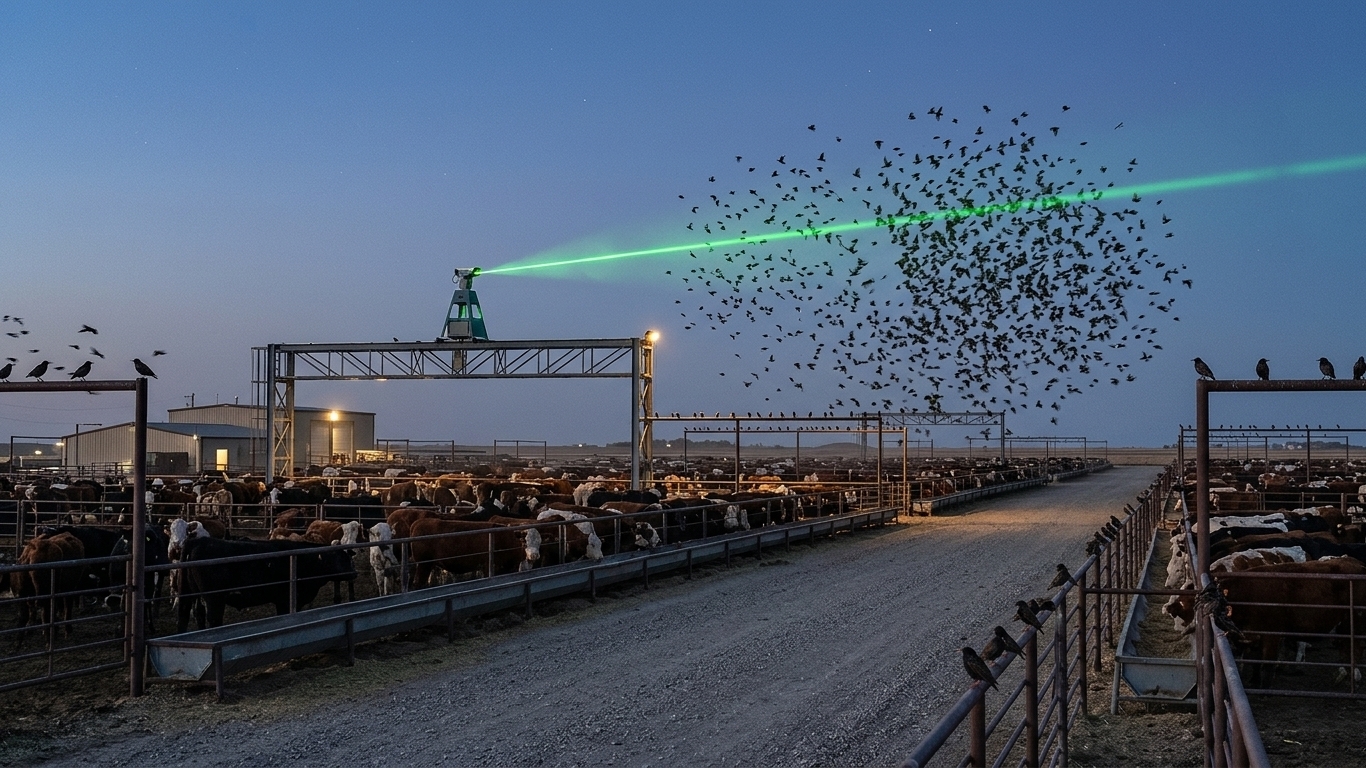
Waterfowl, blackbirds, and other species can travel through agricultural regions, stopping to feed, rest, and find water.
And poultry operations can provide attractive environments for those birds.
Feed storage areas, standing water, grain spills, and surrounding agricultural land can create opportunities for wild birds to gather.
The problem is that H5N1 can circulate in wild bird populations.
According to Iowa agriculture officials, wild birds can carry the virus without appearing sick.
That creates a challenge for poultry producers.
A wild bird may not show obvious signs of illness while still potentially contributing to disease exposure.
This is why agricultural biosecurity focuses on reducing contact between wild birds and domestic poultry.
The concern is not simply whether birds enter a poultry barn.
It is also whether wildlife activity around the facility creates opportunities for contaminated material to reach domestic birds.
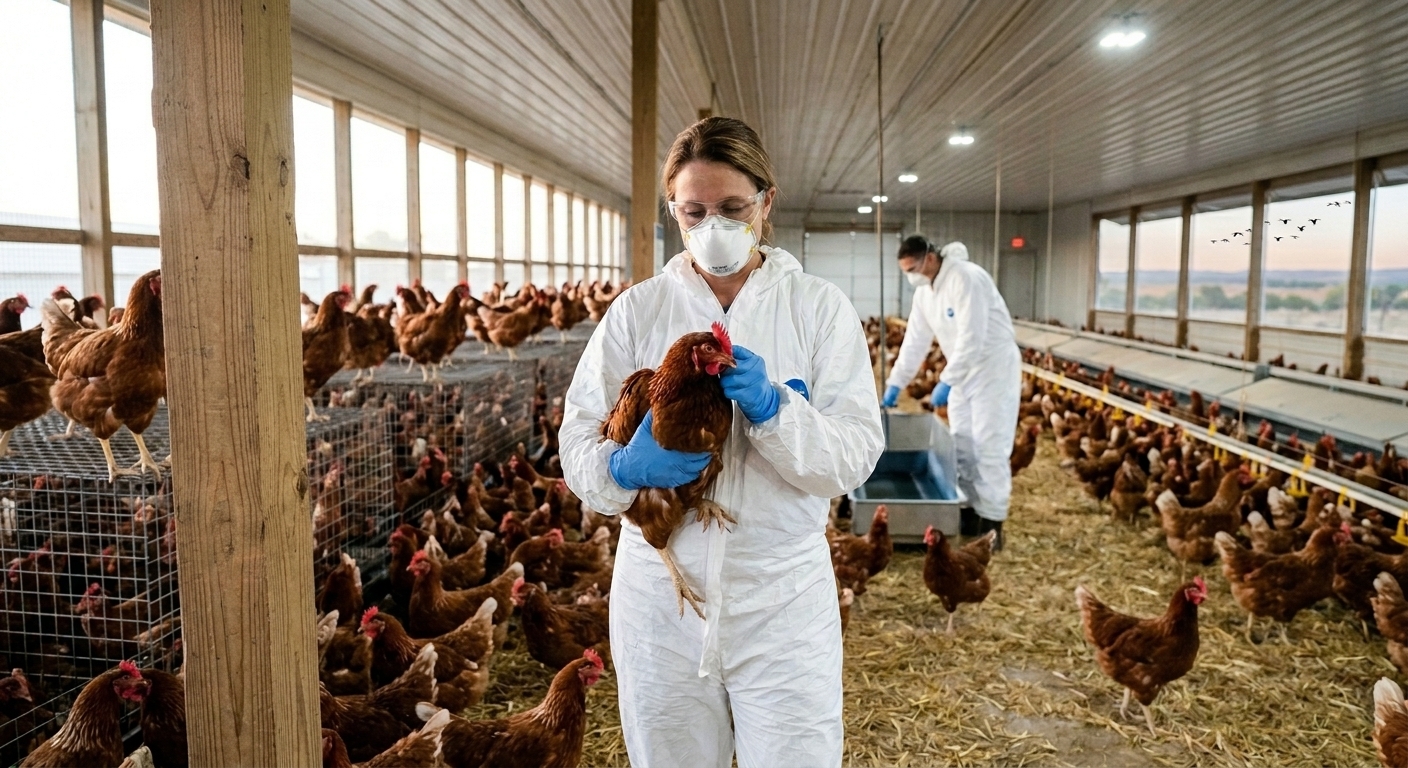
HPAI is a serious disease for commercial poultry operations.
When a case is confirmed, agricultural authorities work with the affected operation to control the outbreak and prevent additional spread.
Depending on the circumstances, disease-control measures can include:
For turkey producers, an outbreak can create substantial operational disruption.
The financial consequences may extend beyond the birds lost.
Producers also need to account for disease-control costs, downtime, cleaning, and the possibility of disruptions to future production.
And when outbreaks occur during important production periods, the timing can make those challenges even more difficult.
The Iowa outbreak reinforces an important point for agricultural producers.
Wild birds are part of the environment surrounding poultry operations.
But when large numbers of birds gather around agricultural facilities, producers need to understand what is attracting them and whether those areas create additional biosecurity concerns.
Common areas worth inspecting include:
Spilled grain and accessible feed can attract starlings, blackbirds, and other birds.
Producers should inspect commodity bays, feed storage areas, loading zones, and locations where grain is regularly spilled.
Water sources can attract wild birds.
Ponds, drainage areas, and locations where water collects after rainfall deserve attention, particularly when they are close to poultry buildings.
Damaged screens, open doors, roof gaps, and other openings can create opportunities for birds to enter agricultural structures.
Maintaining buildings and reducing wildlife access are important components of biosecurity.
Large groups of birds gathering around buildings, trees, or equipment can create additional management challenges.
Identifying where birds regularly gather can help producers determine which areas need attention.
The goal is to reduce unnecessary wildlife activity around the operation and limit opportunities for contact with domestic poultry.
With fall migration underway, poultry producers should review their biosecurity procedures before bird activity increases further.
USDA recommends measures that include reducing wildlife access, maintaining buildings, managing feed spills, and addressing water sources that attract birds.
Here are several areas producers should evaluate.
1. Inspect the facility
Walk around poultry houses and surrounding structures.
Look for damaged screens, openings, nesting areas, and places where birds regularly gather.
2. Remove accessible feed
Clean up spilled grain and feed.
Inspect feed storage structures and connections for leaks.
Reducing available food can help make the surrounding area less attractive to wild birds.
3. Evaluate water sources
Identify ponds, drainage areas, and standing water near poultry buildings.
Consider how wildlife uses those areas and whether additional management measures are appropriate.
4. Monitor bird activity
Pay attention to the species gathering around the operation.
Look for changes in bird numbers, feeding patterns, and locations where birds repeatedly congregate.
5. Review employee biosecurity
Employees and visitors should understand procedures for cleaning footwear, washing hands, and managing movement between agricultural facilities.
If poultry show signs consistent with HPAI, producers should contact their veterinarian and follow applicable reporting requirements.
Biosecurity involves multiple layers of protection.
Cleaning up feed, maintaining buildings, managing water, and controlling movement around poultry facilities are all important.
But producers should also consider whether wild birds are repeatedly gathering around their operations.
When birds establish regular feeding or roosting locations, agricultural professionals may need to evaluate additional bird-management options.
That is where Avitrol can become part of the conversation.
Avitrol provides bird-control products designed for specific pest-bird management applications.
For agricultural operations experiencing bird pressure, the appropriate approach depends on the target species, location, and applicable product labeling.
Bird control should be evaluated alongside exclusion, sanitation, and other biosecurity measures.
Avitrol is not a treatment for HPAI, and bird control alone cannot prevent avian influenza.
However, reducing pest-bird activity around appropriate agricultural sites can be one component of a broader wildlife-management strategy.
The first step is identifying which birds are present and understanding what is attracting them.
Bird ID is product ID.
Knowing the species helps agricultural professionals determine which management options are appropriate.
For consumers, the Iowa outbreak is a reminder that poultry production can face challenges during an important holiday season.
But it is too early to conclude that this individual detection will cause Thanksgiving turkey shortages.
The United States has a large poultry industry, and the effect of an outbreak depends on the broader number of affected operations and available production.
Still, additional outbreaks could create greater pressure on the industry.
That is why producers are focused on limiting the spread of HPAI and protecting their flocks.
For agricultural operations, the immediate concern is not whether Thanksgiving dinner will be affected.
It is whether bird flu can be prevented from spreading to additional commercial facilities.
And that makes biosecurity especially important during fall migration.
The Iowa turkey outbreak is another reminder that wild bird activity can create serious concerns for agricultural producers.
As fall migration continues, poultry operations should evaluate the conditions attracting birds and review their biosecurity procedures.
Inspect feed storage.
Manage water sources.
Maintain buildings.
Monitor wildlife activity.
And determine whether additional bird-control measures are appropriate for the operation.
Avitrol works with agricultural professionals to address bird-control challenges at farms, feedlots, dairies, and other agricultural facilities.
If birds are gathering around your operation, identifying the species and understanding the problem are the first steps toward developing an appropriate management plan.
Contact Avitrol to discuss agricultural bird-control solutions.
As we head into Thanksgiving season, protecting poultry operations means paying attention to what is happening both inside and outside the barn.
Fall migration is underway.
Make sure your bird-management plan is ready.