Millions of Birds Are Moving. Is Your Farm Ready?
Every fall, millions of wild birds begin moving across North America.
Waterfowl, blackbirds, starlings, gulls, and other species travel between breeding and wintering areas.
Along the way, they stop to feed, rest, and find water.
And agricultural operations can provide everything they need.
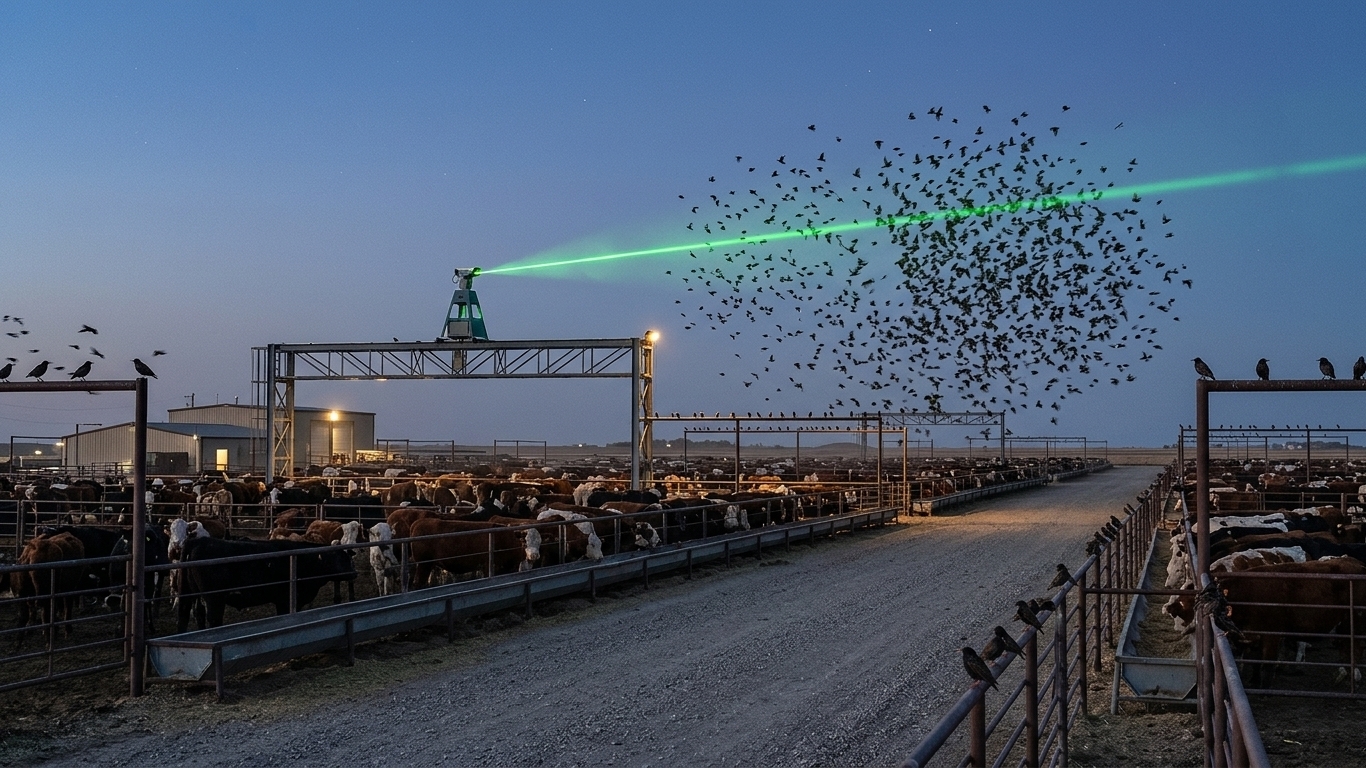
Feedlots, poultry farms, dairies, grain facilities, and livestock operations can attract large numbers of wild birds.
That creates a challenge for agricultural producers.
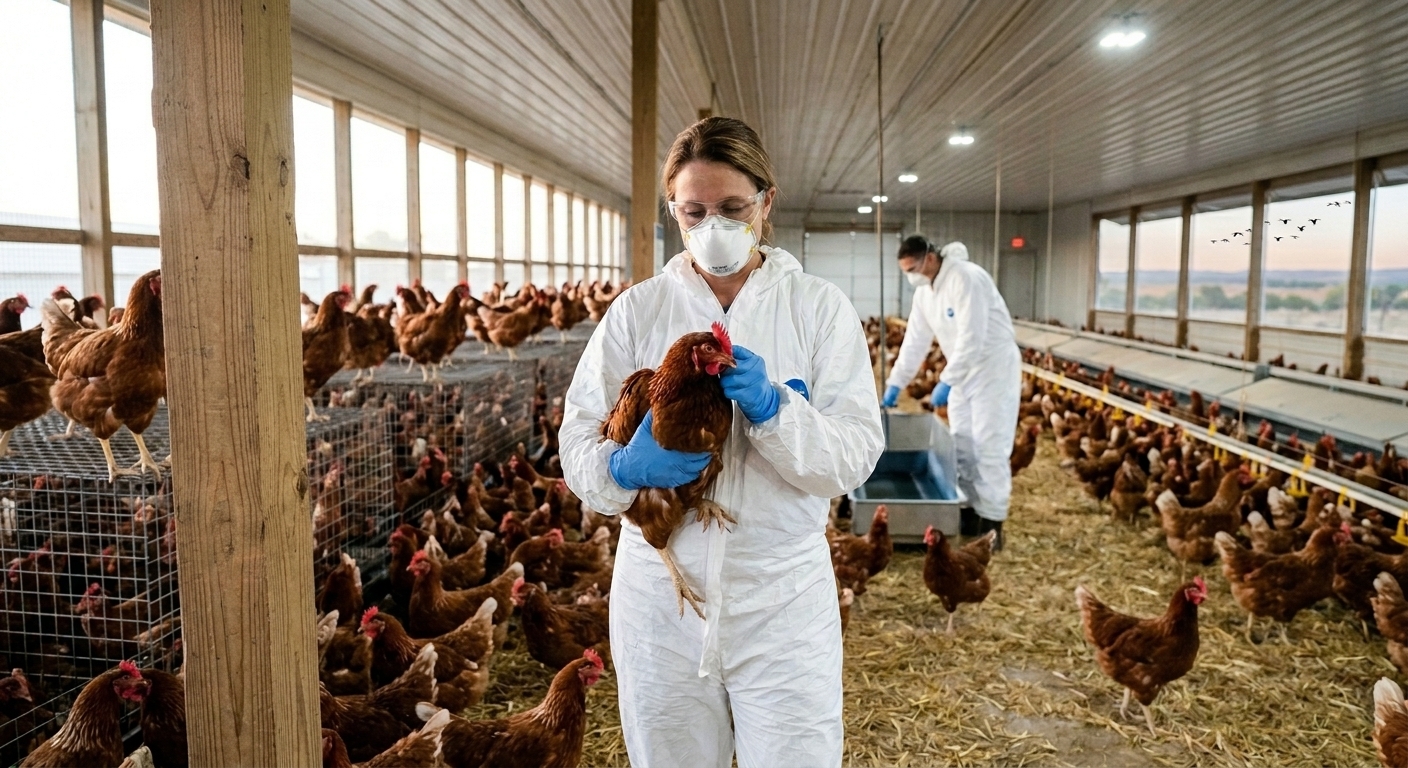
Wild birds can carry highly pathogenic avian influenza (HPAI) without showing obvious signs of illness.
As fall migration continues, poultry producers need to pay close attention to wildlife activity around their facilities.
The USDA's Animal and Plant Health Inspection Service (APHIS) updated its wildlife biosecurity guidance on September 21, 2026, emphasizing the importance of keeping wild birds and other wildlife away from poultry operations.
The message is straightforward:
Reducing wildlife access is an important part of protecting agricultural animals.
Source: USDA APHIS: Protect Your Birds From Wildlife
Why Fall Migration Creates a Biosecurity Concern
Migration changes where birds are located and how they use the landscape.
Birds that normally occupy one region may travel through agricultural areas as they move south.
Some stop briefly.
Others remain in areas where food and water are available.
A poultry operation can become an attractive stop when it provides:
- Spilled feed and grain.
- Standing water.
- Open waste containers.
- Accessible ponds and basins.
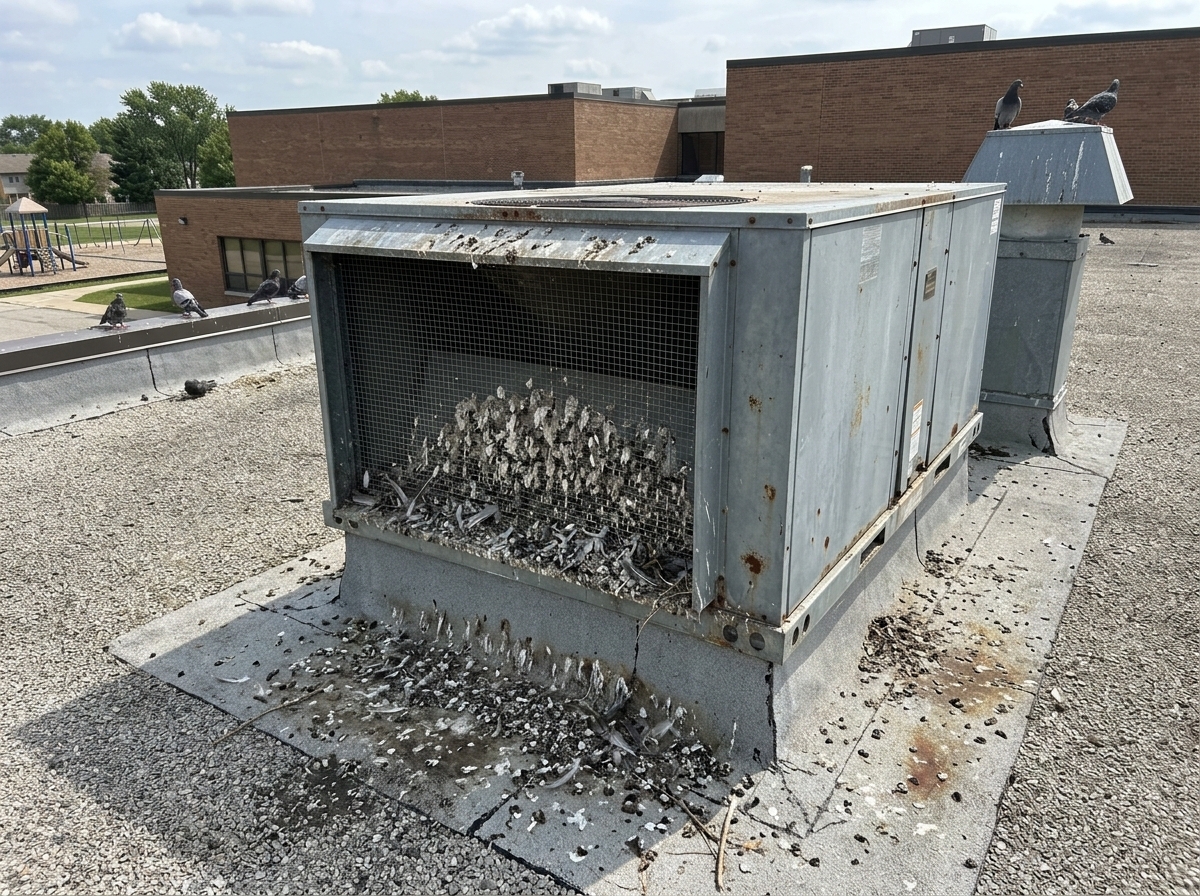
- Buildings with openings or damaged screens.
- Perches and sheltered areas.
- Areas where birds can regularly feed.
The concern is not limited to birds entering a poultry house.
Wild birds may use surrounding areas where domestic poultry, employees, equipment, and farm vehicles operate.
Contaminated material can potentially be carried into agricultural buildings through people, footwear, equipment, or other movements.
That is why wildlife management and everyday biosecurity practices need to work together.
USDA's Biosecurity Recommendations: Start With the Facility
USDA recommends several practical measures to reduce wildlife access and the conditions that attract birds.
1. Inspect Buildings for Openings
Walk around poultry houses, storage buildings, and other structures.
Look for:
- Holes in walls and roofs.
- Damaged screens.
- Open doors and windows.
- Gaps around equipment and pipes.
- Areas where birds can enter or nest.
- Places where birds regularly perch.
Repairing openings and installing appropriate screens or netting can help reduce access.
USDA also recommends inspecting insulation for signs of wildlife damage and addressing old nests before nesting season.
The objective is to make agricultural buildings less accessible to wild birds.
2. Clean Up Spilled Feed
Feed is one of the most obvious attractions on agricultural properties.
But small spills can become a repeated source of food.
Starlings and blackbirds may gather around feed storage areas, livestock feeding locations, and grain handling equipment.
USDA recommends:
- Keeping feed structures on clean pads.
- Inspecting pipes and connections for leaks.
- Cleaning up spilled feed promptly.
- Avoiding feeding wildlife.
- Removing fallen fruit and other food sources.
For livestock producers, this is an important reminder.
A bird-control program should start by identifying what is attracting birds.
If food remains readily available, birds may continue returning even after a deterrent is introduced.
3. Manage Standing Water
Water is another major attraction.
Ponds, drainage areas, basins, leaking pipes, and areas where rainwater collects can provide opportunities for wild birds to gather.
USDA recommends managing vegetation around manmade water structures, separating natural ponds from active poultry areas where appropriate, and addressing areas where water remains after rainfall.
Producers should also avoid using untreated surface water for poultry watering or cleaning poultry barns.
Standing water deserves attention because it can attract wildlife and create additional challenges for farm biosecurity.
4. Keep Waste Covered
Waste areas can attract birds when food or other organic material is accessible.
USDA recommends keeping carcasses and compost piles covered and ensuring that dumpsters and trash containers remain closed.
Waste management is an important part of reducing wildlife activity around agricultural facilities.
The fewer accessible food sources and sheltered areas available, the fewer opportunities birds have to establish themselves around the operation.
Bird Control Should Be Part of the Biosecurity Plan
Cleaning up feed and repairing buildings are important.
But what happens when birds continue gathering around the facility?
This is where agricultural producers should evaluate their bird-control options.
Wildlife deterrents, exclusion, and facility management can work together to reduce bird activity.
The appropriate strategy depends on the species, the location, and the conditions attracting birds.
For example, a feedlot dealing with large numbers of starlings around commodity bays may have different requirements than a poultry farm experiencing waterfowl activity near outdoor areas.
The solution should be based on the actual bird problem.
Avitrol provides bird-control products that agricultural professionals can evaluate as part of an appropriate, label-compliant bird-management program.
For eligible target species and applications, Avitrol may be one option to consider alongside exclusion, habitat management, and other deterrents.
The important thing is to identify the birds first and select a method appropriate for the site.
Bird control should never replace the core biosecurity practices recommended by USDA.
Instead, it can complement efforts to reduce wildlife activity around agricultural facilities.
Don't Wait Until Birds Establish a Routine
Birds are attracted to locations that consistently provide food, water, and shelter.
When a facility becomes part of a bird's regular feeding pattern, the problem can become more difficult to manage.
That is why agricultural producers should evaluate bird activity before it becomes a larger issue.
Walk the property.
Look at the feed areas.
Inspect water sources.
Identify where birds are landing, feeding, and gathering.
Then determine what is attracting them and which management options are appropriate.
This is particularly important during migration, when bird activity can change quickly.
USDA Offers Wildlife Biosecurity Assessments
USDA APHIS offers Wildlife Biosecurity Assessments for poultry operations with more than 500 birds.
These assessments help identify ways wildlife could introduce disease and recommend measures to reduce exposure.
The assessment can include recommendations for facility improvements and wildlife management.
Producers should consider contacting USDA if they want help evaluating wildlife-related biosecurity risks.
Learn more: USDA APHIS Wildlife Biosecurity Guidance
What About Livestock Operations Outside Poultry?
Although poultry producers face particular concerns related to avian influenza, wildlife management is relevant to other agricultural operations as well.
Dairies, feedlots, grain facilities, and other livestock operations can attract wild birds through accessible feed, water, and shelter.
These operations should evaluate bird activity around:
- Feed bunks.
- Commodity bays.
- Grain storage.
- Livestock water sources.
- Rooflines and building ledges.
- Waste storage areas.
- Loading and unloading locations.
The goal is to reduce unnecessary wildlife activity and improve the management of areas where birds interact with agricultural operations.
For livestock facilities, bird control can also help address feed losses, contamination concerns, and the operational challenges associated with large bird populations.
The exact measures should be tailored to the facility and its risks.
Fall Migration Is a Reminder to Review Your Bird-Control Plan
Fall migration is a natural event.
Agricultural producers cannot stop birds from moving across the country.
But they can reduce the opportunities for wild birds to gather around their facilities.
That starts with basic biosecurity:
Clean up feed.
Manage water.
Repair buildings.
Cover waste.
Inspect the property.
And evaluate bird activity before it becomes a recurring problem.
USDA's recommendations reinforce an important point:
Protecting agricultural animals requires more than focusing on what happens inside the barn.
The surrounding property matters, too.
Wild birds may be feeding, resting, or gathering around the facility long before anyone notices a problem inside.
That makes wildlife management an important part of the overall biosecurity strategy.
Protect Your Operation Before Bird Pressure Increases
Are starlings gathering around your feed storage?
Are waterfowl using ponds near your poultry houses?
Are birds repeatedly landing around livestock feeding areas?
Now is the time to evaluate those conditions.
Avitrol works with agricultural professionals to help address bird-control challenges at farms, feedlots, dairies, and other agricultural facilities.
If you are seeing increased bird activity, start by identifying the species and the areas attracting them.
Then determine which bird-control and biosecurity measures are appropriate for your operation.
Contact Avitrol to discuss agricultural bird-control solutions.
Fall migration is underway.
Make sure your bird-management plan is ready.