Poultry Farms
Bird Flu
Avian Influenza
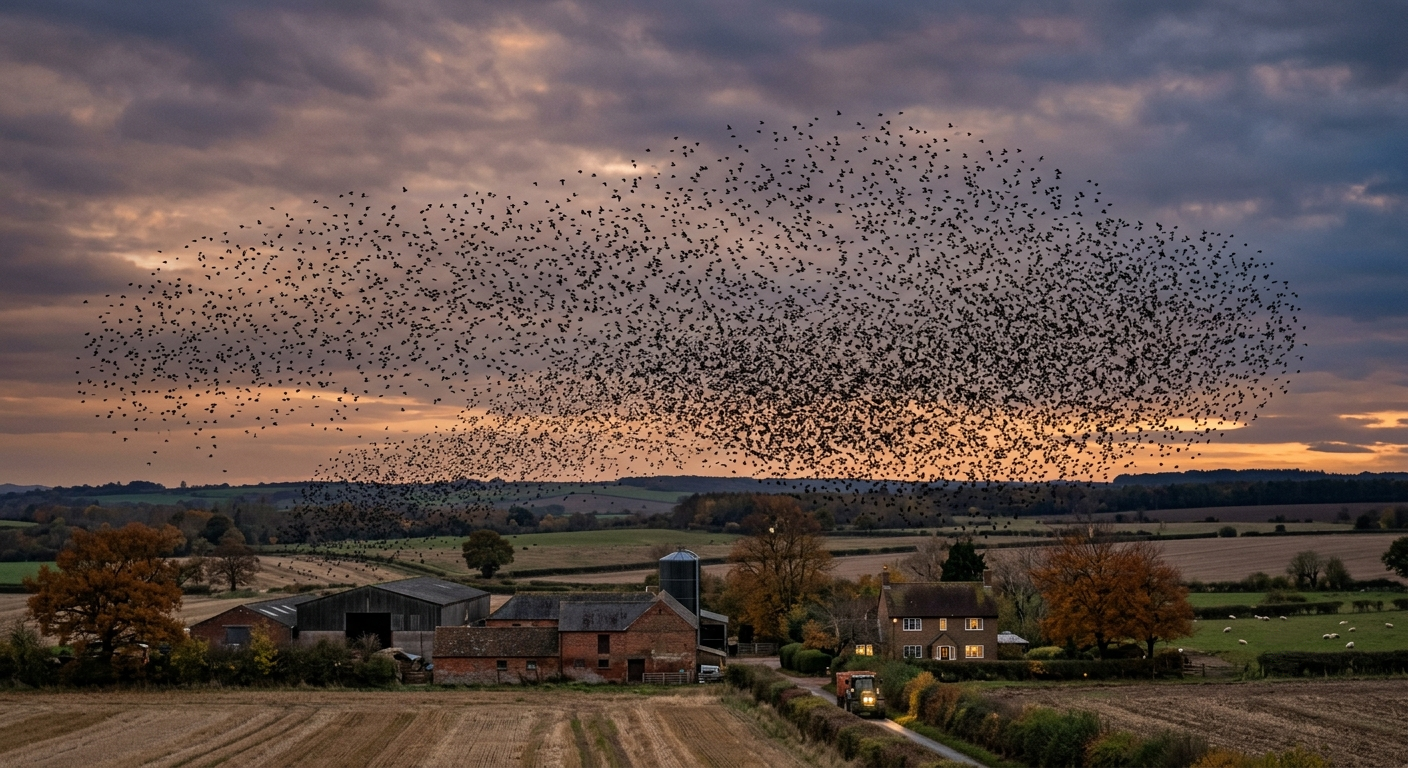

Every fall, millions of birds begin one of the largest migrations on Earth.
Waterfowl, blackbirds, starlings, gulls, and other species travel thousands of miles across North America, stopping at wetlands, crop fields, feed sources, and livestock operations along the way.
For agriculture, that migration means one thing: increased bird pressure.
And with bird pressure comes increased biosecurity risks.
Highly Pathogenic Avian Influenza (H5N1) continues to circulate in wild bird populations, making this year's fall migration another critical period for poultry producers, dairy farms, grain facilities, and agricultural operations. While no one can stop migration, every producer can reduce the opportunities for wild birds to introduce disease onto their property.
Migratory birds naturally congregate in large numbers during the fall.
They stop to feed, rest, and refuel before continuing south, often gathering near: 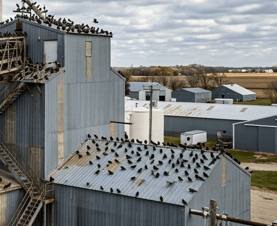
These areas provide exactly what birds are looking for, food, water, and shelter.
If infected birds visit these locations, they can leave behind virus-contaminated droppings, feathers, or other materials that increase the risk of exposure for domestic animals.
The more wild birds around your operation, the greater the opportunity for disease transmission.
While H5N1 receives the headlines, birds create several challenges for agricultural operations:
A single flock of blackbirds or starlings can consume and contaminate thousands of dollars worth of feed over the course of a migration season.
Preventing birds from establishing themselves is often far less expensive than dealing with the consequences later.
One of the biggest mistakes producers make is waiting until birds have already moved in.
Once large flocks establish a feeding pattern, removing them becomes significantly more difficult.
Birds quickly learn where reliable food sources exist and often return day after day, bringing even more birds with them.
Preparation before migration begins gives producers the best chance of preventing large infestations before they start.
Walk your facility and identify areas that attract birds.
Look for:
Small maintenance issues often become major bird problems during migration.
Feed spills are one of the biggest bird magnets on any farm.
Clean up spilled grain promptly and keep storage areas sealed whenever possible.
The less food available, the less attractive your operation becomes.
Review employee traffic patterns, equipment sanitation, and visitor protocols before migration begins.
Reducing opportunities for disease introduction is just as important as reducing bird pressure.
Don't wait until hundreds of birds arrive.
Watch for:
Early intervention almost always produces better results.
Everyone working on the farm should know what unusual bird activity looks like.
Employees are often the first people to notice changing bird patterns.
Quick reporting can prevent small problems from becoming large infestations.
If birds begin concentrating around your operation, know exactly how you'll respond.
Waiting until the problem becomes severe often limits your options and increases costs.
Having trained bird management professionals and proven control methods identified ahead of time can save valuable time during migration season.
Many farms invest heavily in disinfectants, testing, and enhanced sanitation after birds have already established themselves.
While those measures are important, preventing birds from gathering in the first place addresses the problem earlier in the chain of events.
Think of bird control as another layer of your biosecurity program, not just a pest management issue.
Reducing bird activity around feed, water, and livestock decreases opportunities for contamination before it starts.
Migration begins earlier than many producers realize.
By late summer, bird numbers are already increasing across much of North America as species begin moving south.
Operations that prepare now will be in a much stronger position than those waiting until birds are already covering feed lots, grain facilities, and poultry houses.
The goal isn't simply to remove birds.
The goal is to make your operation a place they never choose to stop in the first place.
As H5N1 continues to circulate in wild bird populations, reducing bird pressure is one of the smartest investments any agricultural operation can make before fall migration arrives.