
Poultry Farms
Bird Flu
Avian Influenza
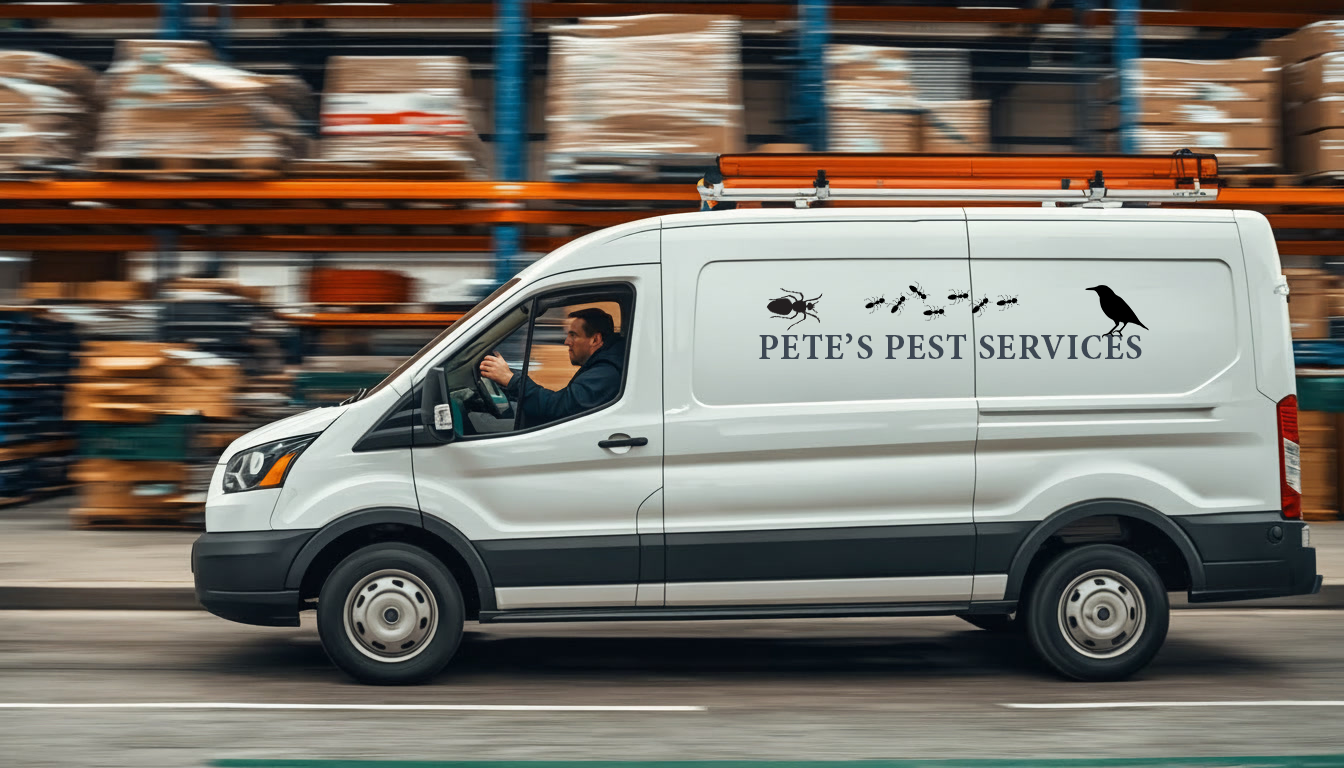

If you’re a pest control professional running a daily service route, you’re already trained to spot problems. You notice the ant trails along foundations. You see rodent rub marks near loading docks. You recognize conducive conditions before they turn into infestations.
But there’s one major revenue opportunity many technicians are literally driving right past.
Bird problems.
Learning to “know your route” doesn’t just mean knowing your stops. It means understanding the environment around them - the rooftops, signage, parking structures, landscape features, and neighboring facilities that can signal a growing bird issue.
For pest control professionals who offer bird control (or want to), this awareness can transform routine service into powerful upsell opportunities.
Unlike many insect infestations, bird issues typically develop gradually.
A few birds start using a ledge.
Droppings begin to appear on sidewalks.
Nest material shows up in roof corners.
Customers start noticing noise or sanitation concerns.
By the time a facility manager calls specifically about birds, the problem is often advanced - and more expensive to solve.
Technicians who are already servicing the property have a massive advantage: you are the first line of detection.
You don’t need to climb on roofs or perform full inspections to identify bird control opportunities. Train yourself and your team to scan for visible indicators during normal service visits.
Heavy droppings accumulation
Nesting activity

Bird congregation points
Customer impact indicators
These observations take seconds - but can lead to significant service upgrades.
Certain businesses consistently present higher bird control opportunities.
Technicians should pay extra attention when servicing:
Even if birds aren’t currently a major issue, conducive conditions often exist. Identifying and documenting these early builds credibility with clients.
Upselling bird control isn’t about pressure - it’s about protection.
Facility managers appreciate proactive partners who help them prevent future headaches.
1. Show what you saw.
Take photos. Document droppings, nesting, or congregation areas.
2. Explain the risk.
Focus on sanitation, reputation, safety, and maintenance costs.
3. Offer a phased solution.
Start small if needed: monitoring, sanitation recommendations, or localized deterrent measures.
4. Position bird control as asset protection.
Not just pest control - building preservation and brand protection.
Bird control services often carry higher margins than routine insect or rodent work. They can include:
When technicians learn to spot bird activity early, companies can:
✅ Increase average ticket size
✅ Add recurring service programs
✅ Strengthen client relationships
✅ Differentiate from competitors
✅ Prevent emergency callouts
Route awareness should be part of technician training and ride-along coaching.
Encourage technicians to:
Over time, this builds a culture where technicians become consultants, not just service providers.
Every windshield view is market intelligence.
Every stop is a chance to prevent a bigger problem.
Every observation can lead to a new service line, stronger retention, and increased revenue.
The pest professionals who grow fastest aren’t just the best at solving problems - they’re the best at seeing them first.
Know your route.
Train your eye.
Start the conversation.
Bird control opportunities are already there.
You just have to look up.
