
Poultry Farms
Bird Flu
Avian Influenza

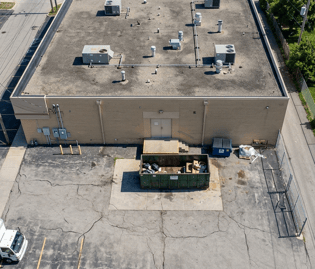
When pest management professionals inspect a commercial property, attention is often focused on the ground level, dumpsters, loading docks, landscaping, and entry points. However, one of the most overlooked areas for bird activity is directly above your head: the rooftop.
During the summer months, rooftops become prime real estate for pest birds seeking food, water, shelter, and nesting opportunities. For PMPs, failing to inspect rooftop areas can mean missing the early warning signs of a bird infestation before it spreads throughout an entire property.
Commercial rooftops provide everything many bird species need to survive and thrive. Pigeons, gulls, starlings, sparrows, and grackles are commonly found utilizing rooftop structures as safe locations to roost and nest away from predators and human activity.
The elevated position gives birds a clear view of their surroundings while allowing easy
access to nearby food sources such as outdoor dining areas, dumpsters, grain handling facilities, and parking lots.
As temperatures rise during the summer, rooftops often become gathering points for large numbers of birds.
HVAC systems create ideal conditions for pest birds. The warmth generated by equipment, combined with sheltered areas around units, provides excellent roosting and nesting locations.
Birds frequently build nests beneath rooftop HVAC equipment, where they are protected from weather and predators. Over time, nesting materials can restrict airflow, clog drains, and increase maintenance costs for building owners.
Accumulated droppings around HVAC units can also accelerate corrosion and create sanitation concerns that may impact indoor air quality.
As more commercial facilities adopt solar energy systems, PMPs are encountering a growing bird control challenge.
Solar panels create shaded, protected spaces underneath arrays that are highly attractive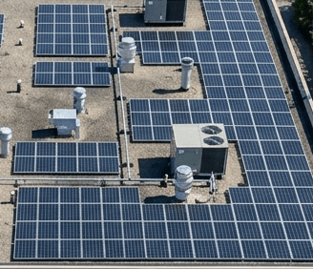 to pigeons and sparrows. Once birds establish nesting sites beneath panels, populations can quickly grow if left unmanaged.
Bird activity around solar installations can result in damaged wiring, reduced system efficiency, excessive droppings, and costly cleanup efforts.
Routine rooftop inspections can help identify bird activity around solar infrastructure before extensive damage occurs.
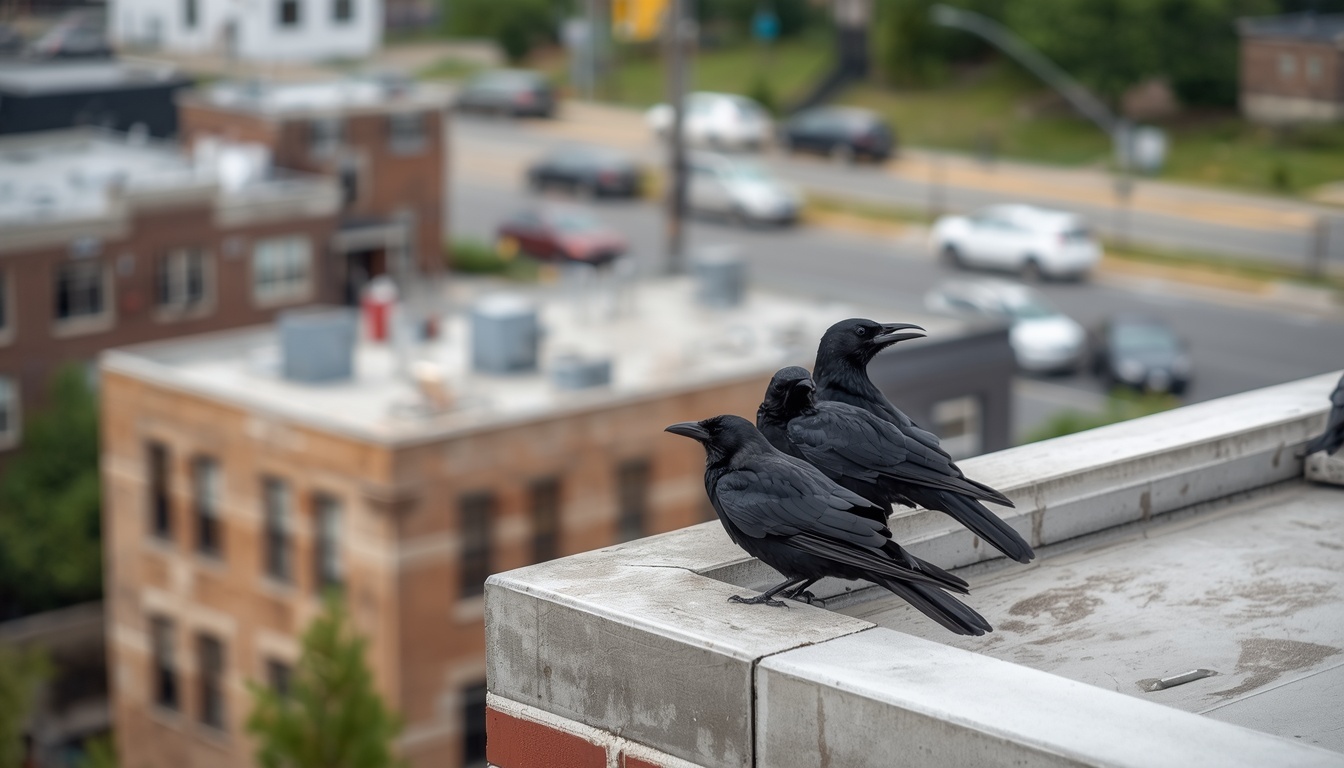
Parapet walls are among the most common bird congregation points on commercial rooftops.
These structures provide elevated perching locations that allow birds to observe nearby food sources and potential threats. Over time, repeated use can lead to significant accumulations of droppings concentrated along roof edges.
Besides creating sanitation concerns, droppings can stain building exteriors, damage roofing materials, and create slip hazards during maintenance activities.
Parapet walls should be carefully inspected for signs of regular bird activity, especially during summer months when populations are at their peak.
Mechanical rooms, communication equipment, vents, and other rooftop structures create countless hiding places for birds.
These areas often remain undisturbed for long periods, making them attractive nesting locations. Once nesting begins, bird populations can establish a strong foothold on the property.
Inspecting mechanical equipment for nesting materials, feathers, droppings, and active bird presence allows PMPs to address problems before they become larger infestations.
One of the greatest benefits of rooftop inspections is early detection.
Bird issues rarely start with hundreds of birds. Most infestations begin with a few birds finding favorable conditions and returning repeatedly. Without intervention, those few birds can attract others, resulting in large roosting populations that are much more difficult and expensive to manage.
By identifying bird activity early, PMPs can recommend exclusion measures, habitat modification, bird deterrents, or baiting programs before property damage and cleanup costs escalate.
When inspecting commercial rooftops, look for:
These indicators often reveal developing bird problems before clients notice them.
Bird control begins with thorough inspections, and some of the most important inspections happen on the roof. During the summer, rooftops become hotspots for nesting, roosting, and congregation activity that can lead to property damage, sanitation concerns, and unhappy clients.
For PMPs looking to expand their bird control services, adding routine rooftop inspections to every commercial account can uncover hidden opportunities, improve customer outcomes, and stop bird problems before they become costly infestations.
The next time you visit a commercial property, don't just inspect what's at ground level, look up. The roof may be where the real bird problem starts.
