Poultry Farms
Bird Flu
Avian Influenza
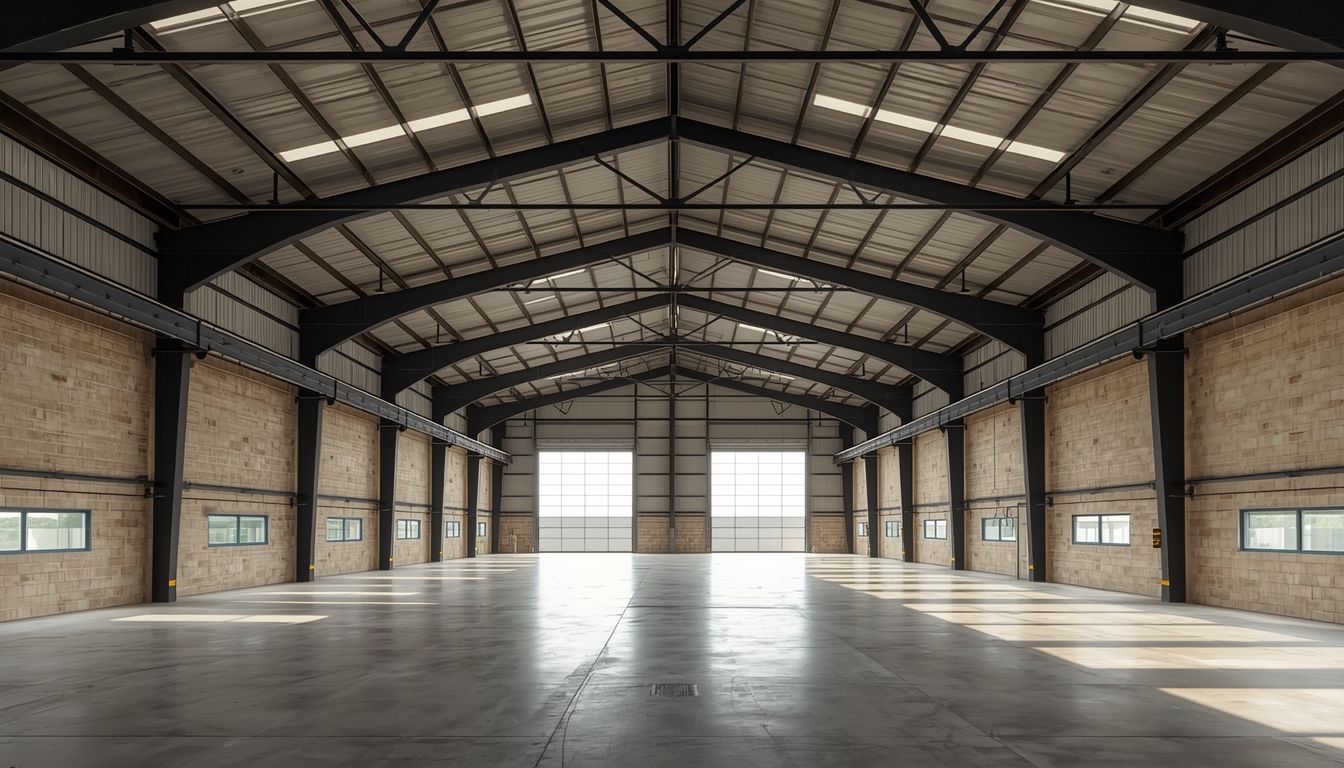

If you manage a facility long enough-retail, industrial, logistics, healthcare, or food production-you learn one hard truth fast:
The problems that cause the biggest disruptions usually start small.
A minor roof leak becomes structural damage.
A clogged drain turns into a safety incident.
And a handful of birds overhead? That can quietly spiral into sanitation violations, equipment damage, and lost productivity.
Yet pest birds remain one of the most underestimated facility risks today.
At first glance, birds perched on light fixtures or rooftops seem harmless. But facility managers across the country are discovering the real cost behind “just a few birds.”
Bird activity can lead to:
Health and sanitation concerns from droppings that carry bacteria and pathogens
Slip-and-fall risks for employees and customers
Roof, HVAC, and equipment damage caused by nesting materials and acidic waste
Fire hazards when nests block vents or electrical infrastructure
Failed audits and inspections, especially in food, healthcare, and logistics facilities
What’s worse? Once birds establish a roost, they return year after year, often bringing reinforcements.
Many facilities start with what seems logical:
Visual deterrents
Sound devices
Netting or spikes in limited areas
While these tools can help in certain situations, they often don’t solve the core issue-especially in large, open, or high-traffic facilities.
Birds are highly adaptable. When one method becomes uncomfortable, they simply:
Move to another part of the building
Shift operating hours
Or wait until deterrents are removed
This creates a frustrating cycle for facility managers: repeated service calls, escalating costs, and zero long-term relief.
Facility managers are expected to:
Maintain compliance
Reduce liability
Protect assets
Control costs
Keep operations running smoothly
All while managing dozens-sometimes hundreds-of competing priorities.
Bird control solutions that “kind of work” aren’t good enough when:
Corporate audits are approaching
Customers and tenants are complaining
Maintenance teams are stretched thin
What facilities need is a strategic, scalable solution-not another temporary fix.
Facilities that address bird pressure early see measurable benefits:
Cleaner, safer environments
Reduced maintenance and repair costs
Fewer emergency service calls
Stronger inspection and audit outcomes
Less disruption to daily operations
Instead of reacting to problems, proactive facilities control the environment before birds become established.
And in today’s compliance-driven landscape, prevention is always cheaper than correction.
The most successful facility managers share one mindset:
They treat bird pressure like any other operational risk-not an afterthought.
That means:
Partnering with professionals who understand bird behavior
Using solutions designed for large-scale facilities, not residential settings
Implementing programs that discourage birds from returning-not just dispersing them temporarily
When bird activity is managed correctly, it doesn’t just disappear-it stays gone.
If birds are active on or inside your facility, it’s not just a cleanliness issue-it’s a risk management issue.
Ignoring it won’t make it better.
Temporary fixes won’t make it stop.
But the right approach can protect your facility, your people, and your reputation-without adding more work to your plate.
👉 Facility managers who stay ahead of bird issues don’t wait for complaints or violations. They act before the problem spreads.
Want to learn how leading facilities are solving pest bird problems for good?
Click below to discover what proactive bird control really looks like-and why more facility managers are making it part of their long-term strategy.