

Poultry Farms
Bird Flu
Avian Influenza
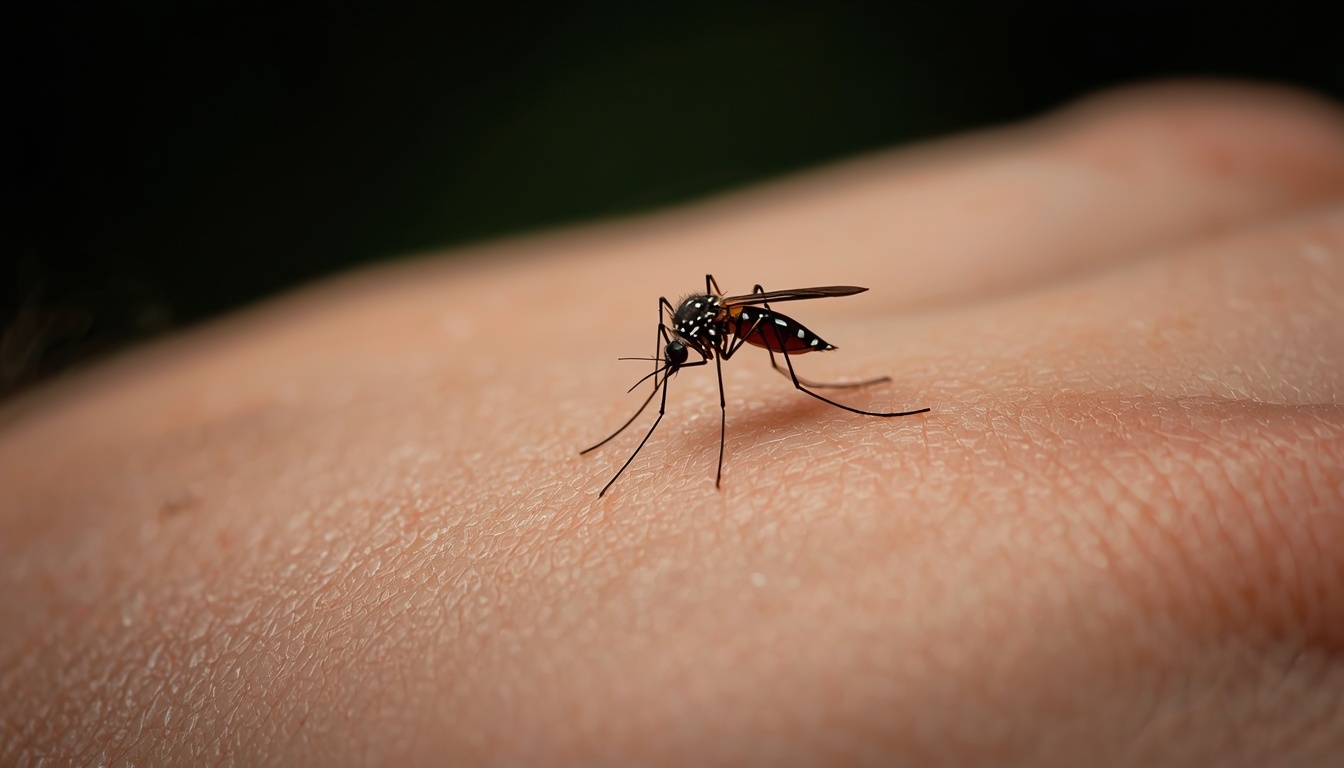

At first glance, releasing millions of mosquitoes into the environment sounds like the exact opposite of what public health officials should be doing.
But that's exactly what Alphabet, Google's parent company, hopes to do as part of a large-scale mosquito control effort designed to reduce mosquito-borne diseases across parts of California and Florida.
The proposal calls for the release of approximately 32 million mosquitoes over the next two years. While the number sounds alarming, there is an important detail: these mosquitoes are specifically bred male mosquitoes that do not bite people.
The project, known as the Debug Project, uses a technique called the Sterile Insect Technique (SIT), which has been used successfully for decades to control agricultural pests and other insect species.

Scientists infect male mosquitoes with a naturally occurring bacterium called Wolbachia. When these males mate with wild female mosquitoes, the resulting eggs fail to hatch. Over time, fewer mosquitoes survive to adulthood, causing the overall population to decline.
Because only male mosquitoes are released, they do not feed on blood or transmit diseases to humans.
The goal is to target mosquito species that spread serious illnesses, including West Nile virus, dengue fever, yellow fever, Zika virus, and other mosquito-borne diseases.
This isn't the first time the Debug Project has tested the concept.
Between 2017 and 2019, researchers released approximately 48 million sterile male mosquitoes in Fresno County, California. According to project reports, some areas experienced mosquito population reductions of up to 95 percent.
Those results demonstrated that large-scale mosquito suppression may be possible without widespread pesticide applications.
The new proposal would focus on the Southern House Mosquito (Culex quinquefasciatus), one of the primary carriers of West Nile virus and St. Louis encephalitis in the United States.
Whenever a large-scale insect control program is proposed, one question naturally follows:
What happens to wildlife that depends on those insects for food?
Many bird species consume mosquitoes as part of their diet, including swallows, purple 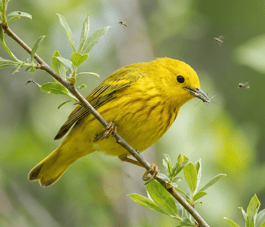 martins, flycatchers, warblers, nighthawks, and other aerial insectivores. Bats, dragonflies, and numerous other insect-eating animals also consume mosquitoes.
However, mosquitoes typically make up only a small portion of the overall diet for most bird species. These birds usually feed on a wide variety of flying insects, including flies, moths, beetles, midges, gnats, and other abundant prey.
The temporary release of millions of sterile male mosquitoes could actually create a short-term increase in available food for insect-eating wildlife in release areas. Birds and bats may consume many of the released mosquitoes before they ever reproduce.
Over the longer term, if mosquito populations are significantly reduced, experts generally do not expect major impacts on bird populations because mosquitoes represent only a small fraction of the insects available in most ecosystems. Birds are highly adaptable and typically shift their feeding efforts toward other insect species.
That said, ecologists continue to study the broader environmental effects of mosquito suppression programs to ensure that reducing mosquito numbers does not unintentionally affect local food webs.
Before any mosquitoes are released, the U.S. Environmental Protection Agency must approve the project.
The EPA is currently reviewing the proposal and gathering public comments before deciding whether to issue an experimental use permit.
If approved, the project could become one of the largest mosquito-control efforts ever conducted using sterile insect technology in the United States.
While releasing 32 million mosquitoes may sound alarming, the goal is actually to reduce mosquito populations and lower the risk of mosquito-borne diseases.
By flooding an area with sterile male mosquitoes that cannot bite and cannot produce offspring, researchers hope to gradually suppress disease-carrying mosquito populations without relying solely on chemical insecticides.
The proposal represents another step in the growing use of biological control methods that target pest species while minimizing impacts on people, wildlife, and the environment.