
Poultry Farms
Bird Flu
Avian Influenza


As Americans celebrate Independence Day, facility managers across the country are preparing their properties for increased foot traffic, employee gatherings, customer visits, and outdoor events. While fireworks, flags, and cookouts may be top of mind, there's another issue many facilities continue to battle year-round: pest birds.
Birds may seem harmless at first glance, but when they establish themselves around commercial properties, they can create sanitation concerns, property damage, operational disruptions, and safety hazards. The good news? These are problems you don't have to accept.
This Fourth of July, declare your independence from pest birds by addressing the most common issues they create around facilities.
Nothing creates a poor first impression faster than bird droppings covering sidewalks, entryways, benches, and outdoor gathering spaces.
During the summer months, increased visitor traffic means these areas receive even more attention. Unfortunately, birds often favor signs, light poles, roof edges, and architectural features directly above pedestrian walkways. The result is unsightly droppings that can quickly turn into customer complaints.
Beyond appearance, bird droppings create serious slip-and-fall hazards. Wet droppings 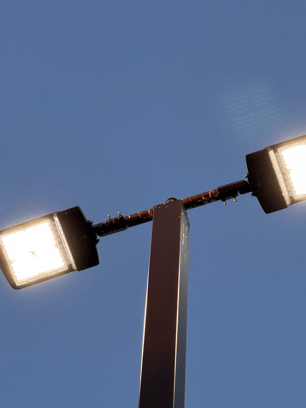 on concrete surfaces can become extremely slippery, increasing liability risks for facility owners and managers.
Bird droppings can also accelerate deterioration of building materials, paint, metal surfaces, and concrete over time due to their acidic nature.
Summer is peak nesting season for many bird species, making HVAC units, vents, rooftop equipment, and mechanical areas attractive nesting locations.
Birds seek shelter, warmth, and protection from predators, often finding exactly what they need in facility infrastructure. Unfortunately, nests can obstruct airflow, damage equipment, block vents, and create fire hazards.
Nesting materials such as twigs, feathers, and debris can reduce HVAC efficiency while increasing maintenance costs. In some cases, nests can contribute to overheating equipment or moisture-related issues.
Many facility managers only discover a nesting problem after performance issues begin affecting operations.
Regular inspections during the summer months can help identify nesting activity before it becomes a larger problem.
Loading docks are one of the most common bird hotspots on commercial properties.
These areas often provide food opportunities, water sources, overhead shelter, and constant activity that attracts species such as pigeons, starlings, grackles, and sparrows.
Bird activity around loading docks creates more than just an appearance issue. Droppings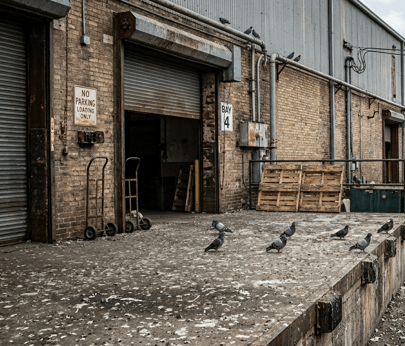 can contaminate products, packaging, equipment, pallets, and work areas. For food processing facilities, distribution centers, warehouses, and manufacturing plants, this can present significant sanitation concerns.
Employees may also spend valuable time cleaning up bird-related messes instead of focusing on operational responsibilities.
Addressing bird activity at loading docks often delivers immediate improvements in cleanliness and operational efficiency.
One of the most overlooked consequences of pest birds is the impact they have on employee morale and visitor perception.
Employees don't enjoy walking through droppings, dodging aggressive nesting birds, or parking beneath heavily used roosting areas. Visitors and customers often associate visible bird activity with poor facility maintenance.
Even when bird populations aren't causing major structural issues, the perception of an unmanaged bird problem can affect how people view a property.
Common complaints include:
If complaints are becoming more frequent, it's often a sign that bird activity has progressed beyond a minor nuisance.
Many facilities fall into a cycle of constantly cleaning bird droppings without addressing the root cause of the problem.
While cleanup is important, long-term success comes from understanding why birds continue returning to a property.
Birds are attracted by three primary factors:
Open dumpsters, food waste, outdoor eating areas, spilled grain, and unsecured trash can all attract birds.
Standing water, retention ponds, roof drainage issues, and decorative water features provide reliable hydration.
Rooflines, signs, canopies, HVAC units, and structural ledges create ideal locations for birds to rest and nest.
The most successful bird management programs focus on identifying and reducing these attractants while implementing appropriate exclusion and control measures.
A proactive bird management plan should include:
This Fourth of July, take a closer look at the bird-related challenges affecting your facility. Whether it's droppings on sidewalks, nesting in HVAC systems, contamination around loading docks, or growing employee complaints, these issues don't have to be accepted as part of normal operations.
By identifying attractants, implementing preventative measures, and addressing bird activity before it escalates, facility managers can create cleaner, safer, and more professional environments for employees, customers, and visitors alike.
Because freedom is worth celebrating, and so is a facility that's free from pest bird problems.
