Poultry Farms
Bird Flu
Avian Influenza
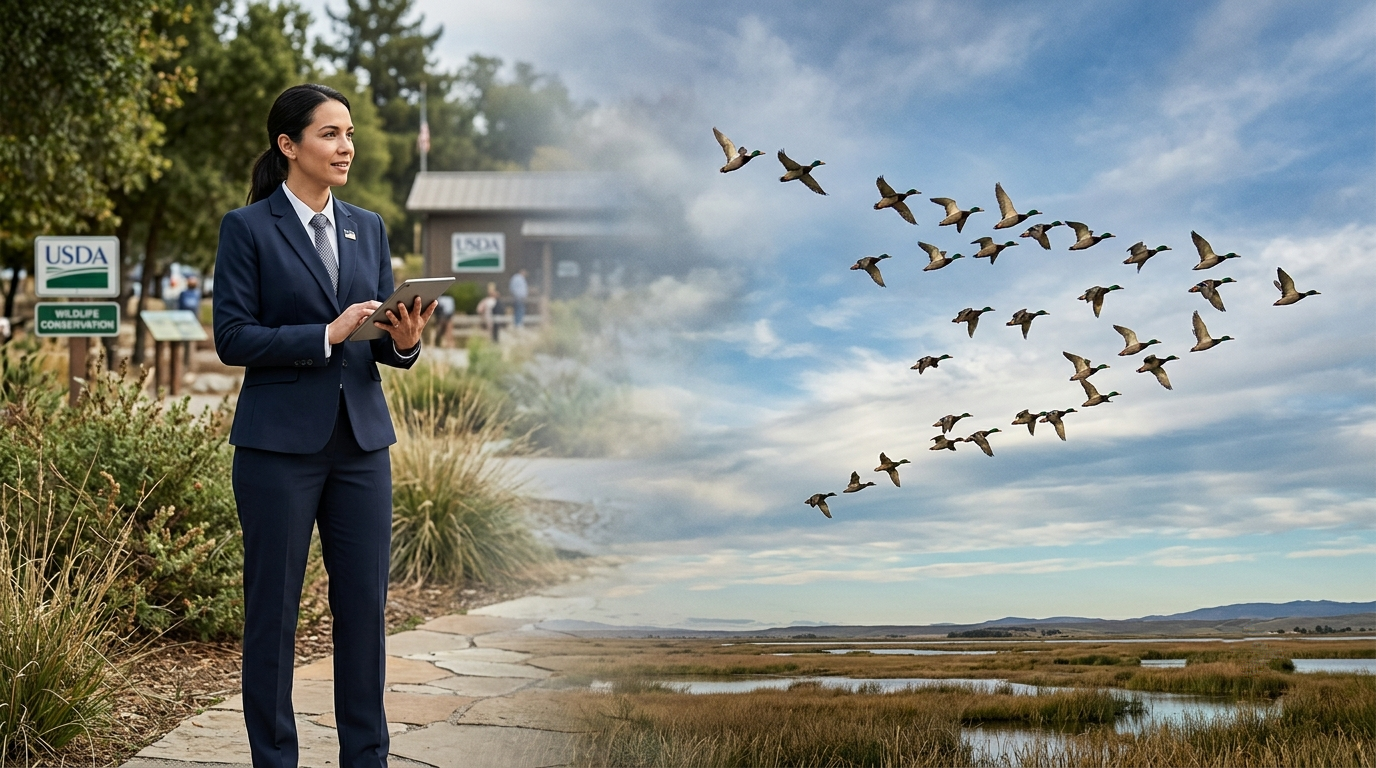

For many agricultural operations, bird migration is simply another seasonal event. But according to the USDA Animal and Plant Health Inspection Service (APHIS), migratory birds continue to be the primary source of Highly Pathogenic Avian Influenza (HPAI) introductions into domestic poultry operations across the United States.
While many producers focus on protecting their facilities from rodents, insects, and equipment failures, wild birds remain one of the most significant, and often overlooked, biosecurity risks.
As fall migration approaches, the USDA is encouraging poultry producers, livestock operations, and agricultural businesses to strengthen biosecurity measures before virus activity increases.
Unlike commercial poultry, many species of wild birds can carry H5N1 without appearing sick.
According to USDA APHIS, waterfowl and other migratory birds serve as natural reservoirs for avian influenza viruses. Because many infected birds show few or no symptoms, they can travel hundreds or even thousands of miles while shedding the virus through saliva, nasal secretions, and droppings.

This makes migration one of the primary ways H5N1 spreads into new regions.
The USDA's Wild Bird Surveillance Program continues to detect HPAI in numerous species across multiple states throughout the year, reinforcing that the virus has become established in North American wild bird populations rather than remaining a seasonal anomaly.
USDA surveillance data consistently shows that outbreaks tend to increase during the spring and fall migration seasons.
As millions of birds move along the Atlantic, Mississippi, Central, and Pacific Flyways, they make frequent stops at wetlands, ponds, grain fields, livestock operations, and agricultural facilities.
These stopovers increase opportunities for infected birds to contaminate:
Even indirect contact with contaminated feces can introduce the virus into commercial operations if proper biosecurity practices are not followed.
To better understand how H5N1 moves across the country, USDA APHIS maintains one of the largest wild bird surveillance programs in North America.
The program collects samples from: 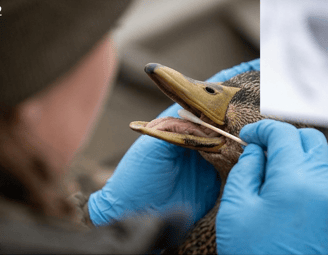
Each confirmed detection is recorded by:
This surveillance helps identify where the virus is circulating and provides early warning for poultry producers and animal health officials.
One of the biggest misconceptions is that wild birds must directly enter a poultry barn to spread H5N1.
In reality, indirect transmission is often the greater concern.
The virus can be transported by:
This is why USDA emphasizes controlling every possible pathway that could carry contaminated material onto a farm.
APHIS continues to remind producers that biosecurity remains the most effective defense against HPAI.
Recommended practices include:
No single measure eliminates the risk, but multiple layers of protection significantly reduce the chance of introducing the virus.
Although commercial poultry operations receive the most attention during HPAI outbreaks, many other agricultural facilities can attract large numbers of wild birds.
These include:
Birds are naturally attracted to spilled grain, water sources, shelter, and elevated roosting locations. Large congregations increase the amount of fecal contamination around facilities and create additional opportunities for disease transmission.
Reducing bird pressure around these locations is not only a sanitation issue, it also supports broader farm biosecurity efforts.
USDA updates its HPAI detection data throughout the year as new cases are confirmed.
Current surveillance continues to identify HPAI-positive wild birds across multiple states and bird species, demonstrating that the virus remains active in wildlife even when commercial poultry outbreaks temporarily decline.
This ongoing monitoring allows producers, veterinarians, and state officials to identify emerging risks before outbreaks become widespread.
With fall migration approaching, now is the time for agricultural operations to review their bird management and biosecurity plans.
Waiting until birds begin congregating around a facility can make control efforts more difficult and increase the likelihood of contamination.
Producers should evaluate:
Early action can reduce bird activity before migration reaches its peak.
The USDA's latest surveillance data reinforces a message that has remained consistent throughout the H5N1 outbreak: wild birds continue to play a central role in the spread of highly pathogenic avian influenza. While producers cannot control migration patterns, they can reduce the opportunities for the virus to reach their operations through strong biosecurity, facility maintenance, and proactive bird management.
As H5N1 remains established in wild bird populations, the most successful agricultural operations will be those that treat bird control and biosecurity as year-round investments rather than seasonal responses.