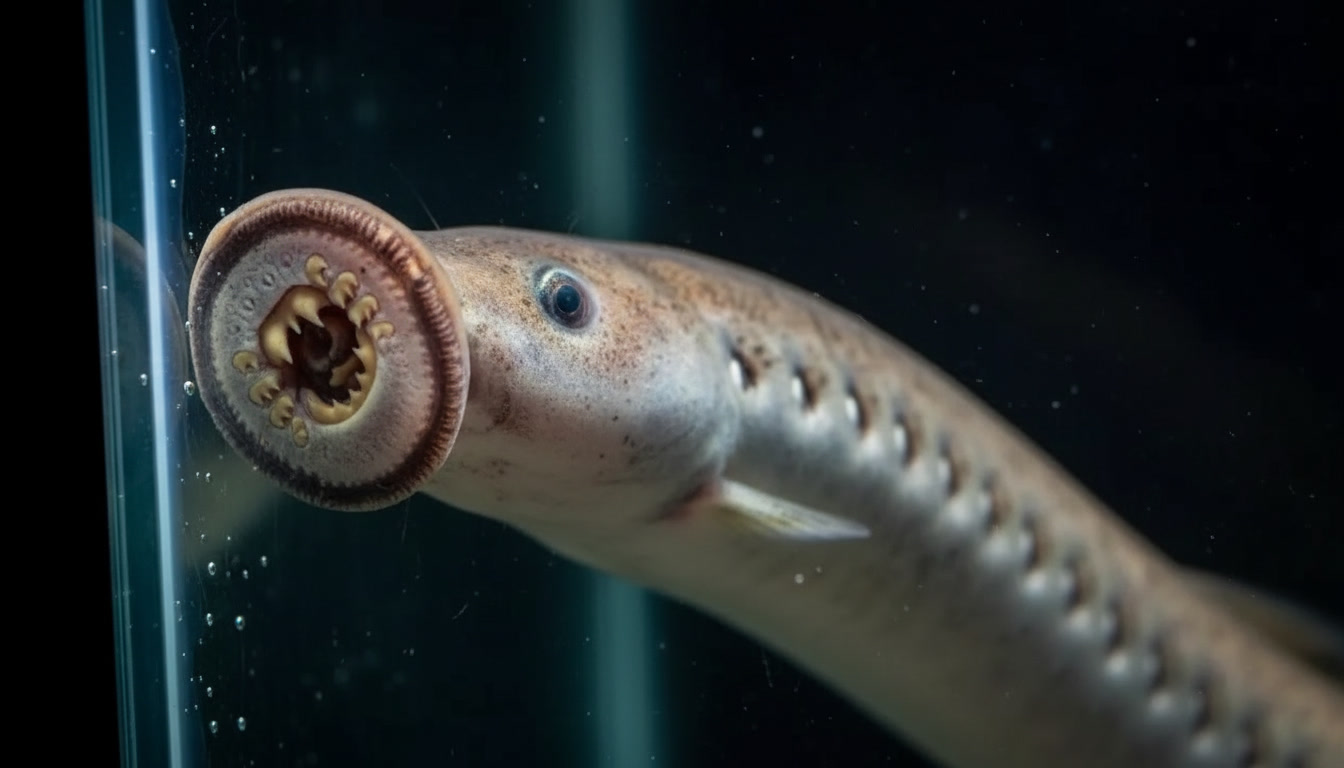
Scientists in Michigan are taking on one of the biggest environmental challenges facing the Great Lakes. Researchers are exploring new technologies to combat invasive sea lampreys and zebra and quagga mussels, species that have spent decades disrupting ecosystems, damaging infrastructure, and costing millions of dollars in ongoing control efforts.
It's an ambitious effort. Some researchers have even described it as a "moonshot" because of the potential to transform how invasive species are managed in the future. Instead of relying solely on traditional methods, scientists are investigating innovative genetic tools that could one day suppress invasive populations while minimizing impacts on native wildlife.
Whether these new technologies ultimately become part of the solution remains to be seen. They will require years of research, testing, and regulatory review. But one thing is already clear: invasive species are not a problem that simply goes away. If left unmanaged, they spread, reproduce, and fundamentally change the environments they invade.
While much of the attention is focused on aquatic invaders in the Great Lakes, the same lesson applies on land.
Invasive Species Don't Just Live in the Water
When people hear the phrase "invasive species," they often think of fish, insects, or plants. Yet one of the most widespread invasive animals in North America is one many people see every day without giving it a second thought, the European starling.
Originally introduced to the United States in the late 1800s, European starlings have expanded across nearly every state. Today, their population is estimated in the hundreds of millions.
Unlike native birds that evolved alongside local ecosystems, starlings compete aggressively for limited resources.
They frequently: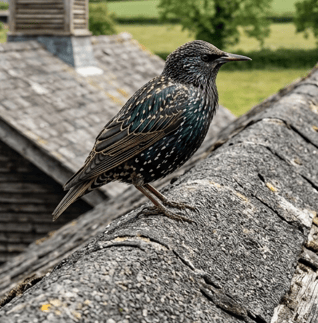
- Take over nesting cavities needed by native bluebirds, woodpeckers, purple martins,
and other cavity-nesting birds.
- Form massive flocks that consume crops and livestock feed.
- Contaminate food and water sources with droppings.
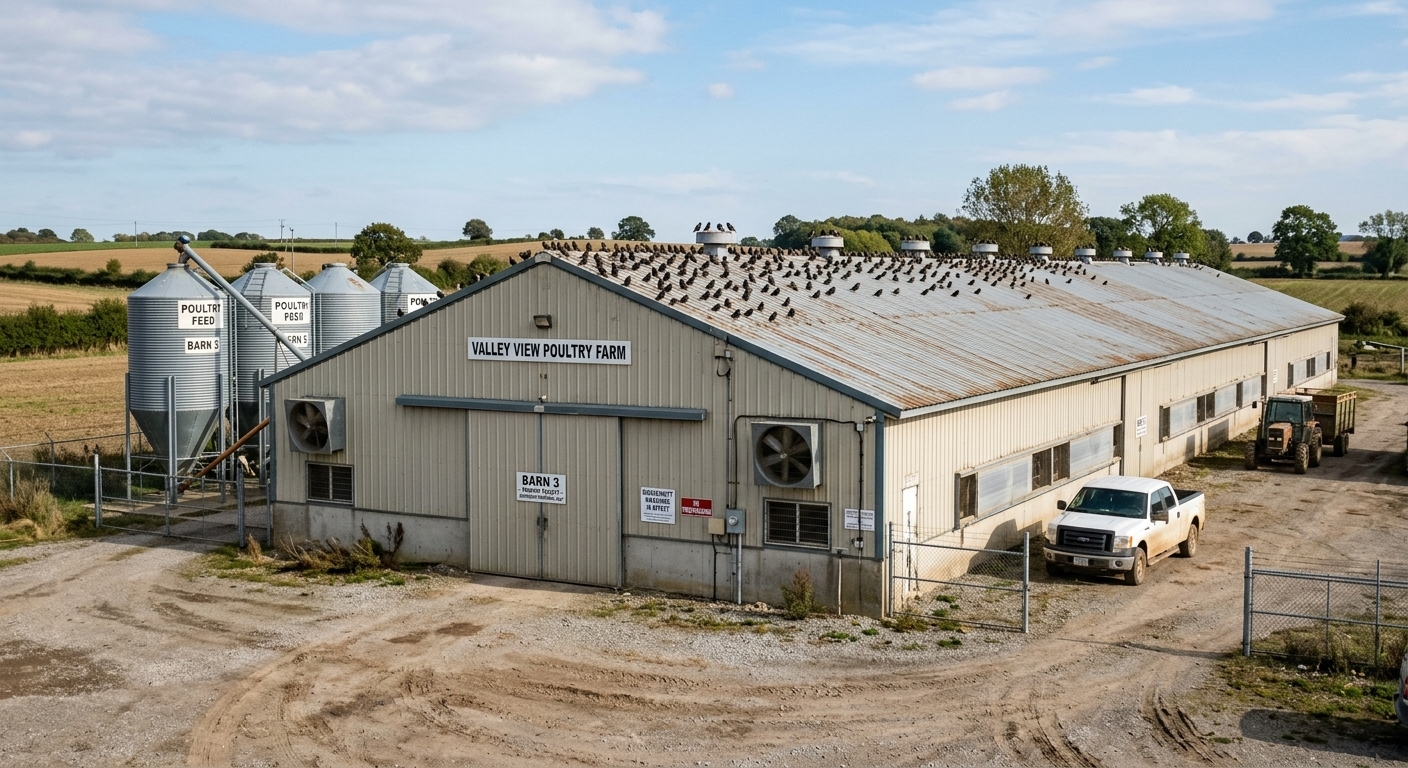
- Damage infrastructure and create sanitation concerns around commercial buildings and agricultural facilities.
Their success comes at the expense of native wildlife that depends on the same habitat.
A Ripple Effect Across the Ecosystem
Every invasive species creates a chain reaction.
Sea lampreys reduce native fish populations.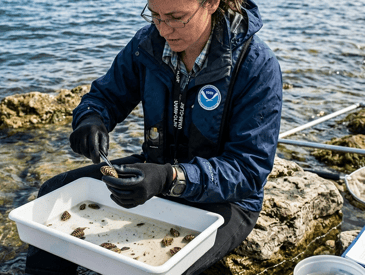
Zebra and quagga mussels alter aquatic food webs and clog municipal and industrial
water systems.
European starlings push native birds out of nesting sites while increasing disease risks around farms, feedlots, warehouses, food processing facilities, and urban environments.
The result is an ecosystem that becomes less balanced and more expensive to maintain.
Communities often end up paying the price through infrastructure repairs, agricultural losses, environmental restoration, and long-term management programs.
Prevention Is More Effective Than Recovery
One of the biggest lessons from the Great Lakes is that once an invasive species becomes established, eradication is incredibly difficult.
Instead, success often comes from reducing populations, protecting sensitive areas, and preventing further spread.
That same philosophy applies to bird management.
Allowing invasive birds to establish large roosts or nesting colonies makes future control significantly more difficult. Early intervention helps reduce damage before populations grow large enough to impact businesses, public infrastructure, agriculture, and native wildlife.
Protecting Wildlife Means Managing Wildlife
Conservation isn't simply about protecting every animal equally. It's about protecting healthy ecosystems.
In many cases, that means actively managing invasive species so native plants and animals have the opportunity to thrive.
Michigan's investment in innovative solutions for aquatic invasive species demonstrates an important principle: protecting ecosystems requires both scientific innovation and proactive management.
Whether the challenge is beneath the surface of the Great Lakes or perched on the roof of a commercial building, invasive species deserve attention before they become a much larger, and much more expensive problem.
As researchers continue searching for better ways to manage invasive fish and mussels, communities should remember that invasive birds present many of the same ecological challenges. Recognizing these threats early and implementing responsible management strategies can help preserve biodiversity, protect infrastructure, and maintain healthier ecosystems for future generations.