
Poultry Farms
Bird Flu
Avian Influenza
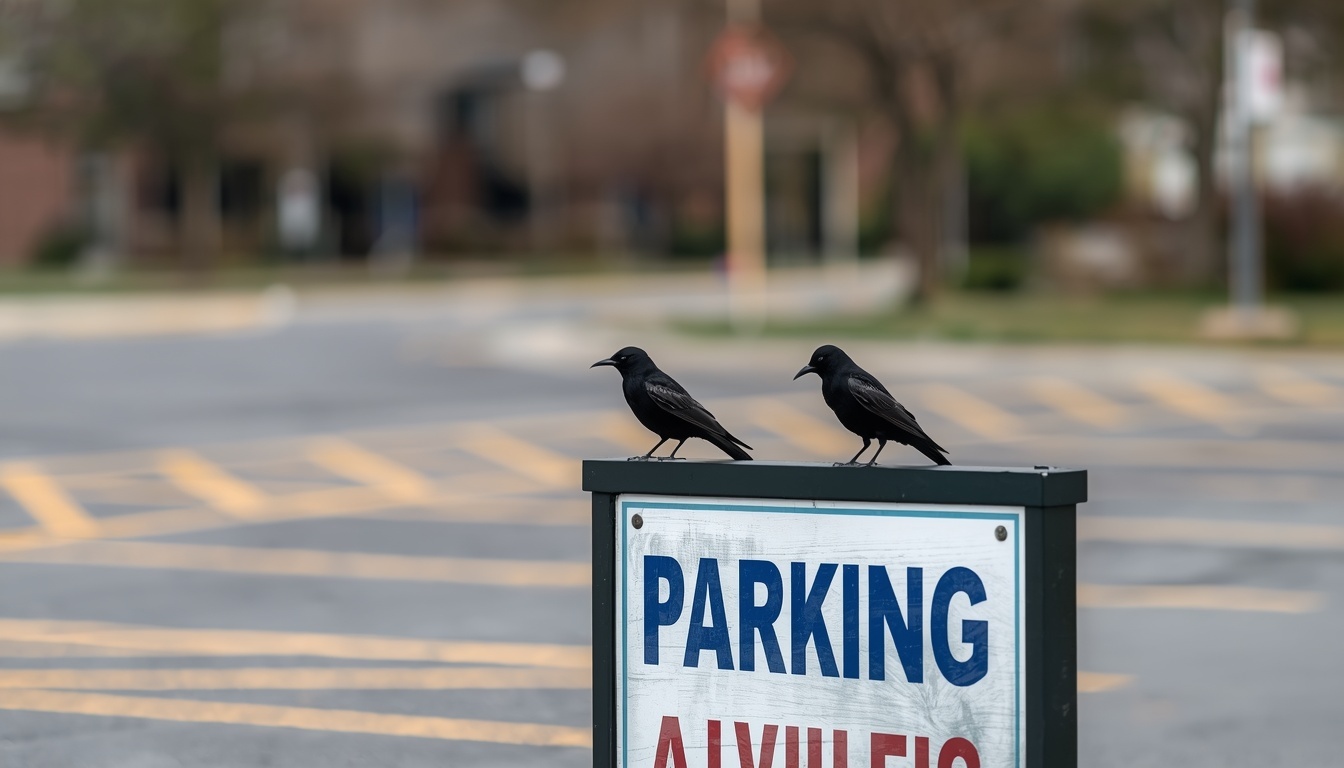

For years, many businesses viewed bird control as a cosmetic issue. Birds made a mess, created noise, and left droppings on buildings. The solution was simple: clean up the mess or scare the birds away.
That mindset is changing rapidly.
As Highly Pathogenic Avian Influenza (H5N1) continues to circulate in wild bird populations across the United States, the USDA has expanded surveillance efforts to better monitor migratory birds, commercial poultry flocks, and potential disease transmission pathways. While the average consumer may only hear about bird flu during outbreaks, agricultural producers, food manufacturers, and commercial facilities are paying much closer attention.
For pest management professionals, this shift presents one of the biggest opportunities the bird control industry has seen in years.
The conversation is no longer just about nuisance birds.
It's about biosecurity.
Wild birds are a natural reservoir for avian influenza viruses. Many species can carry the virus during migration, introducing it to new areas as they travel across North America. Because of this, the USDA continues to monitor wild bird populations, test commercial poultry flocks, and encourage rapid reporting of sick or dead birds.
The goal is simple: identify outbreaks early and reduce the chances of the virus spreading into commercial operations.
For poultry producers, an outbreak can mean devastating financial losses. Entire flocks may need to be depopulated, production can halt, and facilities often face extensive cleaning, disinfection, and recovery costs.
That reality has many businesses asking a new question:
"How do we keep wild birds away from our facility before they become a problem?"
Bird control has traditionally been reactive.
A customer notices pigeons on the roof.
Starlings begin nesting inside a warehouse.
Blackbirds consume livestock feed.
Only then does the phone ring.
Today, more facility managers are looking for preventative solutions.
They understand that allowing pest birds to roost, nest, or feed around their property doesn't just create sanitation issues, it can increase operational risks.
This creates an opportunity for PMPs to shift the conversation from bird removal to bird prevention.
Instead of selling a one-time service, you're helping protect an entire operation.
Several industries have become especially focused on keeping wild birds away from their facilities.
Biosecurity has always been a priority, but H5N1 has made exclusion even more important. Preventing wild birds from accessing poultry houses, feed, and water sources is one layer of a comprehensive disease prevention program.
Open grain, spilled feed, and large storage areas naturally attract starlings, pigeons, and blackbirds. Birds feeding around these facilities can contaminate feed with droppings while also creating sanitation concerns.
Many dairies continue investing in bird management because birds consume expensive feed, contaminate feed bunks, and create health concerns for livestock. Effective bird control helps reduce feed loss and supports overall herd management.
Egg producers rely heavily on strong biosecurity practices. Limiting bird activity around production areas helps reduce contamination risks and supports cleaner operations.
Any facility handling food ingredients has an interest in reducing bird activity around loading docks, rooftops, dumpsters, and ventilation systems. Prevention helps protect products, maintain sanitation standards, and reduce costly cleanup.
One of the biggest changes happening in bird control is how customers think about the service.
Five years ago, your proposal may have focused on:
Today, those issues still matter, but they're no longer the only concerns.
Many facility managers are also thinking about:
When you position bird control as part of a facility's overall biosecurity strategy, you're speaking the language many decision-makers are already using.
Every bird inspection should go beyond simply counting birds.
Ask yourself:
These questions help shift the inspection from identifying a nuisance to evaluating risk.
The most successful bird control programs rarely begin after a major infestation.
They begin before one develops.
Helping customers reduce attractants, improve exclusion, and implement long-term bird management plans often provides better results than waiting until thousands of birds have already established a roost.
That's especially true for agricultural and food-related facilities, where downtime and contamination can carry significant costs.
As the USDA continues monitoring H5N1 and commercial facilities place greater emphasis on biosecurity, pest management professionals have an opportunity to elevate the value of bird control.
You're no longer just removing nuisance birds.
You're helping protect food supplies.
You're helping reduce contamination risks.
You're helping customers strengthen their biosecurity programs.
Businesses are becoming more proactive, and those who position themselves as trusted bird management experts will be well positioned to build stronger client relationships and grow recurring service opportunities.
The next time you talk with a poultry producer, dairy operator, feed mill manager, or food processing facility, don't just ask if they have a bird problem.
Ask them how they're protecting their operation from the risks birds can bring.
