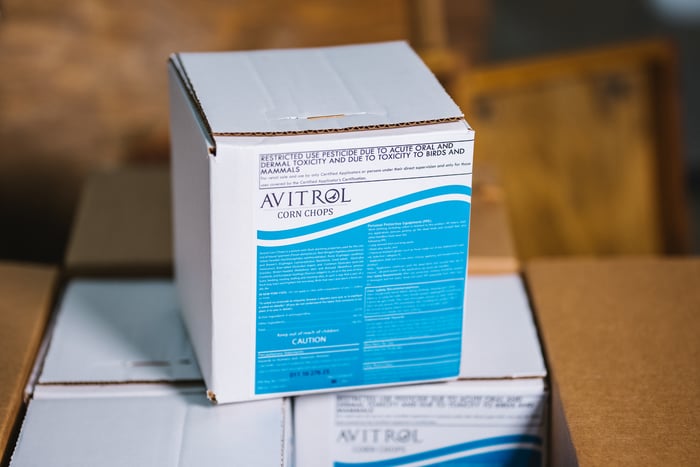
011- Avitrol Medium Corn Chops EPA REG 11649-6 - QUOTE
Looking to repel pest birds? Look no further than Avitrol's Active Corn Chops. Corn ground to a medium gives the taste of corn but little enough for smaller species such as sparrows ingest.
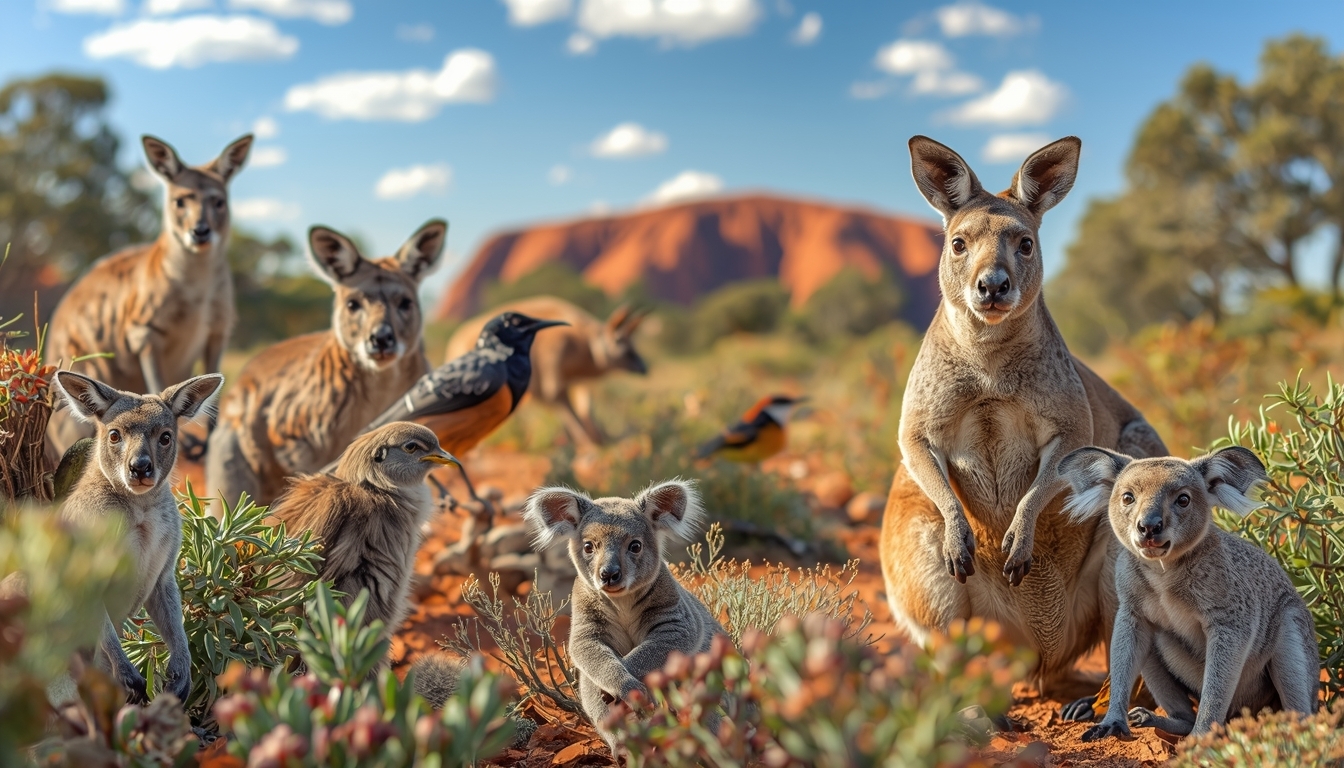

South Australia is stepping up efforts to protect its most vulnerable native species as the threat of H5 bird flu continues to grow. Through targeted habitat improvements and threat reduction, these actions aim to give wildlife the best possible chance to withstand potential outbreaks-now and into the future.
An additional $1.5 million in funding is being invested to reduce pressure on ecosystems that support seabirds, shorebirds, and marine mammals. The focus is on restoring and protecting habitats that are critical to species survival, including:
Ramsar-listed wetlands
Offshore islands
Key coastal and marine wildlife sites
By improving habitat quality, these projects help build stronger, more resilient populations that are better equipped to cope with disease threats like H5 bird flu.
A major component of this effort involves controlling invasive and feral species that place extra stress on native wildlife. This includes management of:
Feral cats
Foxes
Invasive pigs
Reducing these threats helps protect nesting sites, food sources, and breeding success-especially for species already under pressure.
These actions directly support some of South Australia’s most iconic and vulnerable species, including:
Australian sea lions
Fairy terns
Pelicans
Healthier habitats mean these species are better positioned to survive both immediate disease risks and long-term environmental challenges.
Funded projects currently underway include:
Habitat restoration and feral bird control on offshore islands of the Fleurieu Peninsula
Predator control and habitat restoration along the Limestone Coast
Fox and feral cat control to protect vulnerable bird sites along the metropolitan coastline
Invasive pig control at the Coongie Lakes Ramsar site
Each project targets high-risk areas where intervention can make the biggest difference.
Looking to repel pest birds? Look no further than Avitrol's Active Corn Chops. Corn ground to a medium gives the taste of corn but little enough for smaller species such as sparrows ingest.
This work in South Australia is part of a broader $100 million Australian Government investment focused on H5 bird flu preparedness, including $35.9 million dedicated to environmental measures.
Additional funding supporting South Australia includes:
$1.2 million to strengthen Australian sea lion resilience
$300,000 for species and site planning
$130,000 to protect captive populations of threatened species
While these efforts address immediate risks posed by H5 bird flu, their impact goes far beyond disease prevention. By restoring habitats and reducing threats, these projects deliver long-term conservation benefits that will protect South Australia’s native species for years to come.
Fill out the form below, and we'll create a tailored bird control strategy just for you—at no cost! Don’t wait; take control of your property now!