
Understanding Poultry Litter and Its Environmental Impact 🧪
Poultry litter - a mix of manure, bedding material, feathers, and spilled feed - has long been used as fertilizer across agricultural regions. When applied responsibly, it can improve soil fertility and crop productivity.
However, long-term overapplication can create serious environmental concerns. Poultry waste contains high levels of nutrients like phosphorus and nitrogen. Over time, these nutrients can build up in the soil and eventually wash into nearby waterways during rainfall events.
This runoff can contribute to:
- Harmful algal blooms
- Reduced oxygen levels in lakes and rivers
- Fish and wildlife losses
- Increased costs for drinking water treatment
These impacts often develop gradually over decades, making early management and oversight critical.
Soil Health and Sustainability Challenges
While poultry litter can initially enhance agricultural productivity, excessive or poorly managed use can disrupt soil chemistry in the long run. Nutrient imbalances can limit crop performance, reduce beneficial microbial activity, and even make land harder to farm sustainably.
In some cases, salt accumulation and phosphorus saturation can lead to diminished soil quality - creating challenges for future generations of producers.
Air Quality and Rural Community Concerns
Environmental risks tied to poultry waste are not limited to land and water. Large volumes of stored or spread litter can release ammonia and other gases that affect air quality. Over time, this can contribute to odor complaints, respiratory irritation, and quality-of-life concerns for rural residents and farmworkers.
Proper storage, timing of application, and improved waste treatment technologies are often cited as key strategies to reduce these impacts.
The Court’s Cleanup Plan and Regulatory Shift
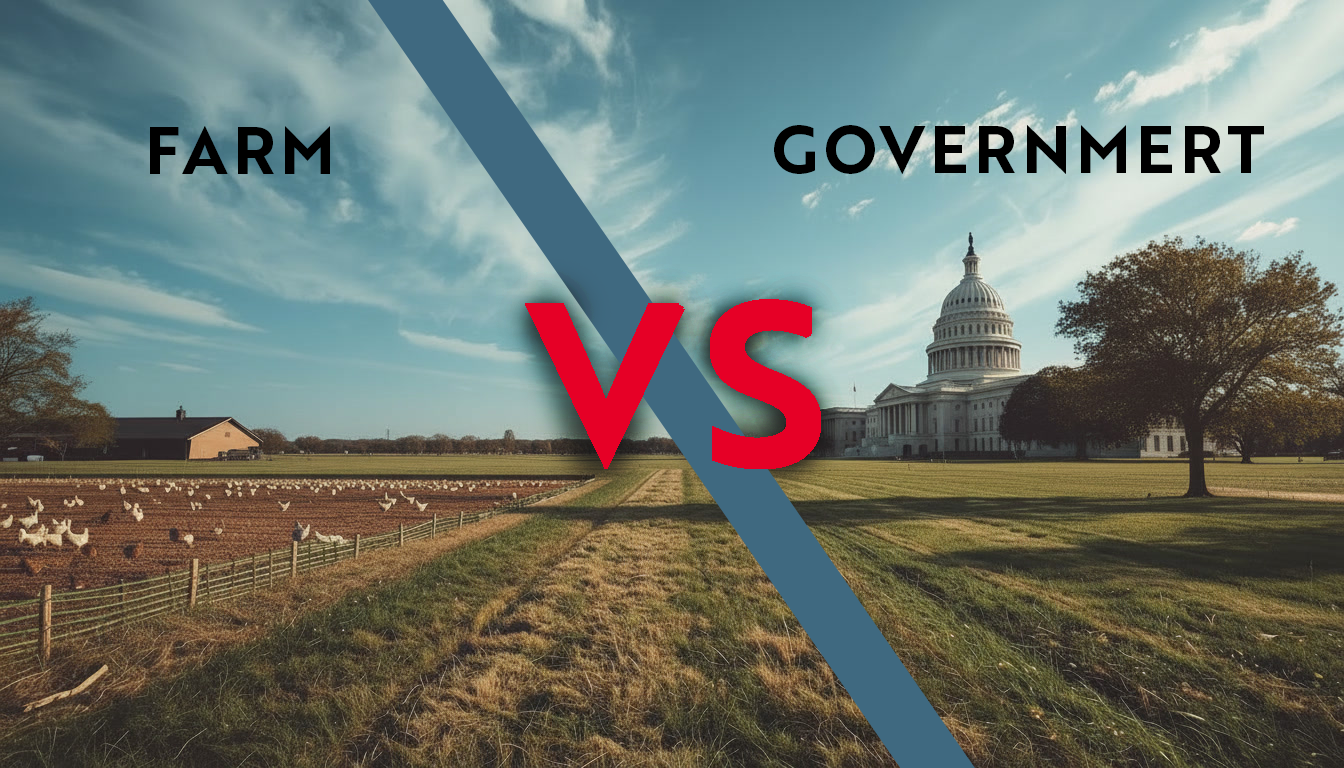
The court adopted a proposal supported by Attorney General Gentner Drummond that requires poultry companies to fund decades of environmental remediation and comply with stricter oversight - including management changes tied to how poultry litter is used.
Supporters of the ruling argue it is necessary to protect waterways and ensure long-term environmental sustainability. They believe stronger accountability measures are essential after years of nutrient buildup in sensitive watersheds.
Governor Stitt’s Position: Protect Water and Protect Farmers 🤝
Governor Stitt has strongly criticized the judgment, warning it could strip farmers of property rights and eliminate an important income source tied to selling poultry litter as fertilizer.
However, his position is not framed as opposing environmental protection. Instead, he has repeatedly called for a balanced solution - one that safeguards Oklahoma’s natural resources while preserving the economic stability of family farms and the broader agricultural supply chain.
He has urged negotiations and a potential pause in the ruling to allow stakeholders - including agriculture and environmental leaders - to work toward a settlement that addresses pollution concerns without imposing what he views as unworkable long-term mandates.
The Bigger Agricultural and Environmental Picture 🧭
This case highlights a larger challenge facing modern agriculture: how to maintain strong food production while preventing environmental degradation that may only become visible years later.
Better nutrient management, innovation in waste treatment, and cooperative policy solutions may be key to bridging the divide. For Oklahoma, the outcome could shape not only poultry operations but also the future relationship between agriculture, environmental stewardship, and rural economic growth.
Finding that balance - protecting clean water while ensuring farmers can remain productive and profitable - remains at the heart of the debate.