Poultry Farms
Bird Flu
Avian Influenza

Across the United States, pest bird pressure is increasing at a time when agriculture is already facing rising operational costs, disease concerns, and biosecurity challenges.
Over the last month alone, multiple counties across the country have experienced significant bird-related impacts tied to avian influenza outbreaks, migratory bird activity, and expanding nuisance bird populations. While headlines often focus on disease detection, the larger issue is the growing strain pest birds place on agricultural operations every season.
From poultry facilities and dairies to feed storage and crop production, birds are becoming a larger operational risk that producers can no longer afford to ignore.

Wicomico County has emerged as one of the most heavily impacted agricultural regions this season following a major commercial poultry outbreak of Highly Pathogenic Avian Influenza (HPAI).
The outbreak triggered quarantines and large-scale response measures, highlighting how quickly disease pressure can escalate when migratory birds intersect with commercial agriculture. For poultry producers, even a single outbreak can result in devastating financial losses, production interruptions, and long-term operational consequences.
This region continues to represent one of the highest-risk poultry and wild bird conflict zones on the East Coast.
Yakima County continues to face elevated bird pressure tied to spring migration activity and repeated avian influenza detections in domestic and backyard flocks.
For agricultural producers, migratory birds create a difficult challenge because they move across large geographic areas and interact with water sources, feed areas, barns, and open agricultural land. Increased migratory movement often raises contamination risks for both commercial operations and smaller rural facilities.
Wildlife officials throughout the region continue monitoring bird movement closely as producers remain on alert.
Skagit County has also experienced heightened concern tied to migratory bird concentrations and waterfowl-heavy agricultural zones.
Large gatherings of birds near farms increase concerns surrounding disease transfer,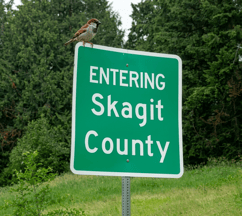 feed contamination, and sanitation issues. Areas with standing water, grain storage, and livestock operations often become attractive environments for nuisance birds during migration seasons.
Agricultural operations in the region continue increasing surveillance and prevention efforts as bird populations fluctuate throughout the spring.
Federal monitoring recently identified multiple H5N1-positive wild birds and pigeons in Ionia County, creating additional concern because of the overlap between pest birds, dairies, and agricultural infrastructure.

Pigeons and other nuisance birds are frequently underestimated in agriculture, yet they
can contaminate feed, damage facilities, spread bacteria, and create ongoing sanitation costs. Large bird populations around barns and feed systems can quickly become both an economic and biosecurity issue.
The situation in Ionia County reinforces how bird pressure affects far more than poultry alone.
While Queens County may seem disconnected from agriculture, its dense live bird market system and extreme urban bird pressure highlight another growing concern: the movement of birds through transportation, distribution, and food supply systems.
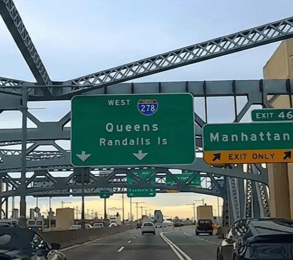
Urban bird populations can influence disease monitoring, contamination concerns, and
regulatory attention that ultimately impact broader agricultural markets nationwide.
Queens remains one of the country’s densest urban wildlife conflict zones, particularly involving pigeons, gulls, and live poultry movement.
Bird-related challenges are no longer isolated incidents. They are becoming a nationwide operational issue affecting poultry producers, dairies, grain storage facilities, food processing operations, and agricultural infrastructure.
The financial impact can include:
As migratory patterns shift and bird populations continue adapting to agricultural environments, prevention is becoming more important than reaction.
For producers and facility managers, proactive bird management is no longer optional. It is increasingly part of protecting operational continuity, biosecurity, and long-term profitability.
The counties making headlines today may simply be an early warning sign of what more agricultural regions could face in the seasons ahead.