Bird spikes are one of the most commonly used bird deterrents on public buildings. But in many cases, they fail to solve the actual problem.
Government facilities often have large rooflines, complex architecture, and multiple access points that make traditional spike systems far less effective than people expect.
And unfortunately, many facility managers don’t realize the system failed until birds have already returned, nested, or caused damage again.
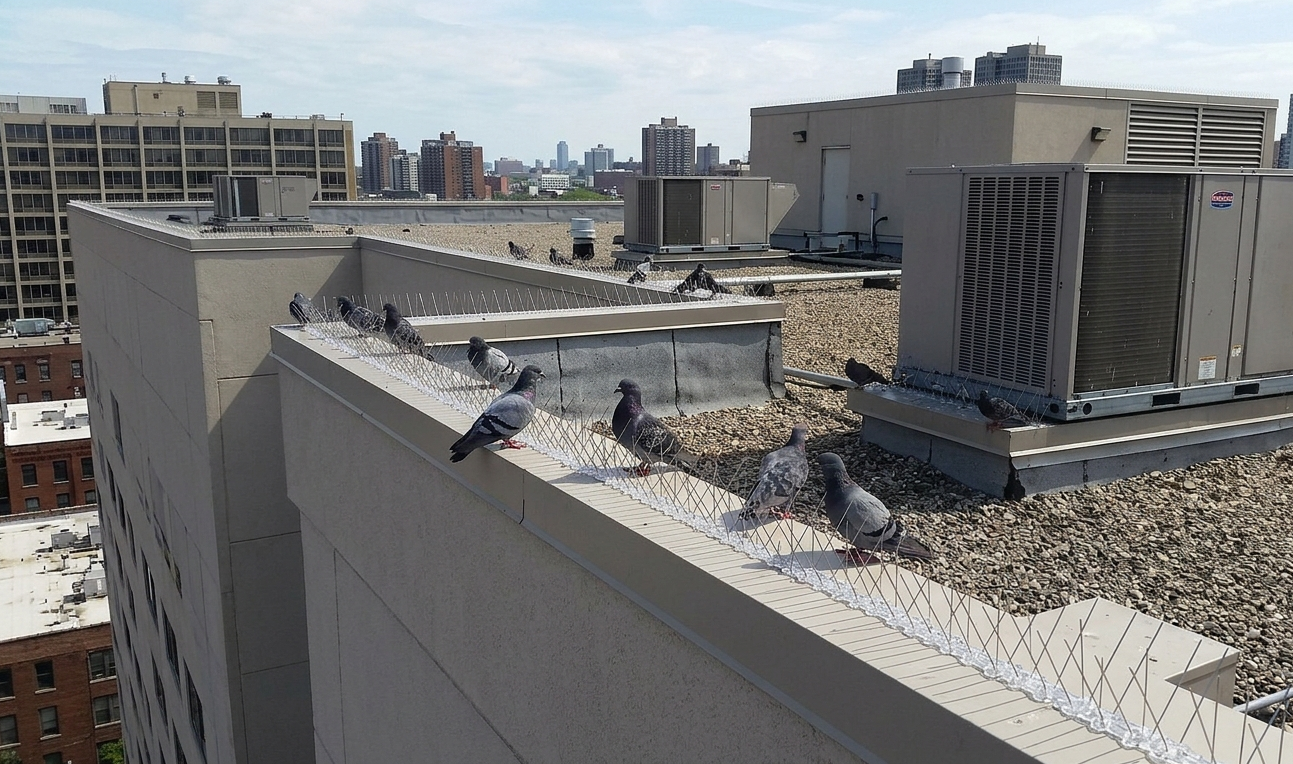
Large Buildings Create Too Many Landing Areas
Most government buildings are not small structures with a few ledges.
They have:

- extended rooflines,
- HVAC platforms,
- lighting structures,
- parapet walls,
- mechanical equipment,
- signage,
- covered entrances,
- loading areas,
- parking structures.
Bird spikes only work when they completely eliminate a landing opportunity. On large public facilities, that becomes difficult because birds simply relocate a few feet away to another unprotected surface.
If even one area is left exposed, birds will often adapt quickly and continue using the building.
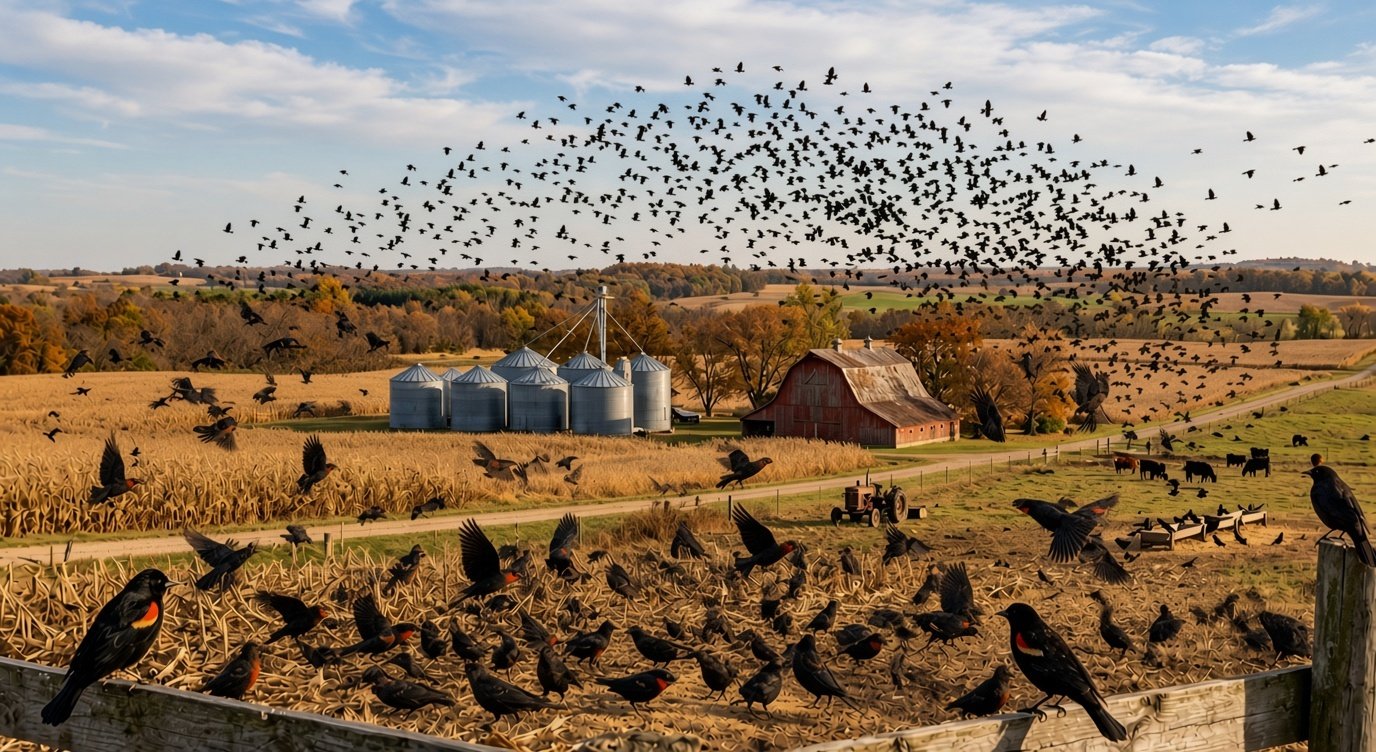
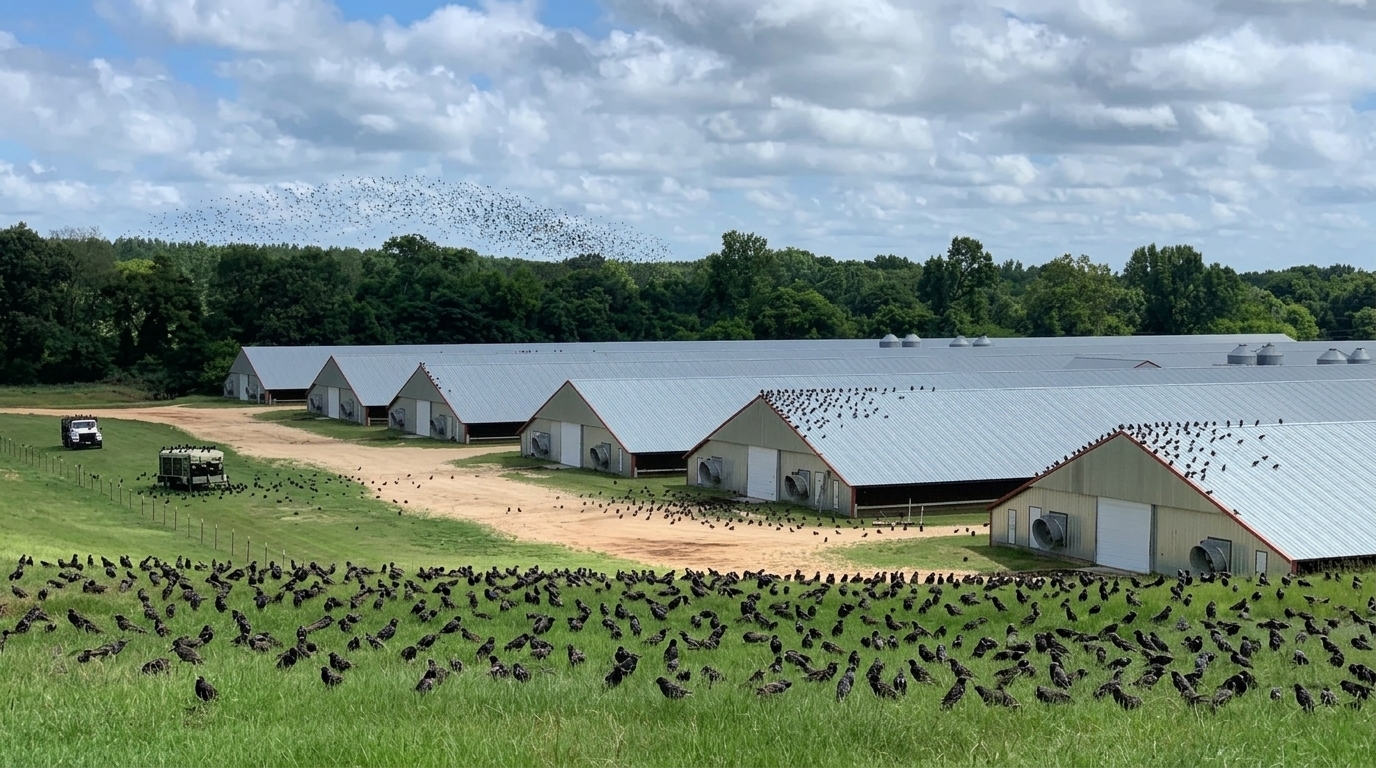
Birds Adapt Faster Than Most People Realize
Pest birds are extremely adaptable.
Pigeons, sparrows, and starlings quickly learn:
- where spikes are weak,
- where installation gaps exist,
- which ledges still provide shelter,
- and where human activity is limited.
In some cases, birds will even compress themselves between poorly spaced spikes or begin nesting directly around them.
Once birds establish a consistent roosting pattern on a government facility, partial deterrent systems rarely solve the issue long term.
Improper Installation Is Extremely Common
One of the biggest reasons bird spikes fail is improper installation.
This happens frequently on large public buildings because:
- installers may not understand bird behavior,
- spikes are placed too far apart,
- incorrect spike types are used,
- corners and transitions are missed,
- adhesive systems fail over time,
- surfaces are not prepared correctly.
Even small installation mistakes can create enough space for birds to continue landing and nesting.
On larger facilities, those mistakes multiply quickly.
Maintenance Is Often Overlooked
Bird spike systems are not “install it and forget it” solutions.
Over time:
- debris builds up,
- spikes loosen,
- adhesive deteriorates,
- weather damages materials,
- birds bend or displace sections.
Government facilities that lack regular rooftop inspections may not notice these failures until bird activity becomes severe again.
This is especially common on older municipal buildings where roof access is infrequent.
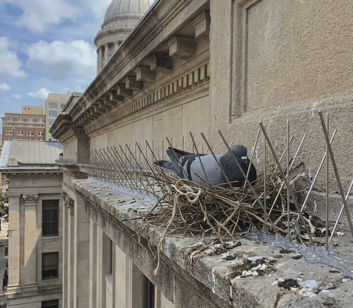
Birds Sometimes Nest Inside the Spikes
One of the more surprising problems is that birds will sometimes use spikes as part of the nesting structure itself.
Small birds, especially sparrows, can weave nesting materials directly between spike rows.
Once nesting begins:
- debris accumulates,
- drainage problems increase,
- fire hazards become possible,
- sanitation concerns grow,
- and the deterrent system becomes ineffective.
At that point, the spikes are no longer preventing bird activity, they are supporting it.
Effective Bird Control Requires More Than One Product
The reality is that large government buildings usually require a complete bird management strategy, not just a single deterrent product.
Successful long-term programs often involve:
- exclusion work,
- habitat reduction,
- sanitation improvements,
- routine inspections,
- maintenance programs,
- and species-specific solutions.
Bird spikes can still play an important role, but they are rarely a complete solution by themselves on large public facilities.
And as many facility managers have already discovered, installing spikes without addressing the overall environment often leads to the same problem returning again.